
Introduction
Exterior paint protects your home from UV, rain, salty air and Melbourne’s sudden temperature swings. When it starts to fail, the walls underneath take the damage. Fading, chalking, peeling and mould are all early warning signs, and each one lets a little more moisture in.
This guide covers seven exterior paint warning signs, how urgent each one is and what to do next, so you can decide whether it’s time to repaint house exterior surfaces or whether a repair will do.
Seven signs your home needs fresh paint
1. The colour has faded or gone patchy
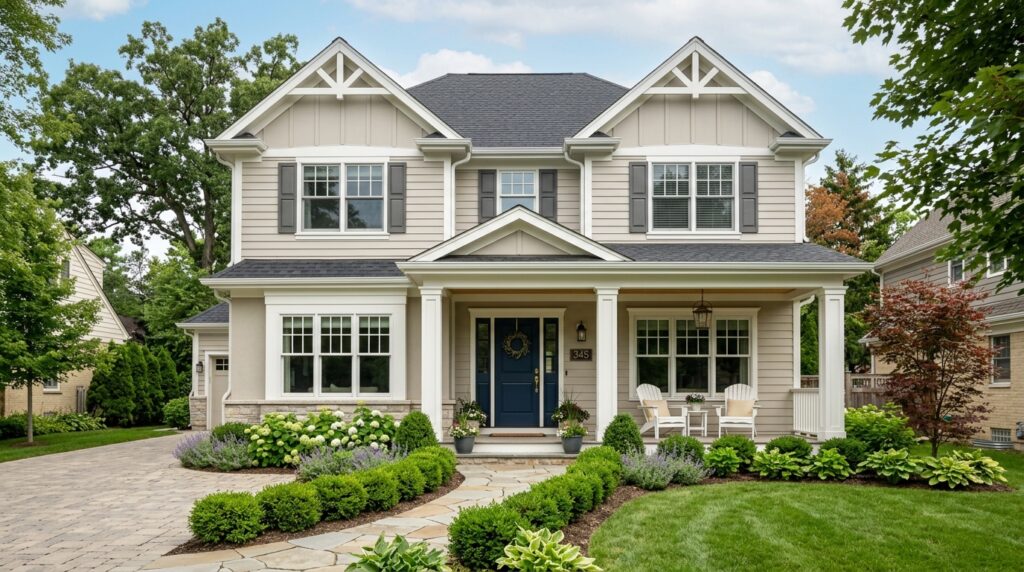
Ultraviolet light slowly breaks down pigment, so walls facing north and west usually fade first. You might notice one side of the house looking duller than the rest, or dark colours turning a washed-out grey. Compare a sheltered spot, such as under the eaves, with an exposed wall. A clear difference shows how much colour the sun has taken. Fading alone is low urgency because the coating is thinning but usually still protecting the surface. Treat it as an early warning and start planning.
2. Chalky powder rubs off on your hand
Run your palm over a sunny wall. If it comes away dusty, the binder in the paint has broken down and can no longer hold the pigment in place. Chalking is common on older render and masonry, and you may also see pale streaks on the ground below after rain. New paint won’t grip a powdery surface, so the wall needs a thorough wash and the right primer first.
3. Paint is peeling, flaking or bubbling
Peeling around window frames, fascias and weatherboard joins usually means moisture is getting behind the coating. Bubbles tell you water or heat has pushed the paint off the surface. This one is high priority, because once the film breaks, water reaches the timber or render underneath. Loose paint has to be scraped back to a sound edge, and if the same spot keeps flaking, find the moisture source first or the new paint will fail in the same place.
4. Cracks and tired sealant
Fine, web-like cracking in render and gaps where sealant has shrunk around windows, doors and trims all let water in. Press along the sealant lines. If the material feels hard, brittle or has pulled away from the frame, it is no longer doing its job. Hairline cracks can usually be filled and painted over. Wider cracks that keep reopening can point to movement in the wall, so have them checked before anything is covered up.
5. Mould, mildew or algae keeps coming back
Dark or greenish patches on shaded southern walls, under eaves and near downpipes mean moisture is lingering on the surface. Light growth washes off, but it has to be treated rather than painted over, or it will grow straight through the new coat. If the growth returns within a few months of cleaning, the paint film has likely lost its resistance. Persistent mould is a good reason to repaint house exterior walls properly, with cleaning and treatment done first.
6. Timber looks bare or soft, or metal is rusting
Weatherboards, fascias and window frames with bare patches have lost their protection and soak up moisture fast. Press a screwdriver gently into suspect timber. If it sinks in, there may be rot that needs repairing. Rust on gutters or metal trims will bleed through fresh paint unless it’s treated first. These surfaces are high urgency because the damage has moved from the paint to the building itself.
7. Stains, streaks or white crusty deposits
Water streaks below windows, damp-looking patches and white, crusty salts on brick or render (called efflorescence) show that moisture is moving through the wall. Paint can’t fix a damp problem. Sort out the cause, such as a leaking gutter or blocked drain, before you commit to a repaint. Otherwise the stains and salts will return and push the new paint off the wall.
How urgent is each sign?
| Sign | Urgency | Sensible next step |
| Fading | Low | Monitor and plan a repaint |
| Chalking | Medium | Wash and prime before repainting |
| Peeling or bubbling | High | Scrape, find the moisture source, then repaint |
| Cracks and tired sealant | Medium to high | Fill or reseal, then repaint |
| Mould or algae | Medium | Treat and wash, then repaint |
| Bare timber or rust | High | Repair or treat, prime and repaint soon |
| Stains or efflorescence | High | Fix the cause of the damp first |
What happens if you ignore the warning signs
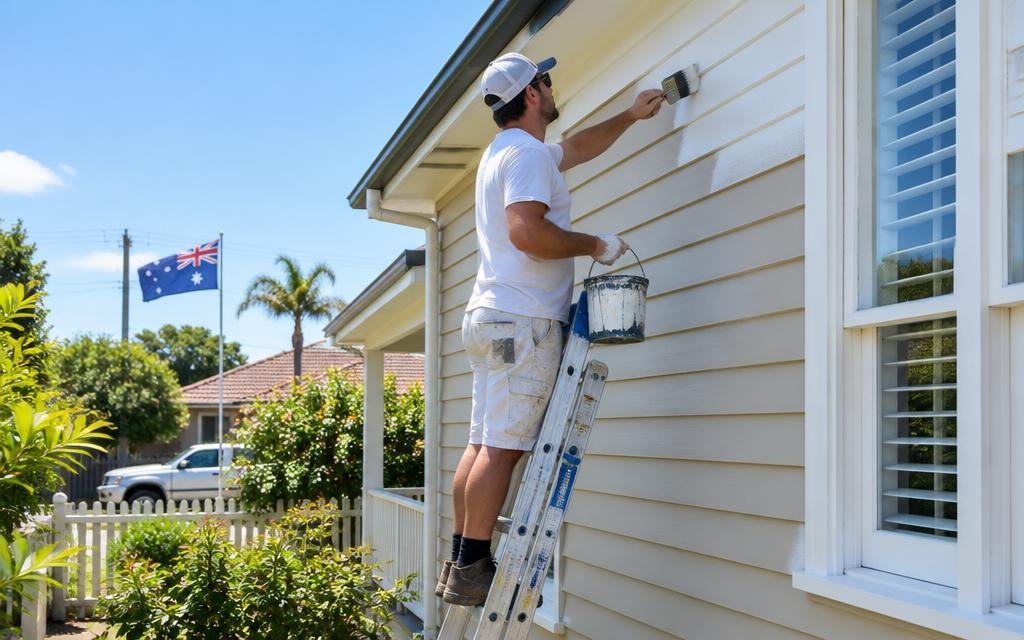
Exterior paint problems rarely stay cosmetic. A small flaking patch lets water into the timber, and wet timber swells, softens and eventually rots. Cracked render absorbs moisture, which can lead to damp inside the walls and bubbling on interior paint. Rusted trims and gutters weaken and may need replacing rather than repainting. Each of these repairs costs more than a repaint done at the right time, so acting on the first signs usually protects both your home and your budget.
When looks matter more than damage
Sometimes the paint is perfectly sound but the scheme feels dated. A renovation, a new roof or an upcoming sale can all be good reasons to repaint house exterior surfaces even without visible failure. If you can’t settle on colours, a colour consultation is a sensible way to avoid second-guessing once the scaffolding is up.
What a proper repaint involves
Most of a lasting repaint is preparation: cleaning the walls, scraping loose paint, repairing timber and cracks, replacing failed sealant and priming before the topcoats go on. Older homes need extra care, as lead-based paint can sit under newer coats, particularly in houses built before the 1970s, so check official health guidance before scraping or sanding. If your property is in a heritage overlay, ask your local council whether a permit is needed before you change colours.
DIY or professional?
A small, ground-level job such as a fence or a single wall can suit a confident DIYer. Two-storey homes, mixed surfaces, heavy preparation or awkward access are better left to a professional, as falls from ladders cause serious injuries and poor preparation is the most common reason DIY paint jobs fail. If you decide to hire, read our guide to choosing exterior painting contractors to know what to look for.
Before you call a painter
Take daylight photos of each problem area and note roughly when the house was last painted. Check your gutters and downpipes for leaks that could be feeding damp walls.
Frequently asked questions
How often should you repaint a house exterior in Melbourne?
Seven to ten years is a common range, but it varies with sun exposure, the surface and how well the last job was prepared. Judge by condition, such as fading, chalking or peeling, rather than the calendar alone.
How can I tell if my exterior paint is failing?
Walk around the house in daylight and check each wall for fading, powdery residue, flaking, cracks and dark patches. Pay extra attention to window frames, fascias and the walls that get the most sun or shade. Photos taken now make it easy to track changes over time.
Can I just touch up the damaged spots?
Touch-ups work when the paint is otherwise sound and the damage is small and isolated. If the problems are widespread, patched areas tend to show up as mismatched blocks of colour and the surrounding paint keeps failing, so a full repaint is the better move.
Can you paint over old exterior paint?
Yes, if the existing coating is sound, clean and firmly attached. Peeling, chalky or mouldy sections need to be scraped, washed and treated first, because new paint over loose material fails quickly.
Can I paint over mould?
No. Mould has to be cleaned and treated first, otherwise it grows through the new paint and the wall looks stained again within months. Painting only works once the surface is clean, dry and sound.
Is water based exterior paint suitable for Australian homes?
In most cases, yes. It suits many weatherboard, render and fibre cement surfaces and cleans up easily with water. The right choice still depends on the existing coating and the manufacturer’s advice for that surface.
How long does an exterior repaint take?
A typical home takes several days to a couple of weeks. The time depends on the size of the house, how much preparation is needed, the number of coats and how often the weather interrupts the work.
Is it worth it to repaint house exterior surfaces before selling?
Often, yes, especially if the paint is faded, peeling or stained. A fresh exterior improves first impressions and signals that the home has been looked after. Weigh up the condition of the house and your timeline before deciding.
Do I need council approval to repaint my house?
Usually not, unless the property is heritage listed or sits within a heritage overlay, where a permit may be required. Check with your local council before you choose colours or start work.
Ready to give your home a fresh start?
If you’ve spotted any of these signs, a professional inspection will tell you whether to repaint house exterior surfaces now or wait. Sam Simon Painters offers free on-site assessments for homeowners across Melbourne, with a written quote that spells out preparation, paint and timing. Request a free quote or call +61 422 013 132 to get started.