Introduction
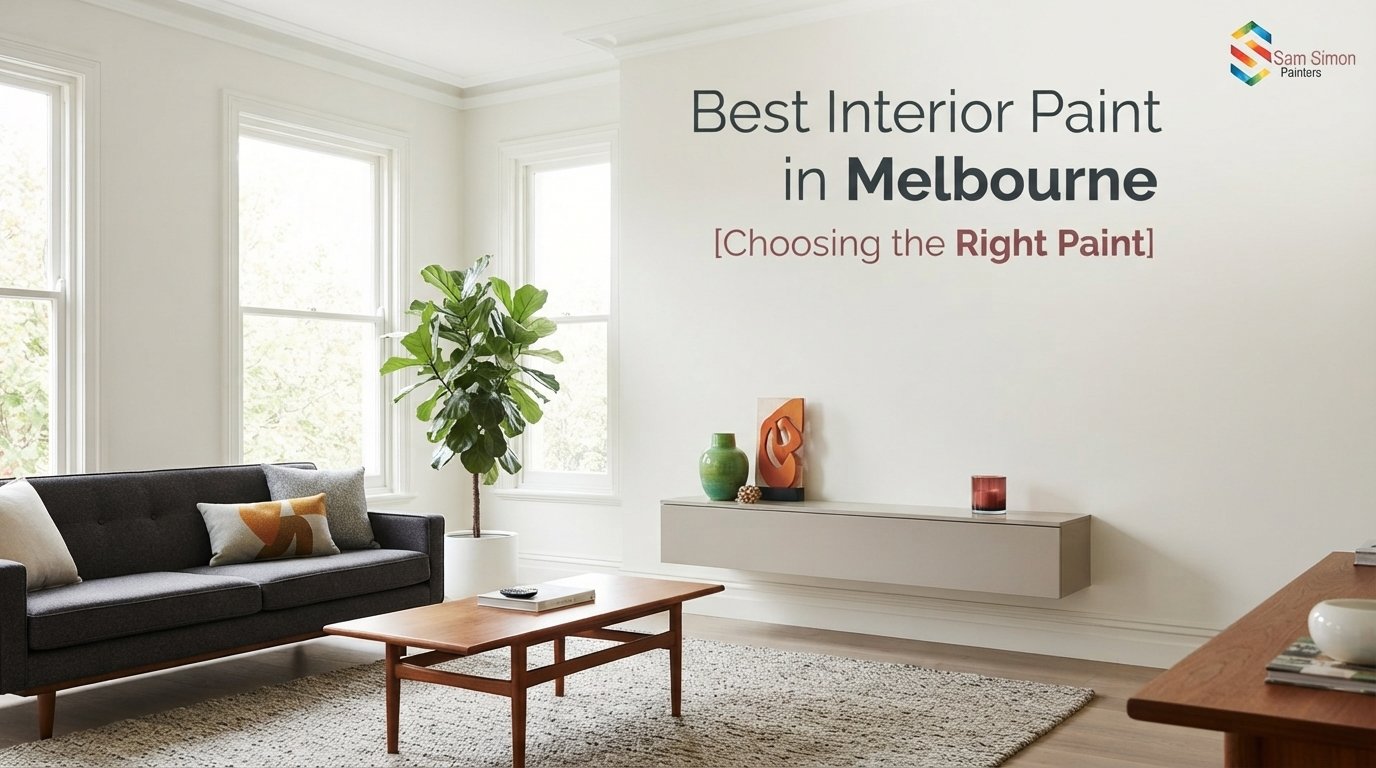
Paint finishes and the amount of wear and tear a wall experiences will vary by room, surface, and painting in Melbourne, therefore the best interior paint to use will differ. No paint will fit all spaces, and the selection of interior paint is not limited to the most costly product on the shelf. Different paint qualities can be required in a family living room, a quiet bedroom, a busy hallway or a bathroom that’s always damp.
Melbourne homeowners need to know what to expect from the quality of interior paint, how the interior paint finishes vary from room to room, the factors that influence interior paint prices and when to use professional painters.
What Is the Best Interior Paint for a Melbourne Home?
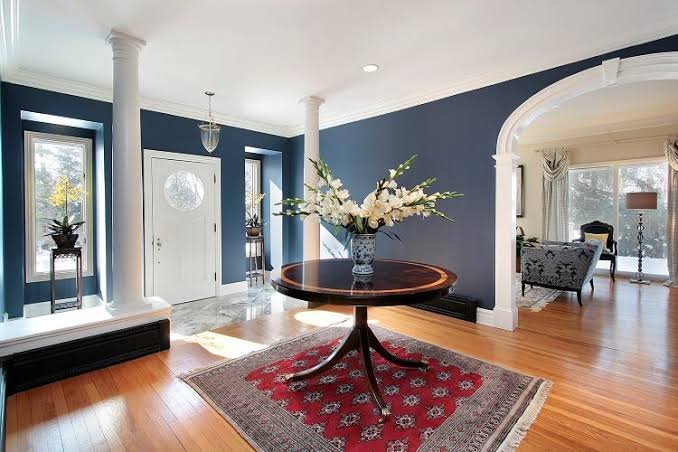
The best interior paint is the one that is right for the room you want to paint, the surface you are painting, the desired style and the amount of cleaning that will be required over time. No one product fits all interior spaces because paint selected for the children’s bedrooms has different requirements than paint selected for the hallways where muddy shoes are dropped and furniture dragged.
Durability, washability, coverage, finish, colour retention and ease of maintenance are all factors to consider when comparing options. Considering these things with the room you’re painting, you should be able to determine the best interior paint for the room most easily.
Best Paint for Interior Walls: Which Finish Should You Choose?
Sometimes, the best interior painting company depends on the sheen level, rather than the brand – the ideal paint for interior walls on one wall may not be an ideal match for another in the same home. The finish can vary in its response to application and the type of finish required is dependent on the use of the room.
| Finish | Suitable Areas | Main Benefit |
| Matt | Bedrooms, low-traffic areas | Hides minor wall imperfections |
| Low sheen | Living rooms, hallways | Balanced appearance and durability |
| Satin | Kitchens and selected high-use areas | Easier cleaning |
| Semi-gloss | Trim and selected wet areas | Durable and washable |
Matt can repair small dents and re-levelling plaster, ideal for character walls in older Melbourne homes. Low sheen is in the middle, presenting a soft look in daylight but a more rugged surface at night. Some of these soft qualities are sacrificed in order to provide a surface that can be wiped clean, which is important when marks are not always welcome. Specific product suitability will still rely on the manufacturer’s recommendations and the state of your walls.
Best Indoor Paint for Different Rooms
The ideal paint for one room isn’t necessarily ideal for another, and the ideal paint for the interior as a whole is actually a series of smaller decisions, one room at a time. The following is a general idea of how the principal components of a house tend to differ.
Living Room:If your home has young children or pets, or you host many visitors, or if the light is natural, you may want a low sheen or washable finish in the Living Room.
Bedrooms: Usually lower traffic, so a softer matt finish works well since heavy cleaning is less frequent.
Kitchen: Lower traffic areas, and a softer matt finish is suitable, because heavy cleaning is not as often.
Kitchen: In this area, the main focus is on cleanability and durability because of the constant use of the space, as well as on the preparation, which is also important as the space is often marked with grease residues.
Bathroom and Laundry:Humidity and condensation are the most important concerns, and products which are intended for such conditions are more suitable than normal wall paint.
Hallways and High-Traffic Areas:These areas are hard on bags, shoes and furniture and a hardy, washable coating can help minimize paint touch-up needs.
Ceilings: Ceiling paint is typically chosen differently than wall paint because ceiling spaces are lit differently and also are not touched as much, so the focus is on a flat, not reflective finish and reducing glare.
Best Interior Paint in Australia: What Should Melbourne Homeowners Consider?
There is no one particular best interior paint in Australia because all conditions are different depending on where it is used, the construction of the house and the room being painted. Seasonal temperature variations (paint curing), daylight variations (colour perception), previously painted homes requiring additional preparation and modern, open plan interiors with high areas of colour in sight all contribute to higher value in Melbourne homes. Not all interior paint products are necessarily the ideal choice for any Australian home. The right answer will always be the room, the surface and the way it’s being used throughout the day.
Painting the Interior of a House: Why Preparation Matters
Preparation is a bigger factor in the interior of a house than the paint itself in the case of painting. No matter how good the paint is, it will have issues if it is not applied properly.
For best results, proper prep usually involves moving or protecting furniture, cleaning surfaces, filling holes and cracks, sanding if necessary, scraping loose or peeling paint, priming problem areas, protecting floors and fixtures, and the number of coats needed. If these steps are not taken, the result will manifest itself at a later stage as patchy colour, visible brush marks or paint that doesn’t adhere properly. No matter how good the product is, high quality paint will not cover up poor preparation.
Repainting House Interior: When Is It Time?
It’s typically time to consider a new interior paint job if you notice a few of these typical symptoms: faded colors, scuff marks that won’t wipe down, peeling or flaking paint, stains, cracks, patchy previous repairs, or old colors or just wear and tear from daily use.
Repainting is also a viable option for a room with an update only without a complete renovation. A fresh coat can make a huge difference without changing the layout of a room or its fixtures, and a good interior paint can make the difference in the room.
How Much Does Interior Paint Cost in Melbourne?
Interior paint cost in Melbourne do not come in at a standard price per room but varies depending on a number of factors such as number of rooms, total wall and ceiling area to be painted, level of surface preparation required, condition of existing paint, number of coats, paint quality, if doors and trims are to be painted or not, labour required and access requirements. These can change from house to house so it’s not feasible to give a fixed amount without viewing the job. When comparing quotes, homeowners should look at the actual written quote as two quotes for the “same job” can encompass varying quantities of preparation and coats.
Can You Get Affordable Interior Painting Without Cutting Corners?
Low-cost interior painting isn’t synonymous with low cost painting. When people want something that will be effective for painting, but they don’t want to pay extra for it, they are looking for affordable painting solutions. Low cost painting can cut out preparation, paints or materials just to get a cheaper quote but with the cost of repairs being higher and later.
Some of the practical solutions to cost management without sacrificing quality involve painting certain rooms instead of the entire house, selecting colours carefully to prevent changing your mind, doing some preparation work before the painters arrive, requesting a written quote, comparing the actual contents of each quote, and lastly, not hiring a painter because of his/her price. Planning and scope are the two ways to save money on interior painting projects.
Frequently Asked Questions
1. What is the best interior paint for a Melbourne home?
The type of interior paint ideal for any room will depend on the surface, the intended look for the interior, the durability level, and how often the interior will be cleaned. But no one product is the perfect solution for every room so it is best to select based on the specific room.
2. What is the best paint for interior walls?
Satin or semi-gloss finishes are also washable and durable, which can be beneficial in high-traffic areas like hallways and kitchens. The softer finishes, like matt, may be appropriate in spaces like bedrooms that don’t get used as much and where marks are seen less frequently.
3. What is the best indoor paint for living rooms?
Living rooms have a tendency to look great in a low sheen or washable finish, especially for hectic homes. The right one will rely on the amount of foot traffic in the area, ambient lighting, and how you want the area to look.
4. What is the best interior paint in Australia?
Choosing the most suitable paint for a particular room is not simply a matter of picking one product labelled as being the best for all rooms; it is a matter of considering the specific conditions of the room, the type of surface, local climate and recommendations by the manufacturer.
5. How much does interior painting cost in Melbourne?
Room size, surface preparation, number of coats, paint quality, ceilings and trims, and labour are factors that affect interior paint cost. Use scope, not price, when comparing written quotes.
6. How often should you repaint a house interior?
The frequency of repainting will depend on wear, use of the room, quality of original paint, surface condition and household requirements. If the room is a high traffic area, it will likely need to be repainted more frequently than a quieter room.
7. Is low-sheen paint good for interior walls?
Lighter sheen paint can actually be used in a hallway or living room, where a soft, muted finish is desired but the durability is not as high. It tends to be more washable than matt, and not as distracting on the wall.
8. What paint finish is easiest to clean?
Washes like satin and semi-gloss are easier to clean than matt finish. Still needs to be determined based on the room and type of paint used.
9. Can affordable interior painting still look professional?
Good-looking interior painting can be easily done even if it’s cheap, provided the preparation, choice of materials, and application is not sacrificed. Savings must be the result of planning and scope, not by cutting corners.
10. Should I hire professional painters for repainting my house interior?
Professional painters may be cost effective for bigger houses, preparation time, high ceilings, multiple rooms, or if you do not want to handle the project yourself to achieve an even look from room to room.
Conclusion
However, if you are still not sure about choosing the best interior paint or the right finish for your home, you can have a professional one to compare the options according to the colour and paint you prefer, the rooms, walls and budget. Speak to Sam Simon Painters to get a written quotation and compare the preparation, products delivered, and work done before you make a selection.