
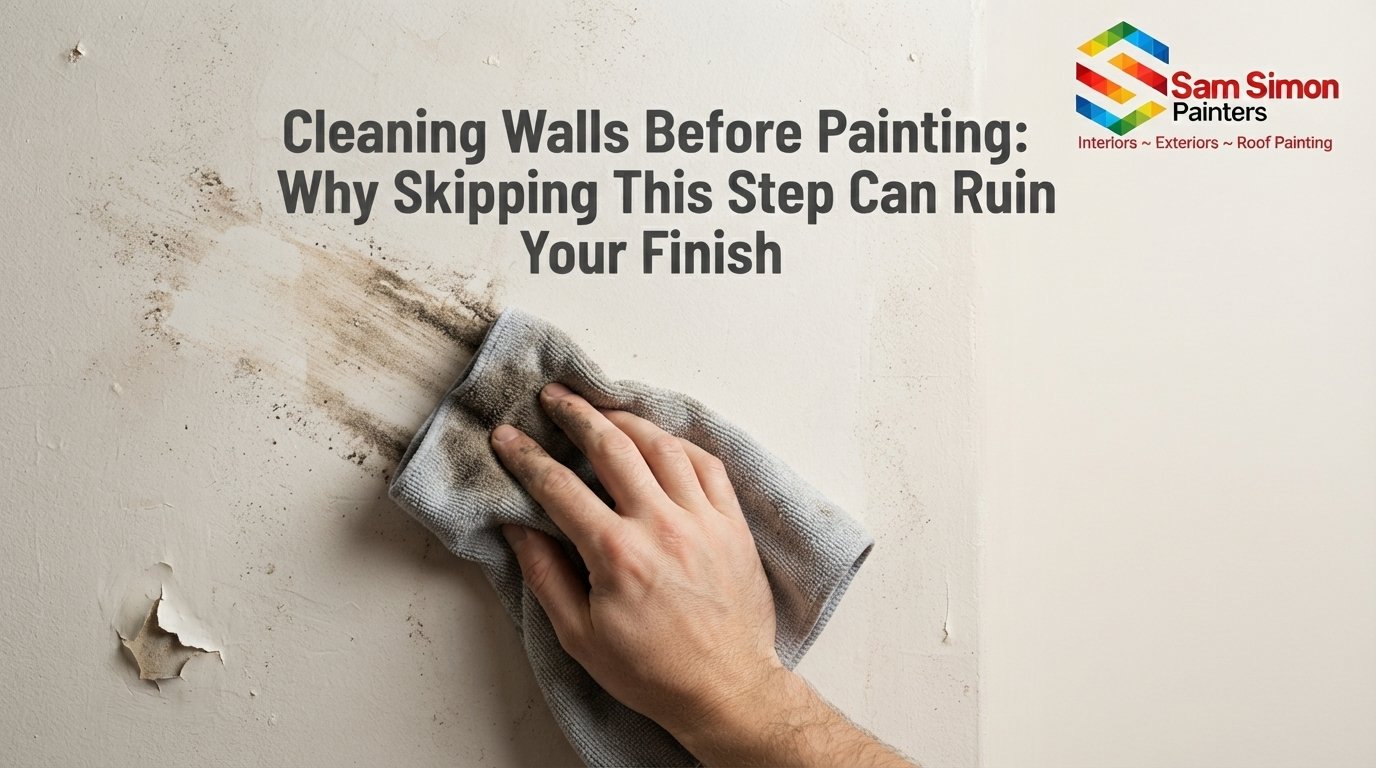
Fresh paint can look perfect on a dirty wall for about a week. Then grease shows through, the paint lifts near the light switch and the finish turns patchy. Cleaning walls before painting prevents most of these problems, yet many homeowners skip it because the walls look clean enough.
Invisible grease, dust and residue stop paint from gripping the surface. This guide explains how cleaning walls before painting works, how to treat different wall conditions and which mistakes damage the finish.
Why Cleaning Walls Before Painting Matters
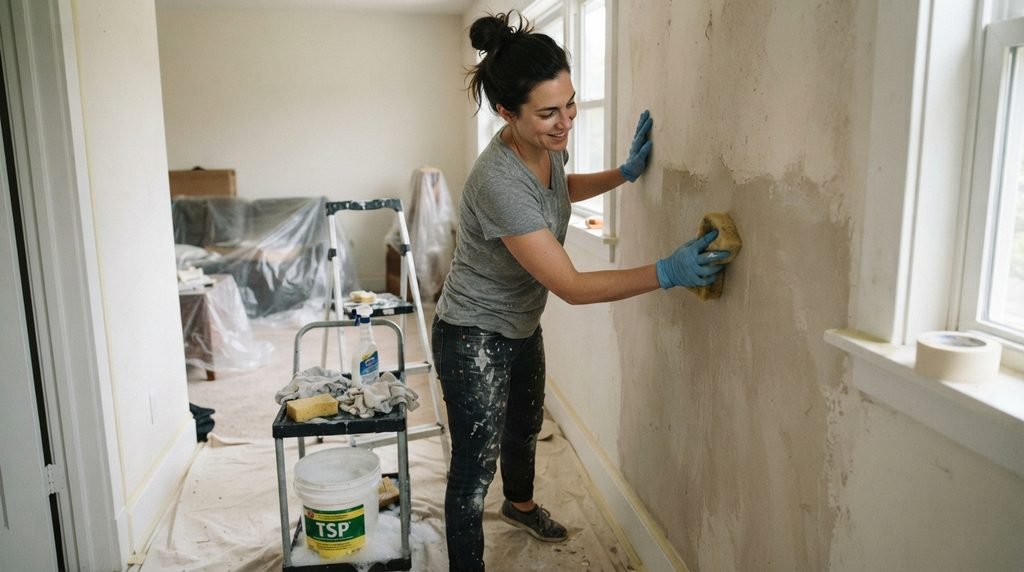
Paint needs a clean, stable surface to bond with. Dirt and grease form a thin barrier between the old paint and the new coat, so the new paint sits on grime instead of the wall.
A clean surface protects you from these problems:
- Poor adhesion. Paint grips clean surfaces far better than greasy ones.
- Rough texture. Settled dust turns into tiny bumps under the new coat.
- Visible marks. Fingerprints and stains can ghost through fresh paint.
- Early peeling and patchy coverage. Both problems start at the surface.
A wall can look clean and still carry a film of cooking oil, hand oils and dust. Run a dry hand over the wall beside a light switch and you will often feel it. A wall that looks clean passes a glance. A wall that is ready for painting feels smooth, dry and free of residue.
Older Melbourne homes often have several layers of paint, and each layer collects its own grime. That makes cleaning walls before painting even more important in established suburbs.
What Happens If You Skip Washing Walls Before Painting?
Skipping the wash causes problems that a second coat cannot fix. Homeowners most often meet these issues:
- Adhesion problems. Paint bonds to the grime instead of the wall, so it can lift when anything rubs against it.
- Uneven coverage. Paint beads or spreads unevenly over oily patches.
- Grease and stains showing through. Kitchen splashes and smoke marks often bleed into light colours.
- Dust in the finish. Particles trapped in wet paint leave a gritty surface.
- Early peeling or flaking. Failed adhesion shows up first around switches, door frames and corners.
- Extra repair and repainting work. You end up scraping, sanding and repainting the same wall.
Cleaning walls before painting takes far less effort than repairing a failed finish.
How Do You Clean Walls Before Painting?
Remove loose dust, wash the wall with a mild detergent solution or diluted sugar soap, rinse away the residue and let the surface dry completely. Those five stages make up the core of cleaning walls before painting. For the full sequence, including filling and priming, read our complete guide to preparing walls for painting.
Remove Loose Dust and Cobwebs
Start dry. Use a soft brush, a microfibre cloth or a vacuum with a brush attachment. Wet dust turns to mud, which smears across the wall and makes washing harder. Check corners, cornices and the tops of door frames, where dust settles.
Choose the Right Wall Cleaning Solution
Mild detergent mixed with warm water suits most light dirt. Diluted sugar soap handles heavier grease and grime. Follow the manufacturer’s dilution and application instructions, because a stronger mix does not clean better and can dull some paint finishes. Test any solution on a hidden spot first. This choice matters most when washing walls before painting in kitchens and hallways.
Wash Walls from Top to Bottom
Work in manageable sections with a soft sponge or cloth. Wring it out well, because a dripping sponge soaks the wall. Washing from the top down lets you catch drips as you go instead of streaking clean areas below.
Rinse Away Cleaning Residue
Detergent and sugar soap can leave a film that blocks adhesion. Wipe each section with a clean, damp sponge and fresh water, following the product instructions. Change the water often so you do not spread dirt back onto the wall.
Allow Walls to Dry Completely
Paint over a damp wall and it can blister, peel or stay tacky. Drying time depends on humidity, airflow, temperature and how much water you used. Open windows and run a fan to help. Drying takes longer in cold, humid weather, so allow extra time when cleaning walls prior to painting. If you doubt the wall is dry, wait longer.
What Is the Best Way to Clean Different Types of Wall Dirt?
Match the method to the contaminant. Light dust needs a dry wipe, while grease needs a degreasing solution.
Removing Grease from Kitchen Walls
Cooking oil, steam and food splashes build up near stoves and benchtops. Kitchen walls collect more grease than bedroom walls, so they need extra attention. Use diluted sugar soap or a suitable degreasing detergent, change your cloth often and rinse well. Check the wall behind the rangehood and the area around the splashback.
Removing Fingerprints and Scuff Marks
Hands leave oils around switches, doorways and hallways. Wipe these marks with a mild detergent solution and a soft cloth. Avoid hard scrubbing, because aggressive rubbing can polish or damage the paint.
Cleaning Dust and Household Grime
Dust, cobwebs and everyday dirt settle on walls, especially above doors and near vents. Remove the dry layer first, then wash lightly with a detergent solution. This routine forms the baseline for cleaning walls before painting in every room.
Dealing with Smoke and Stubborn Stains
Surface dirt washes off. Deeper stains, such as smoke residue, water marks or ink, often do not. Wash the area, let it dry and check what remains. Stains that persist may need a stain-blocking primer or specialist treatment. Paint applied straight over them lets them bleed through.
What About Mould and Mildew?
Mould usually points to a moisture or ventilation problem. Do not wash it once and paint over it, because it will return. Find the source of the moisture, fix it and treat the mould with an appropriate product before repainting. If mould keeps coming back or covers a large area, ask a professional to assess it.
Do You Need to Sand Walls Before Painting?
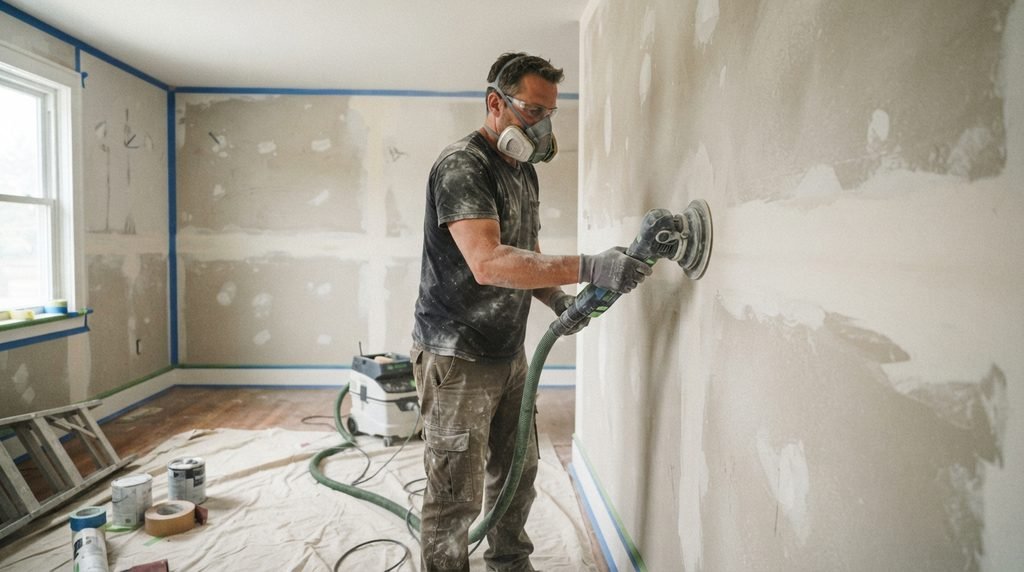
Not always. Washing and sanding do different jobs. Washing removes dirt and grease, while sanding smooths or roughens the surface. Many walls need only a thorough wash.
Sanding walls before painting makes sense in these cases:
- Glossy surfaces. A light sand dulls the sheen so new paint can grip.
- Rough or repaired areas. Filled cracks and patched holes need smoothing.
- Flaking edges. Loose paint needs sanding back to a stable surface.
Always remove the sanding dust before you paint, because it leaves a gritty finish. Sanding never replaces cleaning walls before painting. It only turns surface grime into dust.
Should You Wash Walls Before or After Sanding?
Wash first, sand second and remove the dust last. Washing removes grime so the sander does not grind it into the surface. After sanding, wipe the wall with a slightly damp cloth or use a vacuum, then let it dry. Cleaning walls after sanding keeps dust out of the paint. Adjust this sequence to suit your surface and product instructions.
Common Mistakes to Avoid When Cleaning Walls Prior to Painting
Most mistakes come from rushing. Avoid these:
- Using too much water on the wall.
- Choosing an unsuitable cleaning solution.
- Scrubbing delicate paint finishes too hard.
- Leaving sugar soap or detergent residue behind.
- Cleaning only the visibly dirty sections.
- Ignoring grease around kitchens and switches.
- Painting before the wall has dried.
- Using cleaning products without reading the instructions.
- Covering recurring mould or moisture damage with paint.
Good cleaning walls before painting stays gentle, even and thorough.
How to Know When Your Walls Are Clean and Ready for Painting
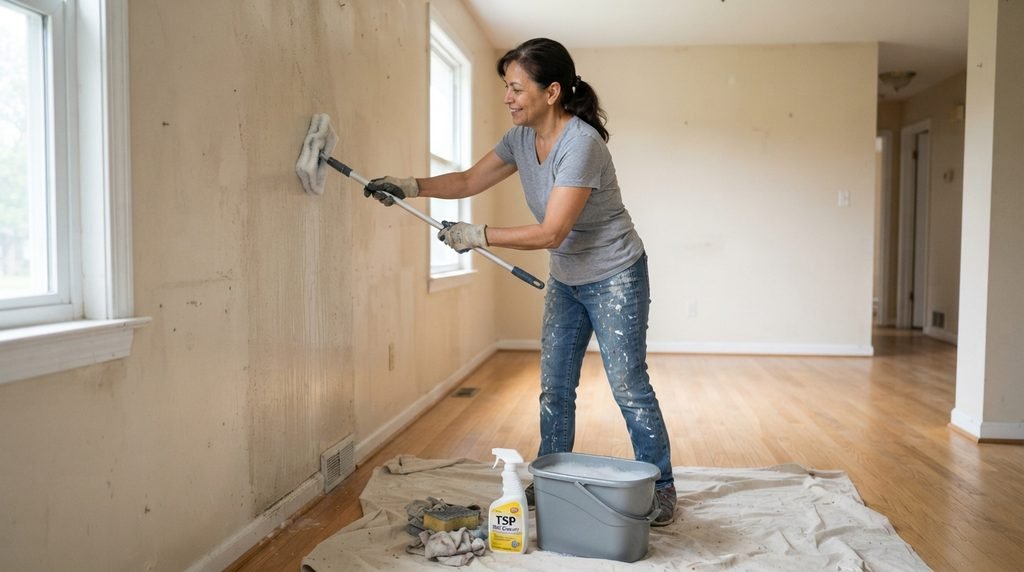
Run through this checklist:
- You have removed loose dust and cobwebs.
- You have cleaned off grease, fingerprints and surface grime.
- You have rinsed away cleaning residue where required.
- No excessive moisture remains.
- The wall feels completely dry.
- You have marked any remaining defects for separate repair.
Cleaning walls before painting is one part of the full preparation process. Filling, sanding and priming still follow.
When Should You Get Professional Painters to Prepare Your Walls?
Some jobs go beyond a weekend wash. Call a professional when you see:
- Heavy grease or stubborn staining
- Peeling or unstable paint
- Recurring moisture or mould
- Large areas that need repainting
- Older or delicate painted surfaces that need careful assessment
Sam Simon Painters delivers interior painting services in Melbourne with proper surface preparation, quality-focused workmanship and a clean, customer-focused service. Professional preparation means cleaning walls before painting, repairing defects and priming in the right order.
Ready to start? Book a free on-site painting quote with Sam Simon Painters today.
Frequently Asked Questions
How do you clean walls before painting?
Remove dust with a dry cloth, wash gently with a mild detergent solution or diluted sugar soap, rinse with clean water and let the wall dry fully. Cleaning walls before painting works best in small sections, from top to bottom.
Do you need to wash walls before repainting?
Yes, in most cases. Previously painted walls collect grime and grease, which weaken adhesion. Washing walls before painting gives the new coat a clean surface to grip.
Can you use sugar soap on all painted walls?
Not always. Suitability depends on the existing paint finish and the product instructions. Test an inconspicuous area first.
Do you need to sand walls before painting?
Only sometimes. Sand glossy surfaces, rough patches and repaired areas. Sanding walls before painting does not replace washing, so clean the wall first.
How long should walls dry after washing before painting?
Drying time depends on humidity, airflow, temperature and how much water you used. Follow the product instructions and make sure the wall is completely dry before you paint.
Can you paint over dirty walls?
You can, but you should not. Dirty walls cause poor adhesion, uneven coverage and visible marks. Cleaning walls before painting avoids all three.
Is washing walls enough before repainting?
No. Washing removes contamination but does not repair cracks, peeling paint or other defects. Cleaning walls prior to painting is the first step, and repairs and priming come next.
Conclusion
Cleaning walls before painting is a small step with a big effect on the finish. Removing dust, grease and residue gives paint a surface it can grip. A clean, dry wall is a far better starting point than one that only looks clean.
If you want expert preparation without the guesswork, Sam Simon Painters can help. Cleaning walls before painting is just the start of a smooth, lasting finish, so contact the team to arrange your free on-site quote.