
Introduction
Walk down almost any Melbourne street and you’ll spot the difference. One house has a crisp, even roof that frames the whole property. Next door, the tiles have gone chalky and streaky after years of sun and rain. Your colour choice shapes first impressions, but it also affects how hot the roof gets and how well it ages.
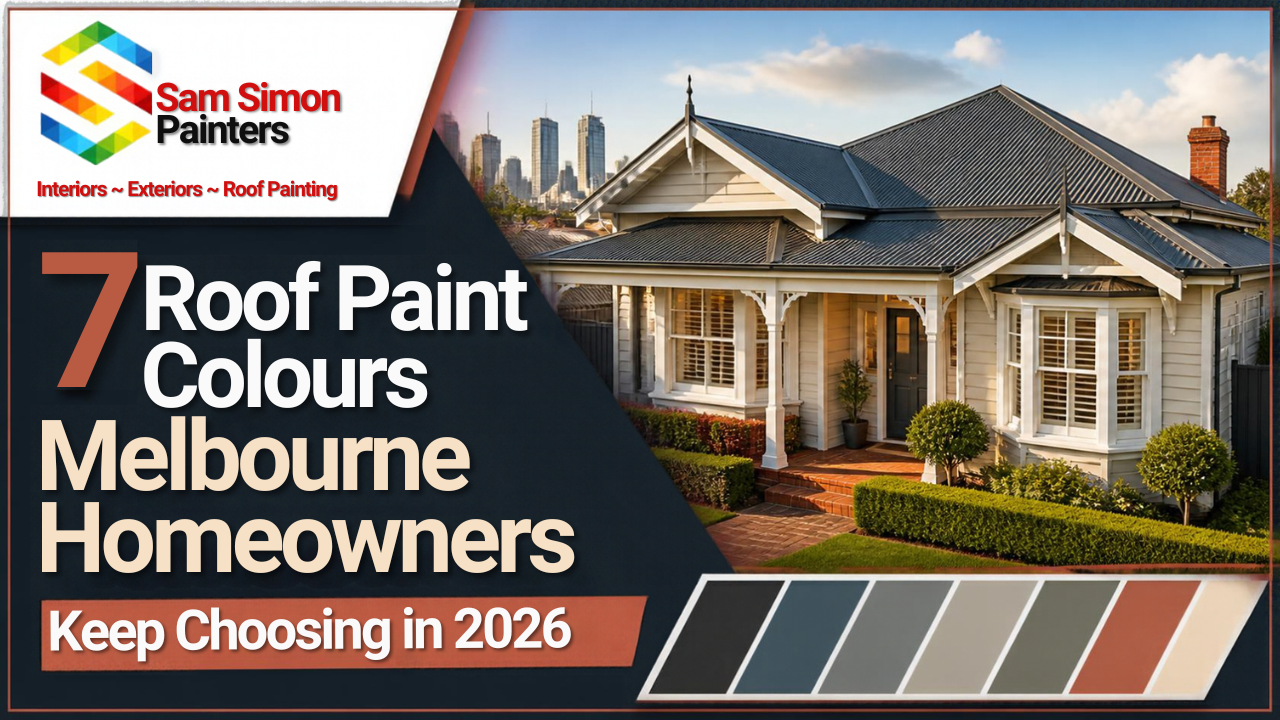
This guide covers seven popular roof paint colours that keep turning up on Melbourne homes, how to match them to your house, and what to weigh up before you commit. Whether you’re repainting tired tiles or preparing for a sale, it should help you settle on a colour you’ll still like in ten years.
The Seven Shades Homeowners Choose Most
The names below follow the Colorbond range, which many Australians use as a common reference. Paint brands offer close matches for tiles.
1. Charcoal
Charcoal is the safe bet that rarely feels like a compromise. It sits well against red and cream brick, suits white render, and works on everything from a 1990s brick veneer to a new build. Dirt, lichen streaks and general weathering are far less obvious on dark grey, which helps if your roof sits under trees. The trade-off is heat: darker tiles absorb more sun, so ask your painter about heat-reflective pigments.
2. Monument
Monument is a deep, slightly warm grey and one of the most popular roof paint colours you’ll see on new estates and renovated weatherboards alike. It’s a touch softer than charcoal, so it doesn’t feel heavy on a smaller home, and it works with both cool and warm wall colours. Hold a large sample next to your gutters and fascia before deciding.
3. Surfmist
Surfmist is a soft, warm white, and it’s the pick if summer comfort is your main concern. Light roofs reflect more sunlight, and the shade suits coastal and Mediterranean-style homes, as well as modern builds with dark window frames. Just remember that pale roofs show dirt, moss and runoff staining sooner, so regular washing matters.
4. Woodland Grey
Woodland Grey is a muted, earthy grey with a hint of brown. It looks lovely beside timber, face brick and warm-toned render, and it sits comfortably in older suburbs where a charcoal roof would look too stark. For family homes that want warmth without drifting into beige, it’s a dependable middle ground.
5. Terracotta
Terracotta suits houses that were built to wear it. Clay and concrete tile roofs on Mediterranean, Spanish Mission and many post-war homes look right in warm red-orange, and a fresh coat can bring a faded roof close to its original glow. Painting a period home’s roof cool grey can leave it looking oddly unfinished, so refreshing the existing character is often the smarter move.
6. Deep Ocean
Deep Ocean is a dark, muted blue that suits bayside properties and modern homes with white or pale grey walls. It’s bolder than the others here, so check a large sample in daylight and look at the surrounding streetscape. Deep blue can look striking among grey roofs, but it can also feel out of place if the architecture doesn’t support it.
7. Basalt
Basalt is a dark grey with a cool, slightly blue undertone, sitting somewhere between charcoal and soft black. It gives a contemporary home a sharp, defined edge against white or pale render. Like other dark shades, it hides weathering well but holds more heat. It also appeals to a broad range of buyers, which makes it one of the safer roof paint colours if resale is on your mind.
Matching Colour to Your Home’s Style
Modern Homes
Modern builds suit the stronger roof paint colours: charcoal, Monument, Basalt and, for the confident, Deep Ocean. Clean lines and mixed materials such as render, timber cladding and black window frames all hold up well under a dark roof. A pale roof can also work if the walls are dark, creating a striking reverse contrast.
Heritage Homes
For older homes, roof tile paint colours such as Woodland Grey, terracotta and warm neutrals respect the original character of the street. If your property is in a heritage overlay, check your local council’s requirements first, since some areas restrict colour changes or require approval. It’s a quick call that can save a lot of grief.
Brick Homes
Warm brick looks best when the roofing paint colours sit quietly behind it. Charcoal, Monument and Basalt frame the masonry without competing, while Woodland Grey softens the whole look. Strong blues or whites can clash with orange and red bricks, so test them before committing.
Coastal Homes
Near the bay, Surfmist, Deep Ocean and cooler greys feel at home next to timber decking, stone and pale cladding. Salt air is tough on any coating, so surface preparation and product choice matter as much as the shade.
How Shade Affects Heat and Comfort
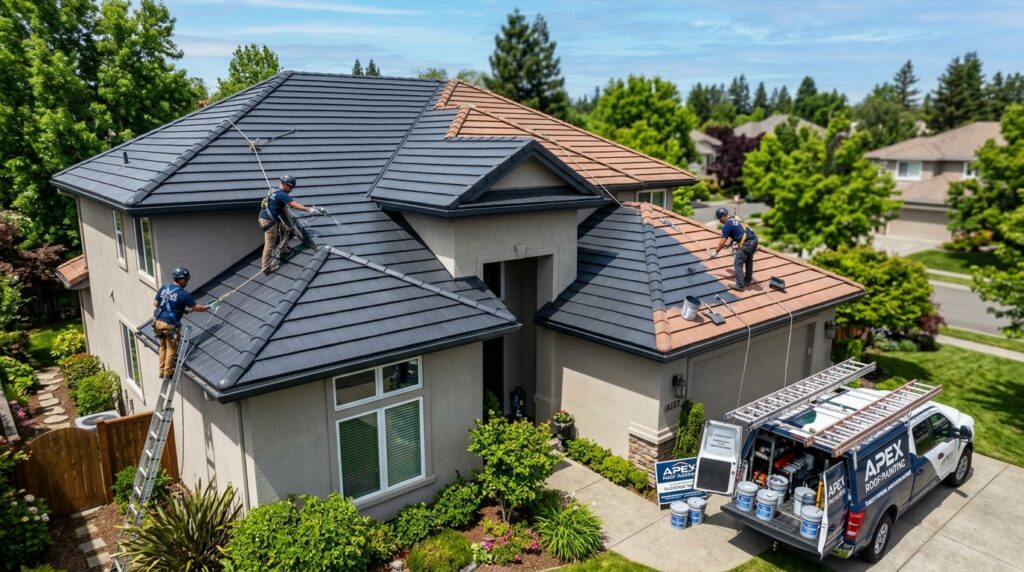
Colour does more than set the look. Lighter tones reflect more solar radiation, so a pale roof usually runs cooler than a dark one in the middle of a Melbourne summer. That can take some pressure off your cooling over the warmer months, though how much depends on insulation, ceiling space and how the home is built, so treat big savings claims with caution.
Dark roofs aren’t off the table, though. Many modern coatings use heat-reflective pigments that bounce back more infrared light than standard paint of the same shade. If you love charcoal but worry about summer, ask about these options. When comparing exterior roof paint colours, think about both the look and the heat load rather than choosing on appearance alone.
Painting Roof Tiles: Getting the Finish Right
Concrete and terracotta tiles fade and chalk over time, and a repaint is often what brings a tired roof back. When you pick roof tile paint colours, think about the gutters, fascia and downpipes too, since a coordinated set looks deliberate rather than patched together.
If you’re curious about how to paint a roof, the short version is that preparation does most of the work. A proper job usually involves:
- A thorough pressure clean to remove moss, lichen and loose paint
- Repairs to cracked tiles and re-bedding or re-pointing of ridge capping
- A suitable sealer or primer so the topcoat grips
- Two even coats of quality roofing paint, applied in suitable weather
Roofs are steep, slippery and high, so this isn’t a casual weekend project. Most homeowners leave it to trained painters with the right safety gear. When you’re comparing roofing paint colours and products, ask what system the painter uses and what warranty comes with it.
What Influences Roof Painting Cost?
Many people ask about roof painting cost before they even think about colour, and it’s a fair question. There’s no single figure, because every roof is different. The main factors are:
- Roof size and pitch, which affect labour, safety measures and paint volume
- The condition of the tiles and how much repair work is needed
- The material, since tile, metal and concrete each need a different approach
- The quality of the coating system and the number of coats
- Access, including steepness, tall storeys and tight sites
A premium coating often raises the upfront cost, but it usually lasts longer and holds its colour better. Ask for a written, itemised quote so you can compare like with like, and be wary of anything that skips preparation.
Practical Tips for Choosing Roof Paint Colours
- Match the walls and trims. Look at your brick, render or cladding in daylight, and choose a roof that complements them rather than competes.
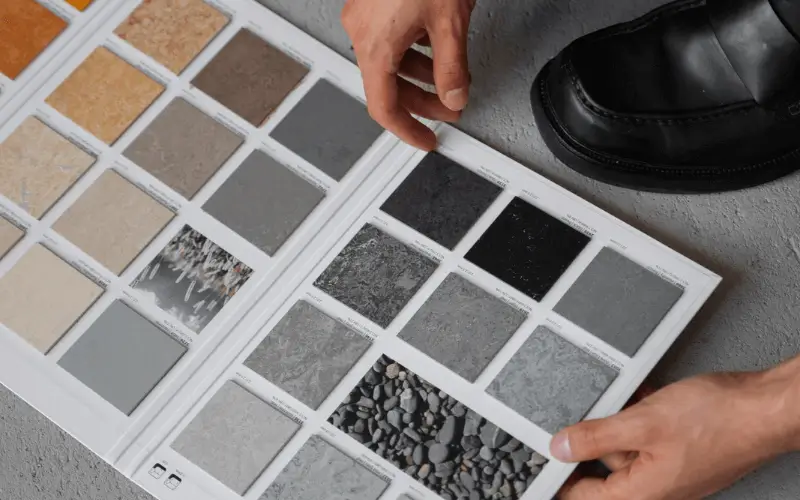
- Test samples outdoors. Colours shift dramatically between morning sun, midday glare and overcast afternoons, so view patches at different times.
- Look around the street. A roof that suits your neighbourhood feels more natural and appeals to more buyers.
- Think about the long term. Trend-led shades can date quickly, while neutrals tend to age well.
- Check the rules. Heritage overlays and some estates have colour guidelines, so confirm before you order paint.
Mistakes That Are Easy to Avoid
Most regrets about roof paint colours come down to the same few things. People pick from a tiny swatch under shop lighting, then find the real roof looks far darker in full sun. Others follow a trend without thinking about their walls, or skip preparation to save time and end up with peeling within a couple of seasons. A third mistake is ignoring the rest of the exterior. If your gutters, fascia and window frames are staying put, make sure the new roof colour sits comfortably alongside them. A little patience at the start is much cheaper than a repaint.
Frequently Asked Questions
What are the best roof paint colours for Melbourne homes?
Charcoal, Monument, Woodland Grey and Basalt are dependable choices because they suit most home styles and hide weathering well. The right pick still depends on your walls, your street and how much you want to limit heat, so always view samples on your own roof.
How long does a roof repaint last?
With good preparation and a quality coating system, many roofs hold up for a decade or more. Exposure, roof material and maintenance all play a part, and a yearly check for moss or peeling helps you catch problems early.
Do lighter roof paint colours keep a house cooler?
Generally, yes. Light shades reflect more sunlight than dark ones, so the roof surface stays cooler. The effect on indoor temperature also depends on insulation and ventilation.
Can I choose any colour for a heritage home?
Not always. Properties under a heritage overlay may need council approval for colour changes, so check with your local council before you start.
Which exterior roof paint colours suit coastal homes?
Surfmist, Deep Ocean and cooler greys work well near the water. Because salt air is hard on coatings, pay extra attention to preparation and the product used.
Can I learn how to paint a roof myself?
It’s risky. Working at height on slippery tiles is dangerous, and poor preparation leads to peeling and patchy results. A trained painter is usually the safer and longer-lasting option.
Choosing With Confidence
The best roof paint colours suit your home, your street and the way you live under that roof. Charcoal, Monument and Basalt are safe, versatile options, Surfmist suits those chasing a cooler roof, and Woodland Grey, terracotta and Deep Ocean bring warmth or personality when the architecture supports them. Take your time with samples, check any heritage rules, and put preparation ahead of speed.
If you’d like a second opinion, Sam Simon Painters offers free roof assessments and colour advice for Melbourne homeowners. Their team can look at your tiles, talk through options and help you land on a finish that looks good and lasts.