Introduction
Your building’s paint is quietly doing heavy lifting every single day. At Sam Simon Painters, we see too many property owners wait until surfaces look terrible before acting, and that wait always costs more. Maintaining commercial painting on your property is not just about appearances; it protects the structure underneath and keeps your maintenance budget from blowing out unexpectedly.
Across Australia, rising labour and material costs make every coat of paint an asset worth protecting. A consistent commercial painting maintenance routine can add years to your existing finish, reduce unplanned spending, and keep your property looking professional year-round. This guide walks you through the practical steps that actually work — from routine inspections to knowing when a repaint is overdue.
Schedule Regular Commercial Painting Inspections
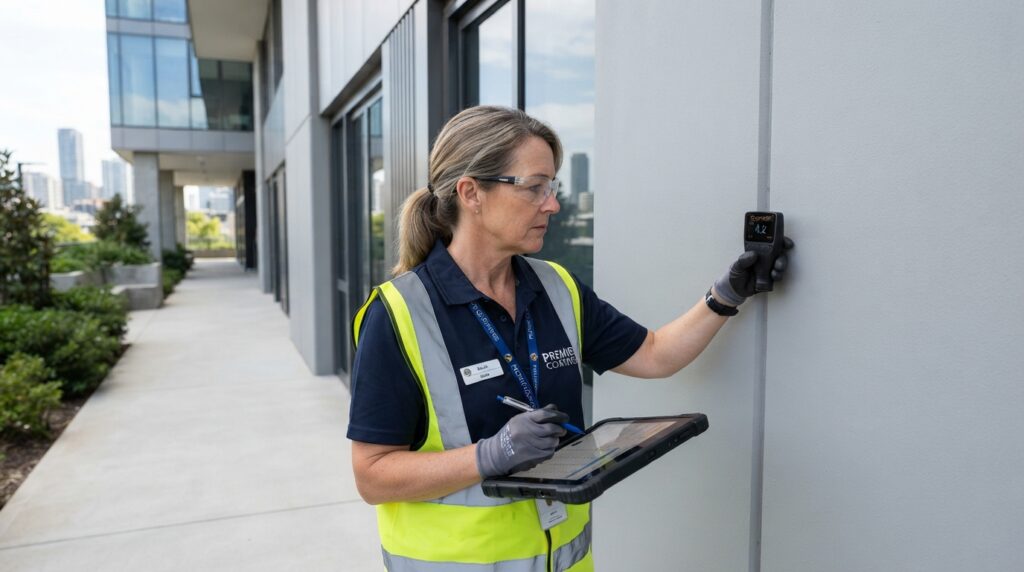
Routine inspections are the single most cost-saving habit a property owner can adopt. Spotting a small crack or patch of peeling paint early means a quick touch-up rather than a full-scale repaint. Inspections twice a year, once before summer and once heading into winter, fit neatly into most commercial property maintenance schedules.
Australia’s climate throws a lot at painted surfaces: UV-heavy summers in Queensland, salt-laden coastal air in Sydney, and freeze-thaw temperature swings in southern states.
Areas Commercial Property Owners Should Inspect Frequently
Focus your inspections on these high-risk zones across your building:
• Walls with direct western and northern sun exposure
• Moisture-prone areas such as bathrooms, kitchens, and basement-level rooms
• High-traffic interior corridors and lobbies
• Entryways, car park walls, and loading bays
• Rooflines, fascia boards, and external window trims
• Any surface near irrigation systems or drainage outlets
Keep Commercial Painted Surfaces Clean
Dirt, grime, and pollution do not just look bad they actively degrade paint over time. In urban Australian cities, airborne pollutants and vehicle exhaust settle on exterior commercial painting and begin breaking down the film layer if left uncleaned for extended periods. Regular washing is one of the simplest forms of commercial paint protection available.
Pressure washing is useful but needs to be controlled carefully. Too much pressure or the wrong angle can lift paint edges, force moisture behind the film, and cause bubbling. A moderate-pressure wash with appropriate non-abrasive cleaning agents, followed by a thorough rinse, keeps surfaces clean without causing new damage to your commercial painting.
Best Cleaning Practices for Interior and Exterior Commercial Painting
Follow these cleaning habits to maintain painted surfaces without causing damage:
• Use non-abrasive, pH-neutral cleaning products on both interior and exterior surfaces
• Schedule seasonal washes: pre-summer and post-winter work well for most Australian climates
• Remove mould and mildew with a diluted biocide solution before washing, not after
• Keep painted walls clear of chemical exposure from cleaning products stored nearby
• Consider hiring professional cleaners for large exterior commercial painting areas they use the right equipment and pressure settings
Repair Minor Paint Damage Before It Spreads
A small patch of bubbling or a hairline crack in a wall might seem minor, but both create entry points for moisture. Once water gets behind the paint film, the damage spreads quickly, and what could have been a one-hour touch-up job becomes a strip-and-repaint situation. Timely minor repairs are one of the best investments in commercial repainting services management.
This is especially true for commercial building painting on older properties where the substrate may already have minor imperfections. Addressing paint damage promptly keeps the underlying structure protected and pushes back the need for a full repaint by months or even years.
Common Signs Your Commercial Painting Needs Immediate Attention
Watch for these warning signs on your property:
• Peeling or flaking paint, especially near windows and penetrations
• Water stains or tide marks on interior walls or ceilings
• Fading or chalking on sun-exposed exterior walls
• Rust streaks running down from metal fixings, pipes, or flashings
• Bubbling or blistering paint, which indicates moisture trapped beneath the film
• Hairline cracks along render or masonry surfaces
Each of these signs, if ignored, will double or triple the repair cost within six to twelve months. Acting fast is always the cheaper path.
Protect Exterior Commercial Painting from Weather Damage
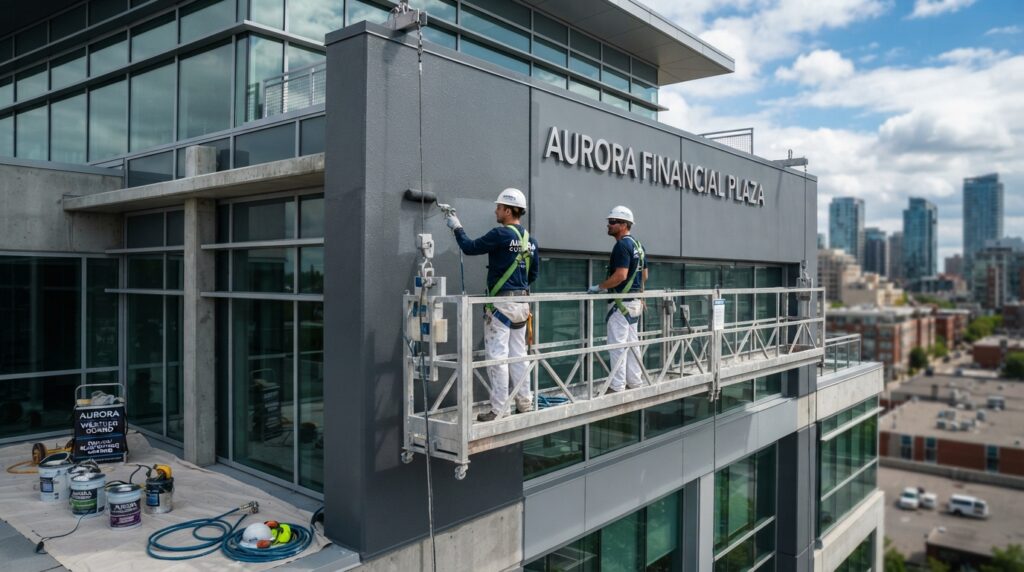
Australia’s UV index is among the highest in the world, and prolonged sun exposure breaks down paint binders faster than almost anything else. Exterior commercial painting on north- and west-facing walls typically fades and chalks within two to three years without the right protective coating applied during the original job or as part of an ongoing maintenance program.
Coastal buildings face a different challenge: salt particles in the air attack metal fixings and get into micro-cracks in the paint film, causing corrosion and paint lifting. High-humidity inland areas also see mould growth that stains surfaces and degrades adhesion. All of these factors make proactive weather protection a non-negotiable part of commercial painting upkeep in Australia.
Maintenance Tips to Extend Exterior Commercial Paint Lifespan
Apply these steps to extend your exterior paint finish significantly:
• Apply a quality weather-resistant clear sealer or topcoat every two to three years on sun-exposed walls
• Schedule annual professional maintenance checks after the Australian summer season
• Trim trees and shrubs that press against walls constant moisture from vegetation breaks down paint fast
• Check and clear drainage systems regularly so water does not pool against building walls
• Fill cracks in render or masonry before water penetration leads to substrate damage
• Repaint on a planned schedule rather than waiting until surfaces look obviously worn
Maintain High-Traffic Commercial Interior Areas
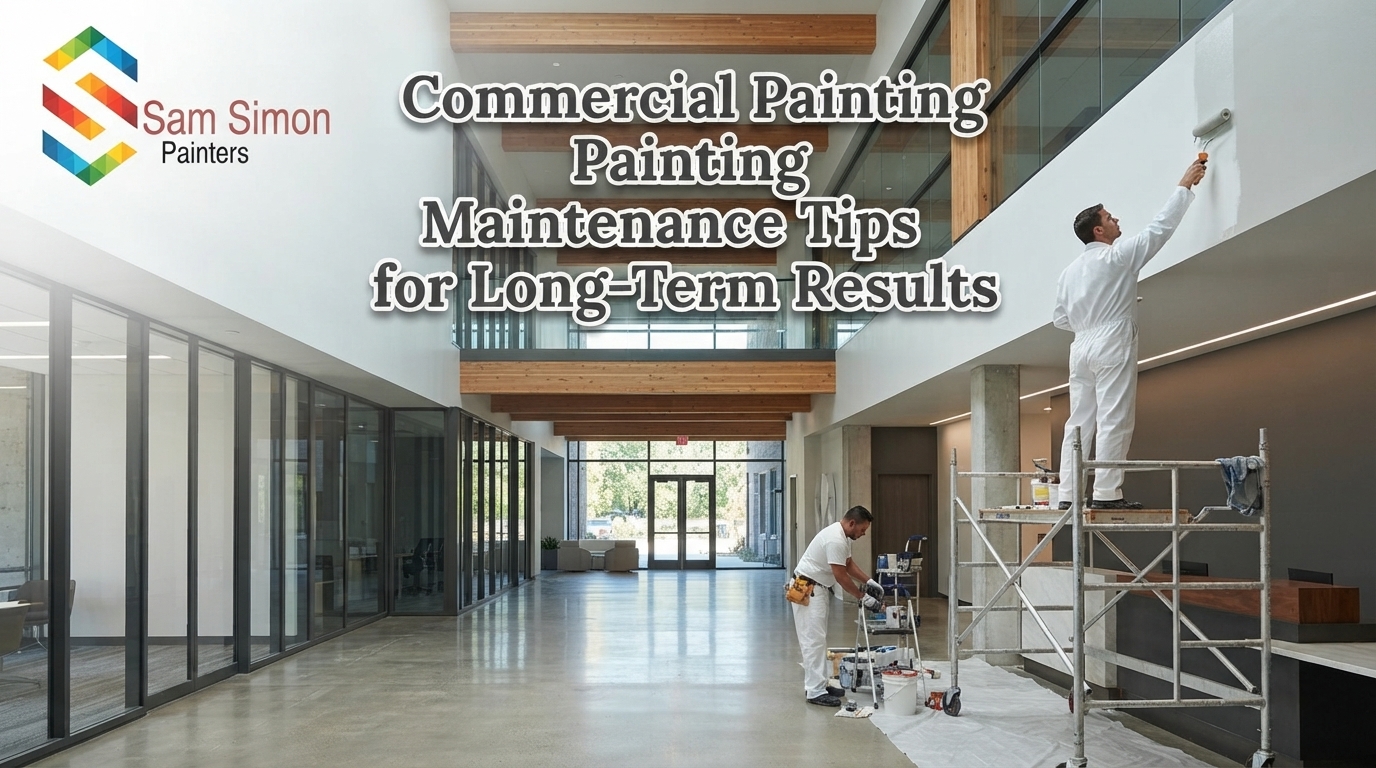
Busy interiors take punishment that most people underestimate. Office corridors, hospital hallways, retail fitting rooms, and school classrooms all see dozens to hundreds of wall contacts per day from bags, trolleys, furniture, and hands. Office painting maintenance in these spaces is not optional; without it, interior walls start looking tired within a year of a fresh paint job.
Choosing the right paint in the first place makes maintenance much easier. Washable low-sheen or semi-gloss paints hold up far better in high-contact areas than flat paints. Combined with a basic maintenance routine, interior commercial painting in busy spaces can look professional for three to five years between repaints instead of one to two.
How Businesses Can Reduce Interior Paint Wear and Damage
These practical measures protect your interior paint investment:
• Install wall protection guards and corner guards in hallways, loading areas, and service zones
• Pad or reposition furniture that regularly scrapes walls when moved
• Specify washable semi-gloss or satin-finish paints for kitchens, bathrooms, and corridors
• Maintain good indoor ventilation to prevent condensation build-up on painted surfaces
• Train cleaning staff on the correct products and methods for painted walls — abrasive pads cause surface damage
• Schedule minor touch-up rounds every six months rather than waiting for a full repaint
Work with Professional Commercial Painters for Preventive Maintenance
There is a significant difference between a painter who shows up when called and a commercial painter’s Australian team that operates a scheduled preventive maintenance program for your property. The latter group understands your building’s specific exposure conditions, what coatings were previously used, and which areas need attention before visible deterioration begins.
Professional maintenance programs also reduce business disruption.
Factors That Affect How Often Commercial Buildings Need Repainting
These variables directly determine your repainting frequency:
• Building location: coastal, urban, or inland conditions each create different wear patterns
• Weather exposure: UV intensity, rainfall, humidity, and temperature variation all affect lifespan
• Paint quality: premium-grade coatings last significantly longer than budget alternatives
• Traffic levels: high foot and vehicle traffic accelerates wear on both interior and exterior surfaces
• Previous maintenance history: well-maintained surfaces hold new coats better and last longer
• Surface material: render, masonry, timber, and steel each have different paint adhesion characteristics
Cost Benefits of Proper Commercial Painting Maintenance
A maintained paint finish is an asset that actively protects a much larger investment: the building itself. Properties that follow a structured commercial property maintenance programme spend significantly less on repainting over a ten year period than properties that wait for obvious deterioration before acting. The maths are straightforward: a touch up costs a fraction of a full repaint.
Why Preventive Commercial Painting Maintenance Saves Money
Preventive commercial painting maintenance produces these measurable financial benefits:
• Fewer major repairs: catching problems early means small fixes instead of large-scale remediation
• Longer coating lifespan: maintained paint lasts two to three years longer than neglected surfaces
• Reduced operational disruption: planned maintenance causes far less business downtime than emergency repaints
• Improved customer impressions: a well-presented building reinforces brand credibility and professionalism
• Better property resale value: documented maintenance history supports higher valuations at sale
• Lower lifetime repainting costs: spreading maintenance effort over time is cheaper than cycling through full repaints
Frequently Asked Questions
How often should commercial painting be inspected?
Inspect commercial painting at least twice a year — once before summer and once before winter. Properties in harsh coastal or high-UV environments benefit from quarterly inspections to catch UV damage, salt corrosion, and moisture ingress before they spread.
What is the best way to clean commercial painted walls?
Use a pH-neutral, non-abrasive cleaner with a soft cloth or low-pressure wash. Avoid harsh chemical cleaners and high-pressure washing angles that can lift paint edges. Seasonal cleaning prevents dirt and pollution from breaking down the paint film over time.
How long does exterior commercial painting usually last in Australia?
In typical Australian conditions, exterior commercial painting lasts five to eight years. Coastal properties, high-UV locations, and surfaces with limited shade exposure tend to sit at the lower end of that range, making maintenance programs especially valuable.
What causes commercial paint to peel or bubble?
Peeling and bubbling are almost always caused by moisture getting behind the paint film. This happens through hairline cracks, failed caulking, condensation build-up, or inadequate surface preparation before the original paint was applied.
Can regular maintenance reduce commercial repainting costs?
Yes, considerably. Regular commercial repainting services for minor touch-ups and protective coating applications extend the life of a full repaint by two to three years on average, which translates directly into lower spending over any ten-year period.
When should a commercial building be repainted?
A commercial building should be repainted when visible chalking, fading, peeling, or cracking appears, or when annual inspections show the coating is no longer providing adequate substrate protection typically every five to eight years for exteriors.
Are professional commercial painting maintenance services worth it?
For most commercial properties, yes. Professional maintenance programs from commercial painters Australia catch problems earlier, use the right products, and operate within safety compliance requirements. They typically cost less over time than reactive repainting driven by neglected damage.
Which areas of commercial buildings need maintenance most often?
High-traffic interior corridors, north and west facing exterior walls, rooflines, window trims, and any surfaces near water sources need the most frequent attention. These areas accumulate damage faster than protected or low-traffic zones.
What type of paint lasts longest for commercial properties?
100% acrylic exterior paints and high-quality epoxy or polyurethane interior coatings offer the best longevity for commercial painting applications. Premium coatings cost more upfront but outlast budget alternatives by two to four years under comparable conditions.
How can businesses extend the lifespan of commercial painting?
Commit to regular inspections, seasonal cleaning, prompt minor repairs, and planned protective coating applications. These four habits alone can add three to five years to the service life of both interior and exterior commercial painting finishes.
Conclusion
Maintaining commercial painting is not complicated, it is consistent. Regular inspections, cleaning at the right time, prompt minor repairs and planned protective treatments are the four pillars that keep painted surfaces sharp and performing well for years beyond their expected lifetime. Each step you take now reduces the cost and disruption of a future full repaint.
We work at Sam Simon Painters, with commercial property owners across Australia to develop maintenance programs that work for their buildings, budgets and operational schedules.
Whether you manage a single office or a multi-site portfolio, the principles in this guide apply and the savings add up quickly when you act before problems grow.
Now that you know how to maintain your commercial painting for long-term results, are you ready to protect your property investment with a professional maintenance plan? Contact Sam Simon Painters today for a free commercial painting assessment and quote.