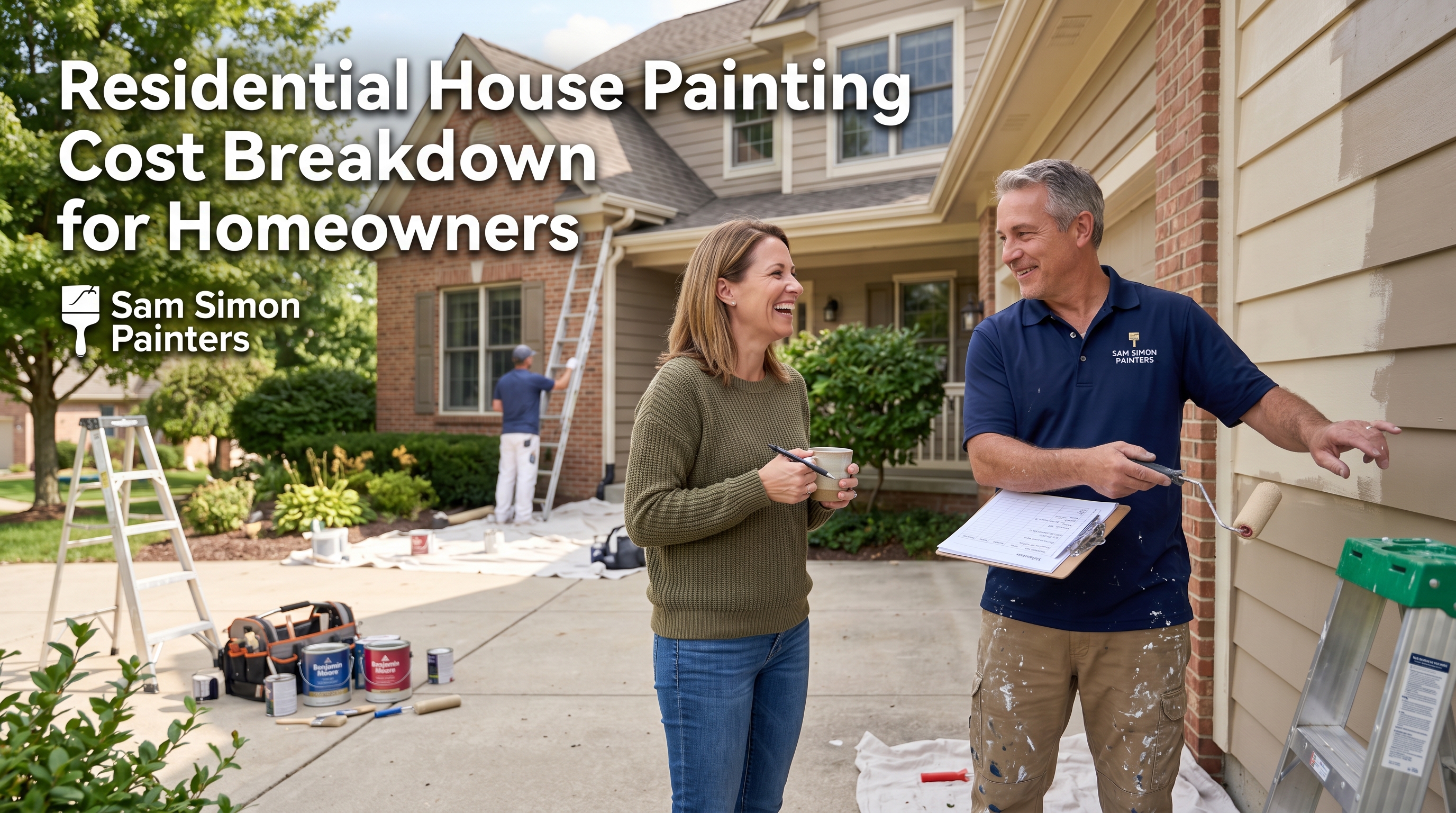
Getting a quote for residential house painting and not understanding what drives the number is one of the most frustrating positions a homeowner can be in. You get three different figures from three different painters, and none of them explain what you are actually paying for. At Sam Simon Painters, we hear this concern constantly, and it is exactly why pricing confusion sends so many homeowners in the wrong direction.
This guide breaks down every real cost factor in residential house painting in plain language, so you can budget clearly, compare quotes fairly, and avoid the surprises that catch most homeowners off guard. By the end, you will know exactly what you are paying for and why.
Cost Factor 1: Size and Area of Residential House Painting
All residential house painting quotes begin with a measurement of the total area of the house to be painted. This includes walls, trims, eaves, and any other surfaces in scope. More area means more paint, more primer, and more time on site, all of which go directly into the final number.
A single-storey home with a modest footprint will naturally cost less than a double-storey property with complex architectural features. The calculation is straightforward: more surface area means more of everything, and understanding that relationship helps you interpret quotes with much more confidence.
How Property Size Impacts Painting Cost
When painters work out the cost to paint a house, they calculate the total paintable area in square metres and apply a rate that covers labour and materials. That rate shifts depending on the complexity of the property, but size is always the starting point.
Multi-storey homes add cost beyond just surface area. Working at height requires additional equipment, safety measures, and slower application speeds. A double-storey home of the same square footage as a single-storey property will consistently come in higher because of what accessing those upper levels actually involves.
Cost Factor 2: Interior vs Exterior House Painting Cost
The split between exterior house painting cost and interior house painting cost is one of the first things to clarify when budgeting for a residential house painting project
Cost Factor 3: Type and Quality of Paint Used
Not all paint is the same, and the product chosen for your residential house painting project will affect both the quote you receive and the result you live with for the next decade. Budget paint requires more coats, fades faster, and often needs repainting well before a premium product would.
The cost difference between a mid-range and a premium paint product across an entire house is usually a few hundred dollars. The difference in lifespan can be three to five years. When you look at it from that angle, paying more for better paint is almost always the more economical choice over time.
Choosing the Right Paint for Long-Term Value
Your painter should walk you through product options as part of the quoting process. Painting services cost more when premium products are used, but a transparent quote will show exactly where that extra spend goes and why it is worth it.
Cost Factor 4: Surface Preparation and Repairs
Many homeowners are surprised to find that preparation work can account for a significant portion of a residential house painting quote. This is not padding — it is the foundation that determines whether the final result holds up for years or starts failing within months.
Properties with peeling paint, surface cracks, moisture damage, or years of grime buildup require substantial preparation before a brush touches the wall. The worse the condition of the surface, the higher the preparation cost, and the more critical it becomes to get that preparation right.
Why Preparation Is Essential Before Painting
Experienced professional house painters will always assess surface condition before providing a quote. Properties that have been well maintained cost less to prepare. Properties with neglected or damaged surfaces require more work before painting can even begin.
Cost Factor 5: Labour Charges and Professional Expertise
When you see labour costs in a residential house painting quote, you are paying for more than time. You are paying for the painter’s ability to prepare surfaces correctly, apply paint without runs or lap marks, and deliver a finish that holds up as long as it should.
A less experienced painter may quote lower labour rates, but the risk of uneven coverage, missed preparation, and a finish that fails early is higher. The time saved on a cheaper quote can easily be spent managing defects, disputes, or an early repaint that should not have been necessary.
Cost Factor 6: Additional Costs in Residential House Painting
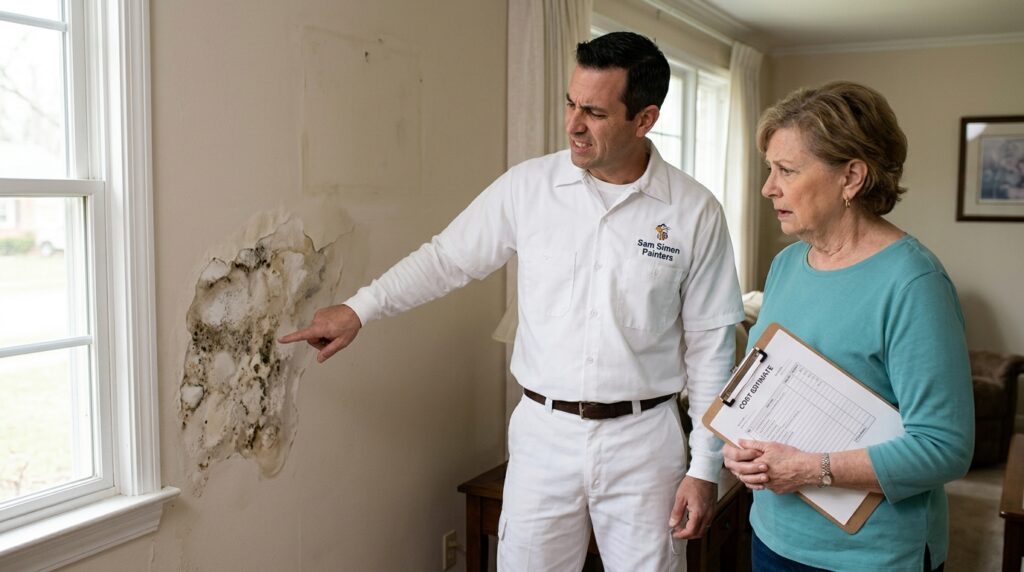
When budgeting for residential house painting, it pays to ask every painter what is and is not included in their quote. Some painters bundle everything into a single number. Others provide a base figure and add line items as the project develops. Knowing which approach you are dealing with upfront prevents surprises at invoice time.
These extra costs are legitimate parts of most painting projects. The issue is not that they exist but that they are not always disclosed clearly at the quoting stage.
Common Extra Charges You Should Know
Understanding the full picture of house painting cost means looking beyond the base quote and asking about each of these common add-ons before work begins.
• Scaffolding or elevated access equipment hire for multi-storey properties
• Travel charges for properties located outside a painter’s standard service area
• Waste removal and site cleanup fees where these are not bundled into the quote
• Urgent or priority scheduling fees when a project has a tight turnaround deadline
Cost Factor 7: Location and Accessibility of Property
Location influences residential house painting cost in two ways: where the property sits geographically and how accessible the paintable surfaces are once painters are on site. Both factors affect how long the job takes and what equipment is needed to complete it safely.
A flat single-storey home on a wide suburban block is about as straightforward as it gets. A narrow terrace with shared boundary walls, a steep block, or a property surrounded by established gardens creates access challenges that take time and equipment to manage, all of which shows up in the quote.
How Accessibility Impacts Overall Cost
Accessibility factors that add cost to a project:
• Narrow side access or tight spaces that limit equipment movement on site
• Height of the building and the equipment needed to reach upper-level surfaces safely
• Difficult surface materials that require special application techniques or products
• Safety setup requirements for working near power lines, water, or unstable ground
How to Estimate Residential House Painting Cost Accurately
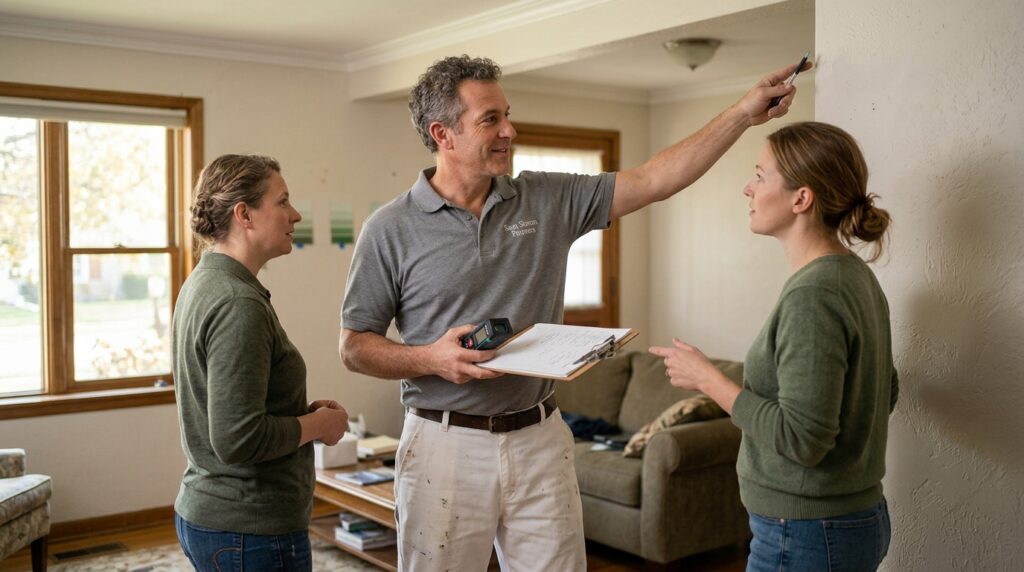
Estimating your residential house painting cost accurately before approaching painters puts you in a much stronger position. You can spot quotes that are unrealistically low, ask the right questions about inclusions, and understand why two painters quoting the same job might come in at different figures.
Our residential painting services page outlines the full scope of what a professional job covers, which is a useful reference when reviewing quotes. For a personalised number based on your specific property, our get a quote page is the fastest way to start.
Simple Steps to Get Accurate Painting Quotes
Following a clear process when gathering quotes reduces the chance of comparing figures that are not actually covering the same scope. House painting cost comparisons only work when every painter is quoting on exactly the same job.
Steps to follow before and during the quoting process:
• Measure your home’s total exterior and interior wall area before any painter visits
• Prepare a written scope listing all surfaces, special conditions, and any known repairs needed
• Request itemised quotes from at least three painters covering the same scope
• Check what each quote includes and excludes, particularly preparation and cleanup
Tips to Save Money on Residential House Painting
There are genuine ways to reduce what you spend on residential house painting without sacrificing the result. These are not workarounds or compromises. They are practical decisions that affect cost without touching the things that actually determine how good and how long-lasting the finish is.
The biggest savings usually come from timing, preparation, and product decisions made before the painter even arrives. Getting these right reduces billable hours and prevents cost surprises mid-project.
Frequently Asked Questions About Residential House Painting
Q1: What is the average residential house painting cost?
Costs vary considerably depending on property size, condition, and location across Australia. Costs vary considerably by property size, condition and location across Australia. A standard single-storey home exterior typically ranges from $3,000 to $8,000, while larger properties, multi-storey homes, or projects requiring significant surface repair will sit higher. Always request itemised quotes for your specific property.
Q2: How much does it cost to paint a house exterior?
Exterior house painting in Australia costs between $15 and $40 per square metre. It’ll depend on the surface, the quality of paint you choose and how much prep work you do. A full exterior repaint on a typical family home usually falls between $4,000 and $10,000 for a professional result.
Q3: Is interior painting cheaper than exterior painting?
Interior painting is often priced lower per square metre than exterior work because it does not require weather-resistant products or the same level of height access equipment. However, detailed interior finishes with multiple colours, high ceilings, and ornate trims can push interior costs above a straightforward exterior repaint.
Q4: How long does residential house painting last?
A professionally applied exterior paint job using quality products typically lasts between 7 and 10 years in Australian conditions. Interior painting can last 10 years or longer in low-traffic areas. Surface preparation quality and product selection are the two biggest factors in how long any paint job holds up.
Q5: What factors affect house painting cost the most?
Property size, surface condition, paint quality, labour rates, and accessibility are the five factors that move the cost to paint a house the most. Of these, surface condition often has the largest unpredictable impact, since damage or weathering discovered during preparation can add significant cost to the original estimate.
Q6: Should I DIY or hire the Professionals?
Professional house painters are the more practical and economical choice over the long term in most residential painting jobs. Doing your own exterior painting carries significant safety risks and you’ll typically have to repaint sooner. Professional work with a warranty will generally cost less per year of coverage than repeated DIY efforts.
Q7: How Many Quotes Should I Get Before Hiring Painters?
Getting at least three written quotes before committing gives you a clear picture of fair market pricing for your specific property. With three quotes covering the same scope, you can identify outliers at both ends, ask informed questions about inclusions, and make a confident decision based on value rather than price alone.
Q8: Does paint quality really affect cost?
Yes, significantly. Premium paints cost more per litre but cover better, require fewer coats, and last considerably longer than budget alternatives. Across a full house, the difference in product cost is usually a few hundred dollars, while the difference in lifespan can be three to five years, making premium paint the better long-term investment.
Q9: What is included in professional painting services cost?
A complete professional painting services cost typically covers surface preparation, priming, application of agreed paint coats, cleanup, and a workmanship warranty. Some quotes include scaffolding and waste disposal; others list these as extras. Always ask for a full line-item breakdown so you know exactly what each quote covers before signing.
Q10: How can I reduce residential house painting cost?
Schedule during quieter periods, handle basic preparation tasks yourself, choose standard paint colours rather than custom tints, and collect multiple itemised quotes before committing. These steps can meaningfully reduce the final cost without affecting the quality of the finish or the longevity of the result.
Q11: How long does a painting project take?
A standard single-storey exterior repaint typically takes between two and five days for a professional crew. Larger properties, multi-storey homes, or projects with significant preparation work can take up to two weeks. Weather conditions also play a role, particularly for exterior projects where painting cannot proceed in rain or extreme heat.
Q12: Are there hidden costs in house painting projects?
Yes, and they are common. Scaffolding hire, travel fees, urgent scheduling rates, and cleanup charges are frequently left out of base quotes. The best way to avoid surprises is to ask every painter for a full written breakdown of all potential charges before any work begins, and confirm what happens if unexpected surface issues are discovered.
Ready to Get a Clear Quote for Your Painting Project?
Understanding what goes into the cost of residential house painting takes the guesswork out of comparing quotes and planning your budget. From property size and surface condition through to paint quality, labour, and accessibility, each factor plays a real role in the final number. Knowing what you are comparing makes every conversation with a painter more productive.
At Sam Simon Painters, we provide it emised quotes that break down every cost clearly, so you know exactly what you are paying for and why. Our team works across Australia on residential projects of all sizes, from single-room refreshes through to full exterior and interior repaints. Now that you know how to read and compare residential house painting costs accurately, ready to get a quote you can actually trust? Contact Sam Simon Painters today for a transparent, no-obligation quote on your property.