
Introduction
Walk down any Melbourne street, and you can tell which houses are looked after. It’s rarely the letterbox or the front door that gives it away. More often it’s the fence: sun-bleached palings, flaking paint, or a colour that was fashionable fifteen years ago and hasn’t aged well.
Choosing fence paint colours sounds easy until you’re standing in a hardware aisle holding six almost identical greys. This guide covers ten colours that work on Melbourne homes, how to match them to your house, how timber and steel fences differ, and how to paint a fence so the finish lasts longer than a couple of summers.
Why fence colour matters
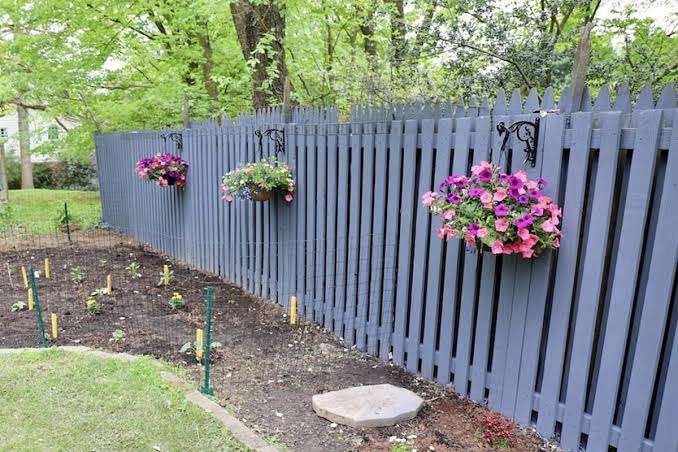
A fence runs along the whole front of your block, so it frames everything behind it. A dark fence draws a crisp line around the garden and makes greenery stand out. A light one opens up the space and can make a narrow terrace frontage feel wider. Get it wrong, and even a freshly renovated house can look mismatched, because the eye reads the boundary first.
Colour also affects how a fence copes with our weather. Dark shades absorb heat on a north-facing boundary in January and show fading sooner. Pale shades show mould, dirt and tannin stains more easily, especially in shady southern yards. Neither is wrong, but each has trade-offs. Good fence paint colours suit both the house and the conditions they will live in.
10 fence paint colours that work in Melbourne
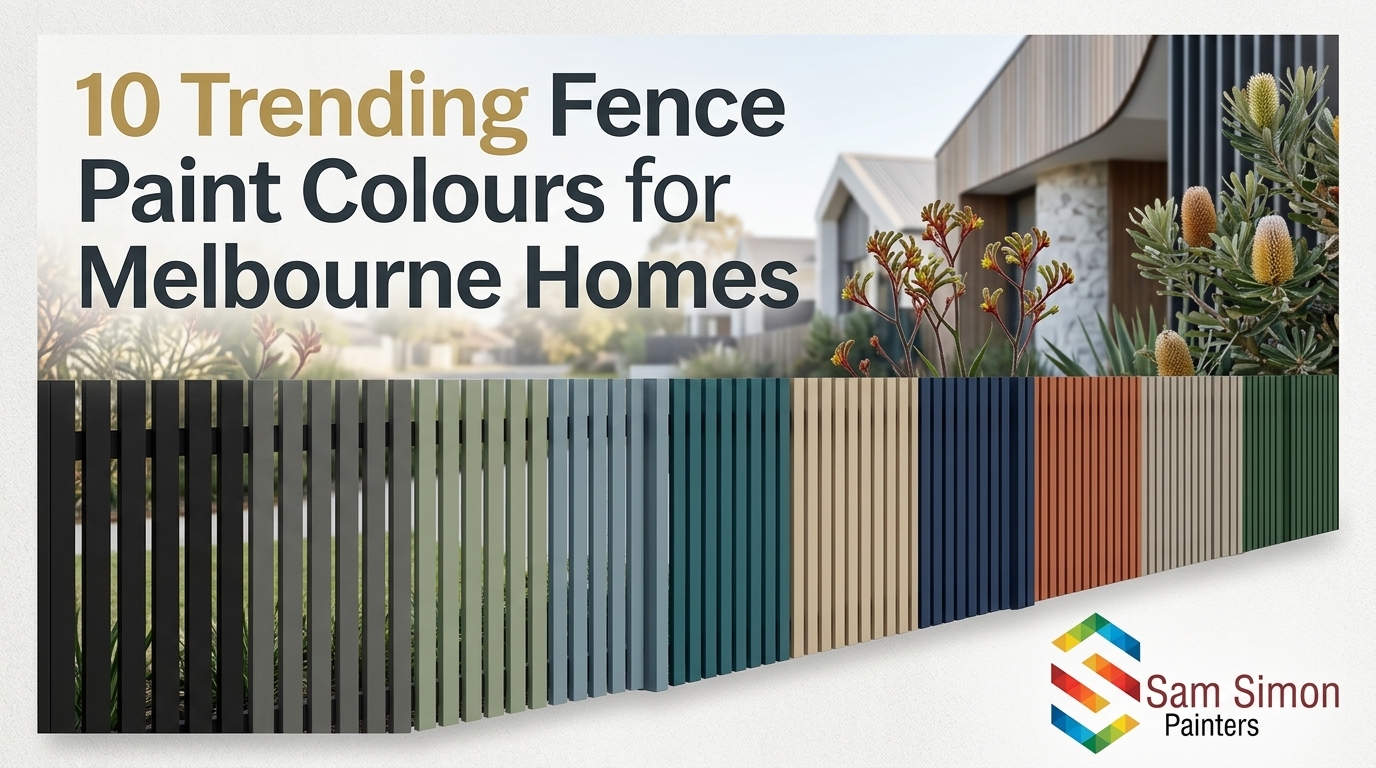
Melbourne homeowners are moving away from default brown and cream towards muted, earthy shades. These ten are popular because they suit brick, render, weatherboard and cladding. Most modern fence paint colours are understated rather than loud, so they age well and don’t date the house.
1. Charcoal. A safe, smart choice that works with white, cream and light grey walls and sits well beside black window frames. Go for a warmer charcoal on brick homes and a cooler one on render.
2. Matte black. This dramatic, clean shade makes a great backdrop for planting and suits contemporary homes best. Stick to a matte or low-sheen finish, because gloss shows every dent and brush mark.
3. Warm white. A soft off-white suits Federation and Edwardian homes and brightens narrow side passages. Avoid stark brilliant white, which can feel clinical and show grime quickly.
4. Sage green. A muted, grey-leaning green that almost melts into the garden. It has become a favourite in Melbourne’s inner suburbs because it feels calm and natural.
5. Sandy stone. A beige with a little grey in it. It suits cream brick, rendered walls and terracotta roofs, and it hides dust well.
6. Driftwood grey. A weathered silver-grey that suits bayside and coastal-style homes. It looks good on timber, especially as a thin wash that lets the grain show through.
7. Walnut brown. A rich mid-to-dark brown that keeps the warmth of timber. It suits traditional homes and fences with attractive grain.
8. Warm cedar. This tone is slightly redder and more orange than walnut, and it pairs well with red brick, cottage gardens and natural stone.
9. Deep navy. This is the bold option. It looks sharp against white weatherboard and pale render, and it works well with brass hardware or a timber gate. Test it carefully, because navy can look almost black on an overcast day.
10. Terracotta. A burnt, earthy orange for anyone who wants more personality. It suits courtyards, Mediterranean-style homes and mid-century houses, and often looks best as a feature section rather than along the entire boundary.
Matching your fence to the rest of the house
Start with what’s already there: roof, brick, render, window frames and driveway. A reliable rule is to choose a fence two or three shades lighter or darker than your walls, in the same undertone family. Pair warm tones with warm and cool tones with cool. A red-brick cottage looks right with walnut, cedar or sandy stone. A grey-rendered townhouse suits charcoal or black. White weatherboard suits navy or sage.
Contrast can work too, as long as the undertones agree. A pale fence against a dark house looks deliberate. Clashing undertones make a combination look wrong, even when people can’t say why. The colours of fence paint that age best tend to have a hint of grey or brown mixed in, which stops them looking flat in strong light.
If you’re torn between fence paint colours, hold each swatch against your brick, render or weatherboard in daylight. If your property is under a heritage overlay, check with your local council before committing to a bold change, because some areas have guidelines for front fences, including colour.
Timber fence paint colours: paint, stain or wash?
Timber is forgiving, and you have three main options. Solid paint gives full colour and a strong barrier against the weather, but it hides the grain. Stain soaks in and lets the grain show. A thin tinted wash sits between the two.
As a rough guide, older timber with patchy, weathered surfaces usually looks best with solid paint, while new or well-kept hardwood suits a stain. Whichever you pick, use a product made for exterior timber, with UV protection and water resistance. Good fencing paint stays flexible as timber expands and contracts through our hot summers and wet winters, so it is less likely to crack or peel.
Bare timber needs the right primer or sealer first. Hardwood can also bleed tannins that stain pale colours, so a stain-blocking primer is worth using under white and light grey. If you want timber fence paint colours that hide wear, mid-tone browns and soft greys are the most forgiving.
Colorbond fence paint colours: choosing and repainting
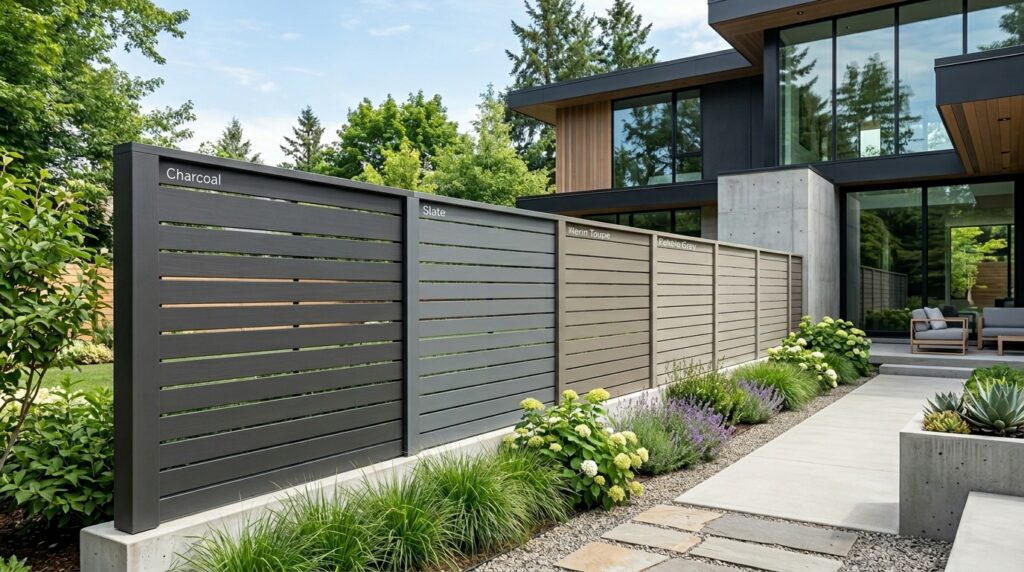
Colorbond is pre-painted steel, so the colour is usually chosen when you buy the fence rather than painted on afterwards. Popular shades include Monument (a deep charcoal-grey), Night Sky (near-black), Basalt, Woodland Grey, Shale Grey, Surfmist (a soft white) and Dune (a sandy beige). The same matching rules apply here as for the paint colours above.
If an existing Colorbond fence has faded or turned chalky, or you simply want a new look, it can be repainted. The surface needs proper cleaning, the correct primer and a paint made for metal. Check the manufacturer’s guidance first, particularly around warranty. Using a general-purpose timber product will usually lead to peeling.
Choosing the best fence paint colour for your yard
There’s no single best fence paint colour for every home. The right answer depends on your space and your light.
- Small or narrow yard: warm white, sandy stone or driftwood grey reflect light and make the space feel bigger.
- Shady southern boundary: avoid very pale shades that show mould, and go for a mid-tone sage, grey or brown.
- Hot, exposed northern boundary: choose a quality UV-stable product, and expect very dark colours to show fading sooner.
- Bayside or salt-exposed: soft greys, whites and sandy tones cope well and suit the setting.
- Selling soon: neutrals such as charcoal, warm white and sandy stone appeal to the widest range of buyers, and a tidy painted fence will do more for street appeal than a bold colour.
Test before you commit.
When you’re comparing fence paint colours, paint a large sample patch, at least a metre wide, on the fence itself or on a board you can move around. Check it in the morning, at midday, in the late afternoon and under evening light. Look at it on a grey, overcast day too, because Melbourne gives you plenty of those. A shade that looks perfect in bright summer sun can turn heavy and dark in winter.
View it next to your brick, gate, gutters and plants rather than on its own, and let it dry fully before judging, since most paints shift slightly as they cure. If you’re still unsure, a colour consultant can save you a repaint.
How to paint a fence so the colour lasts
Preparation decides how long a painted fence stays looking good, and the steps are the same whatever colour you choose.
- Clean. Remove dirt, mould and loose paint with a pressure washer or stiff brush, then let the fence dry completely. This can take a couple of days.
- Repair. Replace rotten palings, fill cracks and hammer in any protruding nails.
- Sand. Smooth rough patches and feather the edges of flaking paint so repairs don’t show.
- Prime. Bare timber and metal both need a primer suited to the surface.
- Paint. Apply two thin coats rather than one thick coat, and follow the recoat times on the fencing paint tin.
- Pick your day. A mild, dry day without direct midday sun or rain in the forecast gives the best result.
A well-prepared fence will usually go several years before it needs a refresh, depending on sun exposure, the timber and the quality of the product. Fading, chalkiness or small flakes are your cue to act before the damage spreads.
Boundary fences and neighbours
In Victoria, the Fences Act 1968 covers shared dividing fences, including how costs are split and how to notify a neighbour of planned work. Painting your own side is generally your decision, but it’s good manners, and good sense, to let neighbours know first, particularly if the fence is shared. If you’re replacing rather than repainting, check the dividing fence rules before you start.
When it’s worth calling a professional
A short fence in good condition is a fair weekend job. Long boundaries, tall fences, heavy mould, dark colours that need even coverage and Colorbond repaints all benefit from professional equipment and thorough preparation. If you’d like help, our fence painting service covers everything from preparation to the final coat. If cost is a concern, our house painting cost guide explains what affects the cost of exterior jobs.
Common questions about fence colours
Can you paint over an old painted fence?
Yes, provided the surface is clean and sound. Flaking paint must come off, and glossy areas need a light sand so the new coat can grip.
How often should a fence be repainted?
Usually every few years, depending on sun exposure, the condition of the timber and the product used. Fading, flaking or exposed timber means it’s due.
Is black too harsh for a Melbourne fence?
Not if you use a matte finish and soften it with planting. It does show dust and runs hotter in the sun, so a quality UV-stable product matters.
Does colour affect how long paint lasts?
Slightly. Dark colours show fading sooner and pale ones show mould, but preparation and product quality make a far bigger difference.
Getting your fence colour right
The right choice comes down to three things: your house, your light and your fence material. Get those right and prepare the surface properly, and the result will look intentional for years rather than seasons. Whether you land on charcoal, sage or a classic timber stain, the best fence paint colours are the ones that suit your home and your street.
If you’d prefer to leave it to the professionals, the team at Sam Simon Painters can help you choose a colour, prepare the surface and finish the job properly across Melbourne. Get a free quote and we’ll talk you through your options.