Introduction
Your home’s exterior takes a beating every single day. Melbourne’s sun bakes it in summer, the rain lashes it in winter, and the wild temperature swings in between do their own quiet damage. Over time, this shows up as faded colour, peeling paint and walls that look tired even when the rest of your house is in good shape. If you have started searching for painting outside of house solutions, you are probably already noticing these warning signs on your own walls.
Left unchecked, worn exterior paint does more than hurt kerb appeal. It leaves timber and render exposed to moisture, which can lead to rot, cracking and repairs that cost far more than a fresh coat would have. The good news is that painting outside of house the right way, with proper prep and the right products, protects your home and keeps it looking sharp for years. This guide covers everything you need before booking painting outside of house work, from reading the signs of wear to choosing paint that can handle Melbourne’s weather.
Why Melbourne’s Weather Matters for House Exterior Painting
What UV, heat, rain and cold snaps do to paint
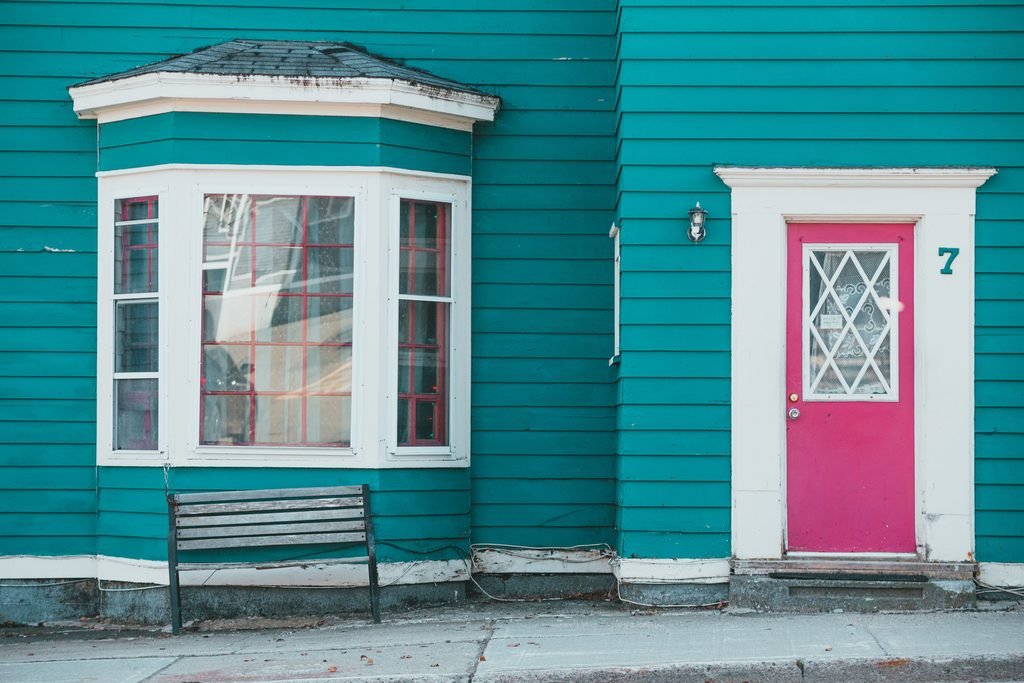
Melbourne is famous for having four seasons in one day, and your paintwork feels every bit of it. Strong UV rays break down paint pigments over time, which is why dark colours fade faster than light ones. Summer heat causes paint to expand, while cold snaps make it contract, and this constant movement leads to hairline cracks. Rain and humidity add another layer of trouble, seeping into small gaps and causing paint to lift, blister or trap moisture underneath. This is exactly why house exterior painting in Melbourne needs weather-tough products, not standard paint.
Signs it’s time to repaint
A few warning signs tell you it is time for painting outside of house work. Chalking is one of the first, where a powdery residue rubs off on your hand when you touch the wall. Cracking and flaking paint expose the surface underneath to the weather, while faded colour makes even a well-built home look neglected. Bare patches, especially on walls that face west or north, mean the paint has worn through completely and the surface underneath is unprotected.
Know Your Surfaces Before You Start
Weatherboard and cladding
Weatherboard homes are common across Melbourne, and timber cladding needs proper attention before painting outside of house work begins. Boards need scraping to remove old, flaking paint, followed by sanding to create a smooth, even surface. Priming comes next, since bare timber absorbs paint unevenly without it. Skipping these steps means the topcoat will not bond properly, and you will see peeling again within a year or two.
Render and brick
Render and brick behave differently depending on whether they have been painted before. A previously painted surface usually needs a wash and light sanding, while bare render or brick often needs a sealer first to stop it from soaking up too much paint. Hairline cracks are common in render and can usually be filled and painted over. Larger cracks are a different matter and point to movement in the structure, so these need proper repair before any exterior paintings work begins.
Fascias, window frames, fences and metal
Fascias, window frames, fences and metal fixtures often get overlooked, yet they frame the whole look of your home. These narrower, detailed surfaces suit exterior spray painting, which gives a smooth, even finish that is hard to achieve with a brush or roller. Metal surfaces also need a rust-inhibiting primer if any corrosion has started, otherwise rust will bleed through the new coat.
Preparation: What Makes an Exterior Paint Job Last
Cleaning, sanding and priming
Good prep is the difference between painting outside of house work that lasts ten years and a job that fails in two. At Sam Simon Painters, cleaning, sanding and priming form the foundation of every job, because paint only performs as well as the surface underneath it. Cleaning removes dirt, mould and chalky residue that would otherwise stop paint from bonding. Sanding smooths rough patches and old paint edges, while priming seals the surface and gives the topcoat something solid to grip.
Repairs before paint
Painting over problems only hides them for a short while. Cracks need filling, damaged timber needs treating or replacing, and any soft or rotten sections need attention before a single coat goes on. Attempting to repaint house exterior surfaces without fixing these issues first means the same problems will resurface, often worse than before, within a year or two.
A safety note for older homes
If your home was built before the 1970s to 1980s, there is a chance it has layers of lead paint underneath newer coats. Disturbing this paint through sanding or scraping can release harmful dust, so it is worth checking official guidance from health and safety authorities before starting any prep work on an older property. This is general advice worth knowing, not something every home will need to worry about.
Choosing Paint for Outdoor Walls
Weather-resistant and UV-resistant finishes
Paint for outdoor walls is built differently to paint used indoors. Exterior paint contains additives that resist UV fading, flex with temperature changes and resist moisture, mould and mildew. Interior paint simply is not designed to cope with direct sun, rain or Melbourne’s swinging temperatures, which is why using the wrong type leads to early failure in painting outside of house projects.
Matching paint to the surface
Different surfaces call for different products. A good primer creates the right base coat for timber, render or metal, while the right sheen affects both look and durability. Low sheen and matte finishes tend to suit large wall areas, while semi-gloss holds up well on trims, window frames and doors that get more handling and wear. Sam Simon Painters works with trusted brands including Dulux and Haymes, chosen for their proven performance in Australian conditions when it comes to paint for outdoor walls.
Colour choice
Colour does more than set the mood of your home. Light colours reflect heat and tend to hold their look longer under strong sun, while dark colours absorb more heat and can fade faster over time. Beyond durability, colour plays a big role in street appeal, so it is worth thinking about how your choice will look against your roof, brickwork and neighbouring homes.
The Best Time to Repaint Your House Exterior in Melbourne
Season by season
Spring offers mild, settled weather, though sudden showers can catch you out. Summer gives long dry stretches, but extreme heat and direct sun can cause paint to dry too quickly, leading to an uneven finish. Autumn is often considered ideal for painting outside of house projects, with cooler temperatures and lower humidity giving paint time to cure properly. Winter is the trickiest season to repaint house exterior surfaces, since cold temperatures slow drying time and rain can interrupt work for days.
Weather rules of thumb
As a general rule, avoid painting in rain or on damp surfaces, since moisture stops paint from bonding correctly. Extreme heat and direct, harsh sun cause paint to dry too fast on the surface while staying wet underneath, which leads to cracking. Very cold temperatures slow the curing process down too much. Mild, dry and stable conditions give the best results every time for house exterior painting.
What Affects the Cost of Exterior Painting Services?
Size, height and access
The overall cost of exterior painting services depends heavily on the size of your home and how many storeys it has. A single-storey home with easy access is generally quicker and simpler to paint than a double-storey home that needs scaffolding or ladders for the upper levels. Surface area matters too, since more wall space means more time, labour and paint for painting outside of house jobs.
Surface condition and prep
A home in reasonable condition needs less prep work, while one with peeling paint, damaged render or rotten timber will need more time spent on repairs before painting even begins. The number of coats required also affects cost, since some surfaces or colour changes need an extra coat for full, even coverage.
Why fixed quotes help
Because so many factors affect the final cost, a fixed, upfront quote gives you certainty before exterior painting services begin. Rather than facing surprise costs partway through the job, a fixed price means you know exactly what you are paying from the outset, and Sam Simon Painters builds every quote around this principle for painting outside of house work.
DIY or Hire Exterior Painting Contractors?
When DIY makes sense
DIY suits small, low-level jobs, such as touching up a fence, a low garden wall or a small section of trim you can reach safely from the ground. These jobs generally need less specialised equipment and carry lower risk than a full painting outside of house project.
When to hire exterior home painting services
Height changes everything. Anything involving a second storey, steep rooflines or awkward access is safer left to professional exterior home painting services with the right equipment and training. Homes with multiple surface types, such as weatherboard, render and metal trims, also benefit from the experience that exterior home painting services bring to prepping and painting each one correctly. Beyond safety, hiring a professional saves you the time and physical effort a full painting outside of house job demands.
What to look for in a contractor
A reliable exterior painting contractor should give you a clear, written quote before starting, with fixed pricing so there are no surprises later. A single point of contact makes communication easier throughout the job, while a tidy site shows attention to detail and respect for your property. The right products for each surface also matter, since the wrong paint or primer can undo good workmanship. When comparing exterior painting contractors, Sam Simon Painters offers a dedicated project manager for every job, fixed pricing agreed upfront, a daily tidy-up of the work site, and a free, no-obligation quote to start the process.
Frequently Asked Questions
How often should you repaint the outside of a house in Melbourne?
Most homes need painting outside of house work every seven to ten years, though this depends on the surface, paint quality and how much sun exposure your walls get.
What is the best time of year to paint the outside of a house in Melbourne?
Mild, dry and stable weather works best, which usually points to autumn or spring. Winter and rainy periods need careful planning around dry spells for painting outside of house jobs.
How much does it cost to paint the outside of a house in Melbourne?
Cost depends on size, height, access and surface condition. Get in touch for a free, no-obligation quote tailored to your home.
What is the best paint for outdoor walls?
Look for weather-resistant, UV-resistant exterior paintings suited to your specific surface, whether that is timber, render or metal.
Can I paint straight over old exterior paint?
Only if the existing paint is sound, clean and firmly attached. Peeling or flaking paint needs to be removed and the surface properly prepped first.
Do I need council approval to repaint my house exterior in Melbourne?
Generally no, unless your home is heritage-listed or in a heritage overlay area, in which case it is worth checking with your local council first.
Ready to Repaint Your House Exterior?
Painting outside of house work protects your property from the weather while giving it a fresh, well-cared-for look. Whether your home needs a full painting outside of house makeover or attention to a few worn areas, getting the prep, paint and timing right makes all the difference. Sam Simon Painters offers a free, no-obligation quote to help you get started with confidence.