
Two painters walk through the same three-bedroom home in Melbourne. One quote feels fair. The other lands well above it, even though the walls are identical.
The gap usually comes from what each quote covers. You can lower your interior painting cost by planning the scope, preparing the rooms and comparing quotes line by line. A cheaper quote is not automatically better value if it leaves out repairs, primer or a second coat.
This guide covers the decisions that move the total, from which rooms to paint first to the questions worth asking before you say yes.
Where Can You Save Money on Interior Painting?
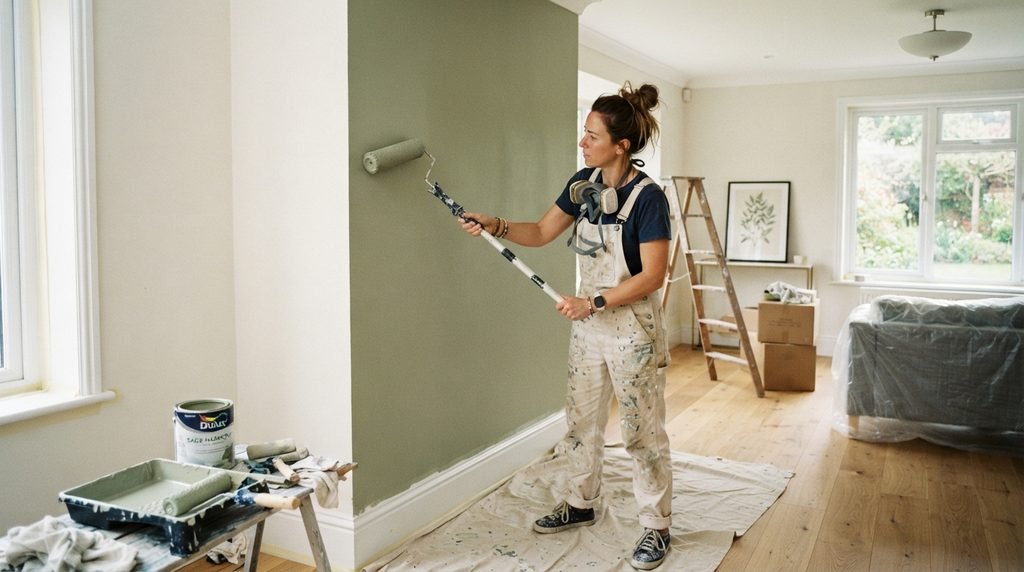
Savings rarely come from cheaper paint. They come from choices made before anyone opens a tin. Every change after you accept a quote adds time, and time is what you pay for.
- Paint the rooms that need it first. A scuffed hallway matters more than a spare room nobody uses.
- Group suitable work into one visit. Painters set up, protect floors and clean up each time they arrive.
- Avoid scope changes. Adding ceilings or doors halfway through is a common reason the final invoice differs from the quote.
- Prepare before the start date. A painter who spends the first hour moving furniture bills for that hour.
- Agree the full scope in writing. It protects both sides.
Before you request estimates, run through this planning checklist:
- Which rooms really need repainting this year?
- Are ceilings, doors, skirting boards and architraves included?
- Are you changing colours or refreshing what is already there?
- Is the property lived in, rented or empty?
- Who will clear the rooms and arrange access?
- Do you already know about cracks, stains or peeling paint?
Give every painter the same answers and your interior painting cost estimates will be far easier to compare.
Should You Paint the Whole House or One Room at a Time?
A whole-house job is not always cheaper, and a staged approach is not always wiser. It depends on how you live in the home.
Painting everything together suits empty or lightly furnished properties. The crew sets up once, works through the rooms in order and finishes with a single clean-down. It also keeps finishes consistent from room to room.
Staging suits occupied family homes where bedrooms and living areas must stay usable. You might repaint the main bedroom and hallway now and leave the study for next year. The trade-off is that each separate visit means fresh setup, protection and travel, which can push up the interior painting cost per room.
Access matters too. In a Melbourne apartment with a lift booking system or a tight stairwell, moving furniture in stages may be harder than clearing it once. For landlords, the best window is usually between tenancies, when rooms are empty and nobody is disrupted.
How to Compare Interior Painting Quotes Without Overpaying
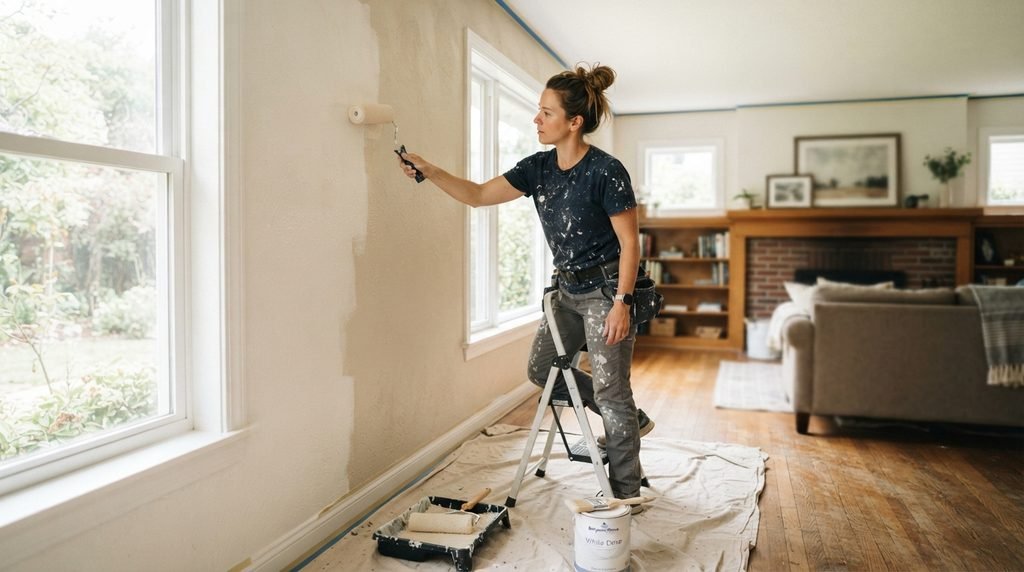
Two quotes for similar homes can differ for good reasons. One may include ceilings and trim while the other covers walls only. One may allow for patching and sanding while the other assumes the surfaces are sound.
Many homeowners search for the cost to paint house interior spaces, or type in how much it costs to paint a house interior, hoping for a single number. A number only means something when you know what sits behind it. Ask each painter to confirm:
- Which rooms and surfaces are included
- Whether ceilings are painted along with the walls
- What preparation and repairs are covered
- Whether primer is included and how many coats are planned
- The paint product and finish
- Doors, skirting boards and architraves
- Furniture protection and clean-up
- Exclusions, payment terms and warranty conditions
A written, itemised quote makes real savings easy to spot. A low total with vague wording often hides gaps that cost more to fix later, so ask for a breakdown if the detail is thin. Compare like with like first, then decide. To see how a typical job is structured, our interior painting services in Melbourne page sets it out.
Can You Reduce Interior Painting Cost With DIY Preparation?
Yes, in a limited way. The safest savings come from jobs that need no painting skill:
- Removing small personal belongings
- Clearing accessible work areas
- Taking down lightweight wall decorations
- Arranging furniture moves in advance
- Confirming access and parking for the crew
Repairs, sanding and priming are different. Poor patching or the wrong primer can show through the final coat and force the painter to redo the work, which adds to your interior painting cost instead of cutting it. Ask which tasks the painter wants you to handle and follow their instructions. For a bigger refresh, our guide to planning an interior repaint covers the process.
How to Choose Paint Without Increasing Your Budget Unnecessarily
Paint affects the total in two ways: the product itself and the labour needed to apply it.
- Match the paint to the room. A hallway or kids’ bedroom needs a finish that handles scuffs and wiping. A guest room rarely does.
- Limit unnecessary changes. Going from dark to pale often needs extra coats, and feature walls add cutting-in time.
- Confirm the product and coats. Ask what will be applied and how many coats are allowed, so the interior paint cost in each quote is comparable.
- Think about cleaning. A washable finish suits busy areas, though not every room needs one.
- Test before you commit. Put sample pots on the wall and check them in morning and evening light. Changing your mind on a swatch is free. Changing it mid-job is not.
Settle on your interior paint colours early and stick to them. Premium paint isn’t automatically the better buy, and it doesn’t always reduce overall interior painting costs. For product and finish details, read our guide to choosing the right interior paint.
What Unexpected Expenses Should You Allow For?
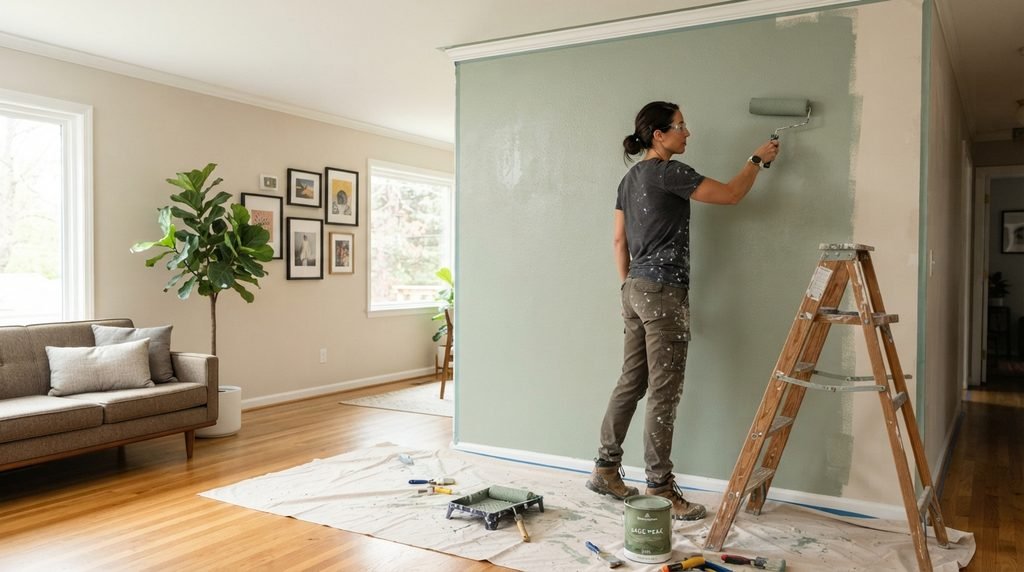
Surprises are the main reason interior painting projects end up costing more than the first estimate. A realistic budget for interior painting cost starts with the condition of your walls, and some problems only show once a painter inspects them closely. Allow room for:
- Damaged plaster or extensive wall repairs
- Water stains that need investigating and proper treatment
- Peeling paint or adhesion problems
- High ceilings or difficult access
- Extra surfaces found during inspection
Older Melbourne homes often need more wall preparation than newer builds, so ask for an on-site inspection rather than a quote based on photos alone.
One point deserves plain words. Painting over an unresolved moisture problem is not a saving. The stain returns, the paint fails and you pay twice. Fix the cause first.
Ways to Manage Interior Painting Budgets for Rental and Commercial Properties
For rentals, prioritise areas that show wear, such as entry halls and living rooms, and leave rooms in good shape alone. Coordinate access between tenancies so painters are not waiting on keys or inspections. Confirm the required finish with the owner or property manager before anything is ordered. Keeping that scope tight keeps the interior painting cost predictable from one tenancy to the next.
For offices and shopfronts, scheduling drives the budget. After-hours or staged work can protect trading, but it changes how the job is planned. Agree the scope, access and working hours before anything starts. The commercial interior painting cost depends on those arrangements as much as on floor area, so settle them early. If you manage a business premises, a clear commercial interior painting cost discussion at the quoting stage avoids disputes later. Our commercial painting service page explains how these projects run.
When Is Hiring Professional Interior Painters Better Value?
DIY is not always cheaper, and hiring a crew is not always the thrifty option. The real comparison is upfront spending against your time, equipment and the risk of corrective work.
Professional interior painters tend to be more practical when:
- The project spans several rooms
- Ceilings are high or access is awkward
- Preparation is significant
- You have a tight deadline
- Finishes need to match across rooms
A single small bedroom with sound walls may suit a confident DIYer. A whole floor with patching and stairwell walls is another matter. Count your own time, ladder hire and the price of redoing mistakes before you decide. Those hidden items can change the real interior painting cost of a DIY job.
Plan Your Interior Painting Project With Sam Simon Painters
If you want clarity before committing, ask for a written quote. It sets out the work involved, the preparation, the paint specifications and the total scope, so you can judge the interior painting cost against any other offer. Our interior painting services and residential painting services cover homes across Melbourne.
Request a painting quote and we will go over your property’s needs and put together a clearly defined scope of work.
Frequently Asked Questions
How can I reduce interior painting cost in Melbourne?
Decide which rooms truly need painting, agree the full scope in writing and clear the space before the crew arrives. Compare itemised quotes rather than totals. Anyone asking how much it costs to paint a house interior should first confirm what each quote includes.
Is it cheaper to paint one room or the whole house?
Not always. Separate visits add setup and travel each time, while a whole-house job needs more upfront spending. Your budget, furniture access and whether the home is occupied should decide which approach suits you.
Can preparing a room before painters arrive reduce costs?
Yes. Clearing furniture, removing small items and sorting access means the crew can start painting sooner, which keeps the interior painting cost down. Leave repairs, sanding and priming to the painter unless they ask you to handle them.
How do I compare interior painting quotes?
Check that each quote covers the same rooms, surfaces, preparation, primer, coats, paint product and clean-up. Then compare exclusions, payment terms and warranty conditions. An itemised written quote makes differences clear.
Should I buy paint myself or let the painter supply it?
Ask the painter first. Supplying paint yourself can cause problems if the product, finish or quantity is wrong for the surface. Compare the interior paint cost they quote against your own before deciding.
Can changing paint colours increase the cost of a project?
It can. A dramatic shift, such as dark to pale, often needs extra coats, and feature walls add detail work. Settling your interior paint colours before the quote helps keep the scope fixed.
Is DIY interior painting worth it for a large house?
Often not. Large projects mean more time, equipment and preparation, and mistakes are costly to correct. DIY suits small, simple rooms. For several rooms, high ceilings or tight deadlines, experienced interior painters are usually more practical.
What should be included in an interior painting quote?
A good quote lists the rooms and surfaces, preparation and repairs, primer, number of coats, paint and finish, protection and clean-up. It should also state exclusions, payment terms and warranty conditions in writing so the interior painting cost is clear from day one.