Introduction
Many people ignore their floors until a problem appears. The garage slab is stained with oil, the pool surround turns slippery after rain, or the patio concrete has gone chalky and patchy. Epoxy sand floor paint can fix all three, because it adds grip, strength and a cleaner look in a single coating.
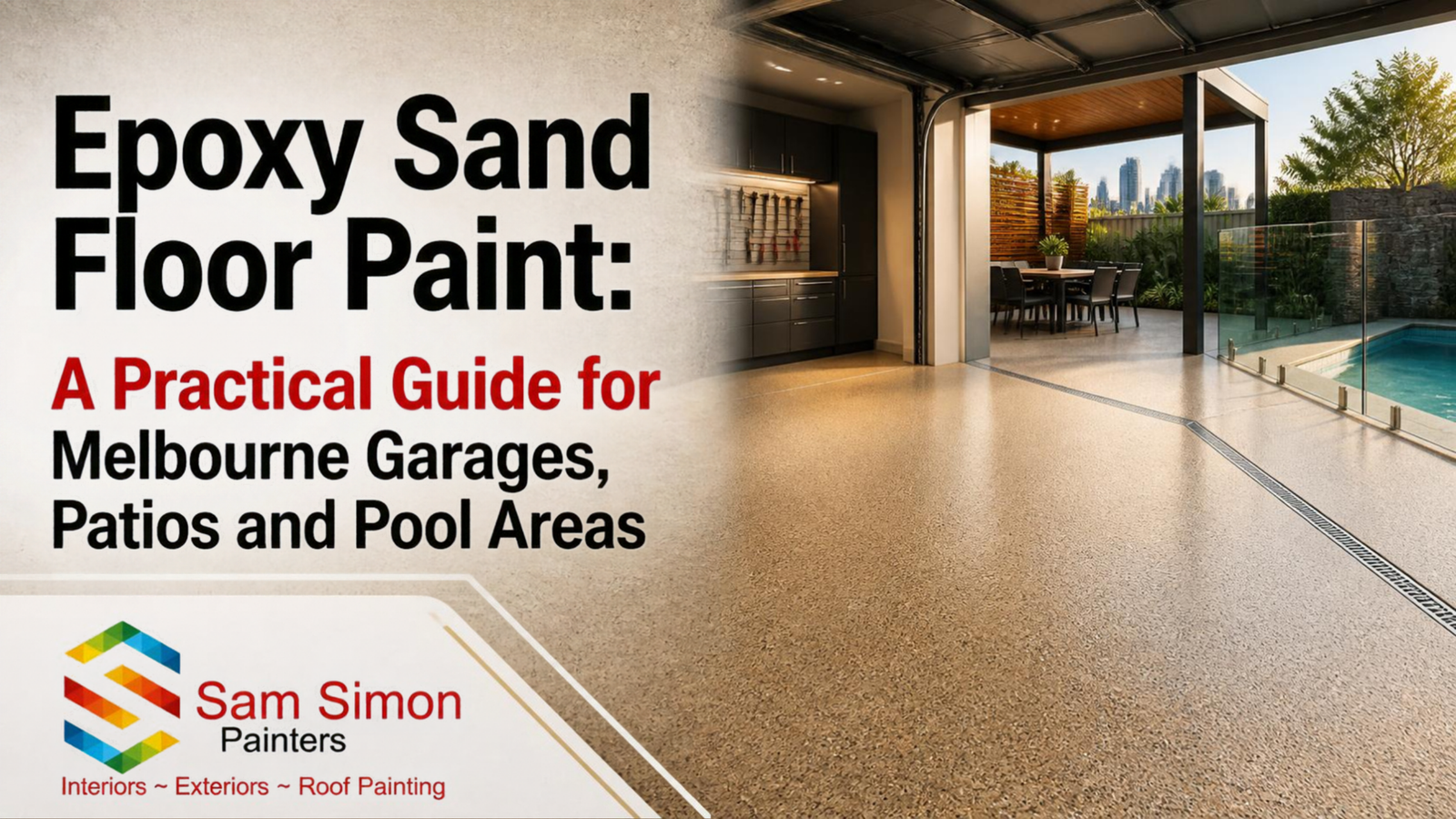
This guide explains what the product is, where it works well, how a proper application is done and what to check before you hire anyone. It covers home garages, outdoor areas and commercial entries.
What Is Epoxy Sand Floor Paint?
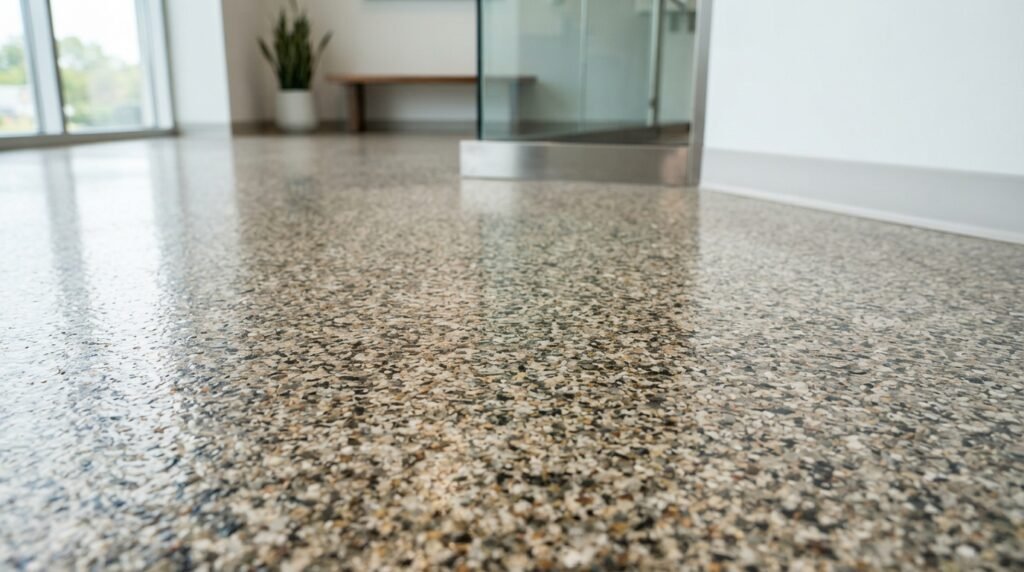
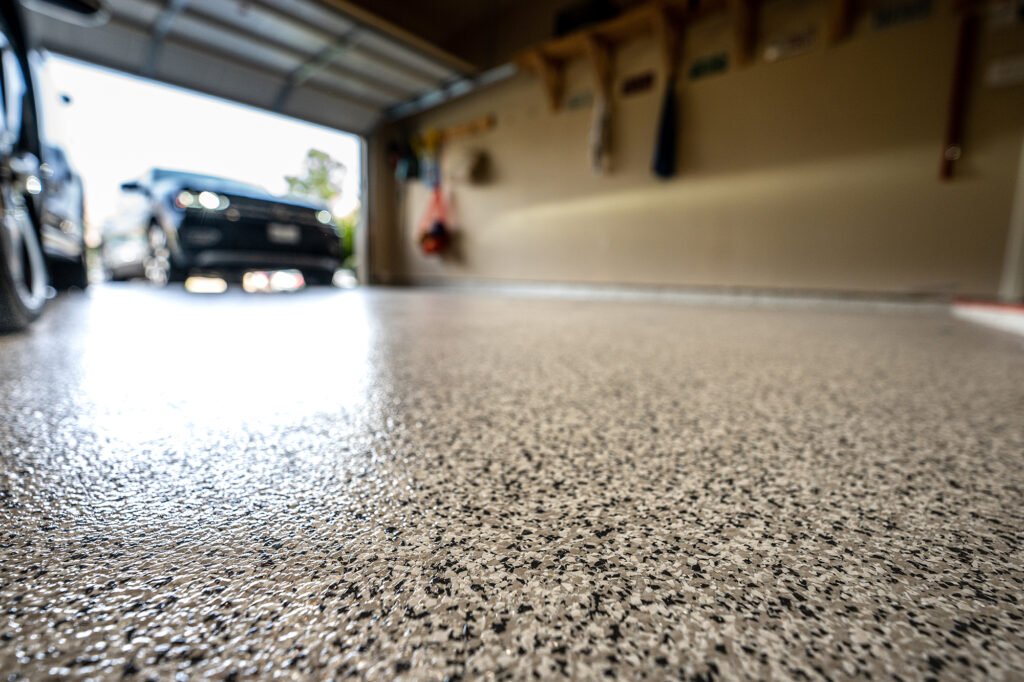
Epoxy sand floor paint is a two-part epoxy coating with fine sand or aggregate mixed into or scattered over the surface. The epoxy forms a hard, sealed layer on the concrete, and the sand adds a light texture that gives shoes and tyres something to grip.
Suppliers and product listings often call it epoxy sand flooring paint. The term describes the same thing. If a floor feels slightly gritty and looks matte instead of glossy, the sand is doing its job.
Plain epoxy looks good but becomes slippery when wet. Adding sand solves that problem without making the floor too rough to clean.
Why Choose Sand-Textured Epoxy Over a Standard Coating?
A smooth gloss epoxy suits a dry showroom or a tidy workshop. Most homes and many commercial spaces are less controlled. Water, oil, wet shoes and car tyres all reduce traction on a glossy surface.
A textured finish offers several advantages:
- Better grip in wet or damp areas
- Less visible wear, because the texture hides scuffs and tyre marks better than a mirror finish
- A sealed surface that does not absorb spills the way bare concrete does
- A more even appearance, which covers old patches, stains and uneven colour in the slab
Epoxy also bonds more firmly than ordinary floor paint and resists chemicals better.A properly prepared and applied epoxy system can resist hot tyre pickup and everyday garage wear. Compared with tiles, it has no grout lines to trap dirt, and it can be applied over an existing slab without demolition.
Where It Works Best
Garages. This is the most common use. A good garage floor paint epoxy system resists hot tyre marks, oil, brake fluid and everyday grime. If you have scrubbed the same stain for years, the difference is obvious once the coating is down.
Pool surrounds. Wet feet on smooth concrete are a real hazard. A sand-textured coating improves traction and seals the surface against pool chemicals and moisture.
Patios and alfresco areas. Outdoor concrete deals with sun, rain and large temperature swings. The right coating cleans up its appearance and makes the surface safer underfoot.
Driveways and entries. Light vehicle traffic is fine on a well-prepared slab. Product choice matters more outdoors than it does inside a garage.
Commercial entries, loading areas and workshops. Any space where people walk in wet conditions or equipment moves across the floor benefits from a textured finish.
Coloured Sand: The Decorative Option
Epoxy colored sand floor paint uses tinted aggregate in place of plain sand. The result is a speckled, stone-like finish that adds character and keeps the anti-slip benefit.
This finish is popular around pools, on outdoor entertaining areas and in cafés or shops where the floor is part of the design. Colour choice matters more than most people expect. Lighter tones show less dust and stay cooler in the sun. Darker tones hide dirt and oil but can get hot underfoot in summer. Ask to see a sample in natural light before you decide, because a swatch under shop lighting shows very little.
Choosing the Right Level of Texture
Different areas need different amounts of grip. A fine texture is comfortable on bare feet and easy to sweep, so it suits patios and internal garages. A coarser texture grips better in wet or heavily used areas but is harder to clean and rougher on the skin.
A few simple guidelines help:
- Pool surrounds and wet entries usually need a medium to coarse texture.
- Garages work well with a fine to medium texture, which balances grip with easy cleaning.
- Areas where children play barefoot suit a finer finish.
Tell your contractor how the space will be used and ask to see a finished sample. Texture is simple to get right at the start and annoying to change later.
How the Application Should Work
The coating is only part of the job. The result depends heavily on the preparation. A proper epoxy concrete garage floor job usually follows these steps:
- Inspect the slab. Check for cracks, damp, old coatings, oil contamination and loose or flaking areas.
- Grind the surface. Mechanical grinding opens up the concrete so the epoxy can bond. Acid etching or a quick sweep is not a substitute.
- Repair and fill. Cracks, chips and holes are filled and levelled so they do not show through the finish.
- Apply a primer. A suitable primer improves adhesion and helps seal the concrete.
- Apply the epoxy base coat. The epoxy is rolled or squeegeed on evenly.
- Add the sand or coloured aggregate. It is scattered over the wet epoxy or mixed in, depending on the system and the look you want.
- Seal with a topcoat. The topcoat locks in the texture, adds protection and makes the surface easier to clean.
- Allow proper curing. Foot traffic comes first, then light use, then vehicles. Rushing this stage is a common reason coatings fail early.
If a contractor skips the grinding or tries to talk you out of it, treat that as a warning sign.
Melbourne Conditions to Plan Around
Melbourne’s weather can change several times in one day, and that affects epoxy work. Cold or damp conditions slow curing and can leave a cloudy or uneven surface. Very hot days make the epoxy set too quickly, which leaves less time to spread the sand evenly.
Outdoor slabs also face strong UV, heavy winter rain and ground moisture. For this reason, outdoor areas need a UV-stable topcoat and good drainage. A careful contractor also checks the forecast before booking a day. Anyone who offers to coat a wet or freshly rained-on slab is cutting corners.
Common Reasons Epoxy Floors Fail
Most failures come from a short list of avoidable problems:
- Moisture in the slab. Rising damp can make the coating bubble or peel. A moisture test before work begins is a worthwhile precaution.
- Poor preparation. Concrete that is ungrounded or oily will not bond properly.
- The wrong product for the location. Some epoxies fade or chalk in direct sun, so outdoor areas need a UV-stable system.
- Bad application conditions. Very cold, hot or humid weather affects curing.
- A rushed cure. Parking a car on a floor that is not ready can leave marks or lift the coating.
What to Ask Epoxy Garage Floor Contractors
When you compare quotes from epoxy garage floor contractors, the answers to a few questions will tell you more than the quote itself:
- How will you prepare the surface, and will you grind it?
- Do you test for moisture before coating?
- Which system will you use, and is it suitable for this location, such as a garage, an outdoor area or a wet zone?
- Is a UV-stable topcoat included for outdoor work?
- How long before we can walk on the floor, and when can the car go back in?
- What does the written warranty cover, and what voids it?
- Can I see photos of similar completed jobs?
A reliable contractor answers these questions clearly. Vague answers usually point to vague workmanship.
Is DIY a Realistic Option?
Hardware-store kits are available, and some people get decent results on small, clean, dry slabs. The main problem is preparation, which is where most DIY jobs go wrong. Floor grinders are difficult to hire or borrow, and the thin coatings in many kits wear out faster than professional systems.
If your slab is in good condition and you are willing to prepare it carefully, DIY epoxy garage paint can work for a lightly used space. For a double garage, a pool area, an outdoor slab or any floor you want to last, professional application is usually the safer choice.
Looking After the Finished Floor
Epoxy floors need little maintenance, but they are not maintenance-free:
- Sweep or blow off dust and grit regularly, because grit scratches the surface like sandpaper.
- Mop with a mild, pH-neutral cleaner instead of harsh solvents or strong acids.
- Wipe up chemical spills, such as brake fluid or battery acid, promptly.
- Place mats at doorways to reduce the dirt carried onto the floor.
- Inspect outdoor areas from time to time for wear along busy paths.
With sensible care, a well-applied coating can look good for many years.
Frequently Asked Questions
Is epoxy sand floor paint slippery when wet?
It is much less slippery than smooth epoxy or polished concrete. The amount of grip depends on the grade and quantity of sand used. If the area will be wet, tell your contractor and ask about the slip resistance of the finish.
Can it be applied over existing paint or tiles?
Sometimes. Old coatings usually need to be removed or properly abraded first, and tiles need specific preparation and a compatible primer. Only a site inspection can confirm what your floor needs.
Will hot tyres damage it?
Quality epoxy systems are designed to resist hot tyre marks. Thin or low-grade coatings are far more likely to lift, which is why product quality and preparation matter.
Can I use it outdoors?
Yes, as long as the system is made for outdoor use. Standard epoxy can yellow or chalk in UV light, so a UV-stable topcoat is essential.
How long does the job take?
A typical garage is often finished within a few days, including curing time. The exact timing depends on the condition of the slab, the weather and the system used. Full readiness for vehicles and chemicals can take longer than the application itself.
What is the difference between epoxy sand flooring paint and coloured sand epoxy?
Epoxy sand flooring paint is the general term for an epoxy with textured aggregate. Coloured sand epoxy is the decorative version, which uses tinted aggregate to create a speckled look.
Conclusion
Epoxy sand floor paint is a practical upgrade for any concrete floor that needs to be safer, tougher and easier to clean. The material matters, but preparation, the right product for the location and careful application matter more.
If you are planning work on a garage, pool area or patio in Melbourne and want honest advice based on your actual slab, Sam Simon Painters offers free on-site quotes. The team inspects the surface, explains the options in plain language and recommends a system that suits how you use the space. Get in touch to find out what your floor really needs.