Introduction
Dated orange or brown brick can make a good home look older than it is. Paint seems like an easy fix, but brick absorbs water, hides damp and holds onto old coatings, so a rushed job can blister within a season. This guide to brick wall painting helps Melbourne homeowners decide whether their brick suits paint, prepare it properly and choose the right products for outdoor walls. It also explains when a professional is the safer choice.
Should You Paint Your Brick in the First Place?
The upsides and the trade-offs
Paint can freshen dated brick, unify mismatched extensions and add a layer of weather protection. It also changes the wall for good. Painted brick is very hard to return to its original face, dirt and mould show up more easily, and the paint will need renewing in time. Brick wall painting works best as a long-term decision, so be sure you like the result before you start.
When to wait
Hold off if the wall is damp, the bricks are crumbling or the mortar is failing. Fix the cause first, then think about colour.
Heritage controls matter too. In Melbourne, a Heritage Overlay can restrict work on the outside of your home. Councils such as Yarra explain that a planning permit is needed to paint an unpainted exterior surface where the overlay has external paint controls. Bare brick fits that description. Rules vary between councils, so read the Yarra City Council heritage painting guide as an example, then confirm your own property’s overlay before you buy any paint.
Older homes call for a second check. Dulux warns that disturbing old paint with hand or power tools can create a serious lead hazard. Its lead in paint advice is worth reading if the brick, or any trim besides it, has old flaking paint. Painting over sound paint is very different from sanding it back, so get advice before you scrape anything.
Check Your Brick Before You Start
Moisture, salts and cracks
Moisture is the biggest threat to painted brick. Look for damp patches, bubbling paint, white powdery salt deposits (efflorescence) and green growth near the base of the wall. These signs often point to a leaking gutter, soil piled against the wall or rising damp. Paint cannot fix any of them. It will simply peel, so repair the source and let the wall dry fully.
Check the mortar as well. Hairline cracks and small gaps can be filled before painting. Wide or stepped cracks may mean the structure is moving, which calls for a builder’s opinion before any paint goes on.
Brick veneer, double brick and painted brick
Many Melbourne homes are brick veneer, with a brick outer skin over a timber or steel frame, while others are double brick. Either type can be painted if the brick is sound and dry. How thirsty the surface is matters more. Splash a little water on the wall. If it darkens and soaks in quickly, expect to need a sealer or an extra coat.
Previously painted brick needs a different check. If the old paint is firmly attached, a thorough clean may be enough. If it is chalky, flaking or bubbling, the loose paint has to come off first.
How to Paint a Brick Wall: Step by Step
Brick wall painting goes best when you follow these steps in order.
- Clean the surface. Brush off loose sand and crumbling mortar with a stiff brush, then wash the wall with water and mild detergent. Treat any mould and give the wall time to dry. That can take days, depending on the weather.
- Repair defects. Fill holes and cracks, and fix any failing mortar. Painting over defects only hides them for a short while.
- Seal or prime if needed. Sound brick often does well with a self-priming exterior paint. Powdery or crumbling brick needs a sealer to bind the surface first. Always follow the product label.
- Apply the first coat. Use a roller with a thick nap for the textured face and a brush to work paint into the mortar joints. Work from the top down.
- Add a second coat. Brick is porous, so most walls need at least two coats for an even finish. Allow the recoat time listed on the label.
Timing also matters. Our guide to painting the outside of a house in Melbourne covers weather and seasons, so check it before you pick a start date.
Choosing Paint for Outdoor Brick
Paint for outdoor brick has to cope with sun, rain and Melbourne’s sudden temperature swings. Interior paint is not built for that, so choose a water-based acrylic made for exterior masonry. Look for a product that lets moisture vapour escape, because a coating that seals too tightly can trap water in the wall and cause blistering.
Sheen changes both the look and the result. Low-sheen and matte finishes hide small variations in brick and mortar, while gloss highlights every flaw. Dulux and Haymes both make exterior ranges, and your paint supplier can recommend a system for your brick.
You also need to choose between paint and limewash or whitewash. Paint forms a film over the surface and gives solid, even colour. Limewash and whitewash are thinner and soak into the brick, so more of the texture shows through, but the look is softer and less uniform. Decide which effect you want before you buy. For the full exterior, see our exterior painting service in Melbourne.
White Brick Wall Painting and Other Colour Ideas
Colours that work
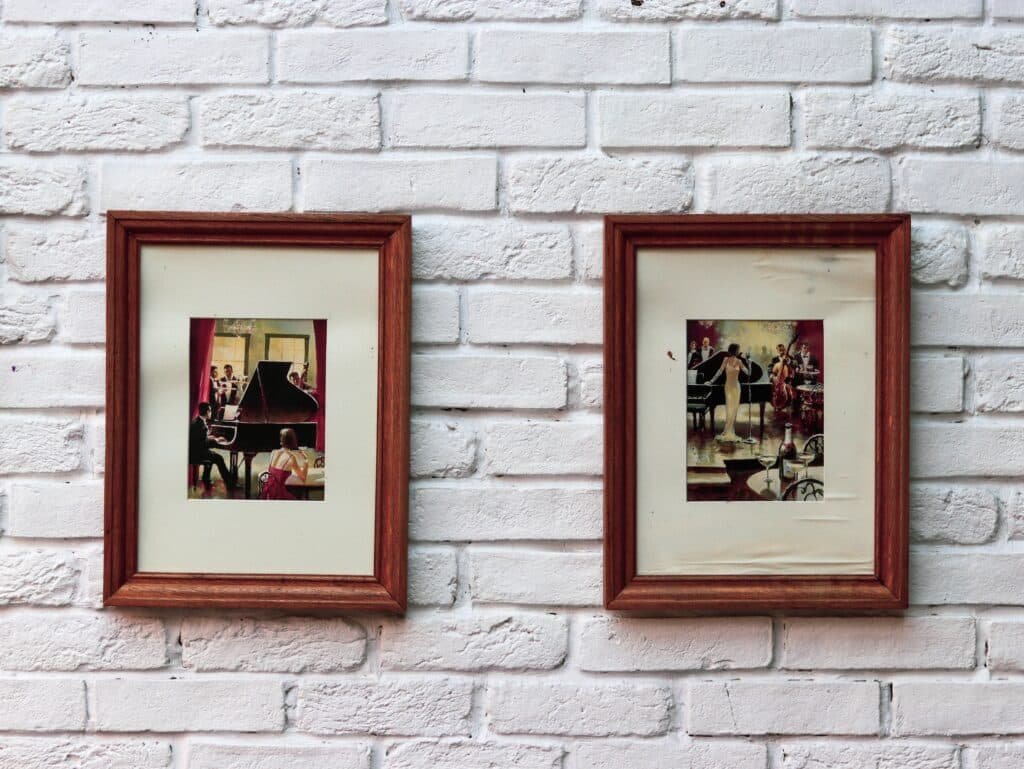
White brick wall painting gives a clean, bright look that suits many home styles. White shows dirt and rain marks, so choose a warm white and plan to wash the wall now and then. Soft greys and charcoal feel more modern and pair well with dark window frames.
Look at what surrounds the brick. The roof, gutters, fences and window frames all affect which shades sit well together. Buy sample pots, test them on the wall itself and check them at different times of day. If you feel unsure, our colour consultation service can help you choose before work begins.
Interior brick wall painting ideas
Brick wall painting ideas are not limited to the outside. Feature walls, laundries and fireplace surrounds are common choices. Indoors, the steps are similar: clean the brick, prime it and apply two coats of interior acrylic. Near a fireplace or other heat source, check the paint label first. For more indoor inspiration, read our interior paint ideas for every room, or see our interior painting service.
Spray Painting Brick Walls: When It Makes Sense

Brick spray paint applied with a proper sprayer can cover rough texture and deep mortar joints quickly and evenly, so spraying suits large walls better than a roller alone. It needs careful setup, though. Windows, doors, plants and neighbouring surfaces must be masked, and wind can carry overspray further than you expect.
Aerosol cans are a different matter. They suit small touch-ups, not a whole wall. For larger jobs, read about our spray painting service and our airless spray painting guide.
DIY or Hire a Painter?
Small brick wall painting jobs within easy reach, such as a low garden wall, are reasonable DIY projects. Hire a professional when the job involves height, a large area, a damp problem, an older home that may contain lead paint or a property with heritage controls.
Costs vary with wall area, access, the condition of the brick, repairs, the number of coats and the product. When you compare quotes, check what each one includes instead of looking only at the total. At Sam Simon Painters, every job starts with a free quote or on-site assessment, and you receive a written quote. Once you accept it, the price stays fixed. For more on exterior price factors, see our post on painting outside of a house in Melbourne.
Frequently Asked Questions
Can you paint exterior brick in Melbourne?
Yes, if the brick is sound and dry and no heritage restrictions apply. Check your council’s overlay details first, then prepare the surface properly.
Do I need to seal brick before painting?
Not always. Sound brick often does well with a self-priming exterior paint. Powdery or crumbling brick usually needs a sealer first. Follow the product label and your painter’s advice.
What is the best paint for outdoor brick?
A water-based exterior acrylic made for masonry is the usual choice, preferably one that lets moisture escape. Match the product to your surface and how much weather it faces.
How long does painted brick last?
There is no single answer. Preparation, paint quality, sun exposure and colour all play a part. A clean, dry, well-prepared wall with a suitable paint will outlast a rushed job, and regular washing helps it keep its look.
Can I spray paint a brick wall?
Yes, with a proper sprayer and careful masking. Spraying works well on textured brick and large areas. Aerosol cans only suit small touch-ups.
Do I need a permit to paint brick in a heritage area?
You might. In a Heritage Overlay with external paint controls, painting an unpainted surface can need a planning permit. Contact your local council to check before you start.
How much does brick wall painting cost in Melbourne?
The price depends on the wall size, access, the brick’s condition, repairs and the paint system. A written quote after an on-site visit is the only reliable way to get a figure for your home.
Final Thoughts
Successful brick wall painting depends on what happens before the first coat. Check the moisture, confirm any heritage rules, prepare the surface properly and use a paint made for outdoor masonry. With those steps covered, painted brick can look fresh and hold up well.
If you would like a professional opinion, Sam Simon Painters offers a free quote or on-site assessment across Melbourne. Contact us or call +61 422 013 132 to talk through your walls.