Introduction
Eventually, most homeowners come to the point where the walls are no longer fresh. Repainting house interior can transform the ambience of a residence, brightening rooms, wiping away years of scuffs and marks and providing every space a fresh start that can’t be achieved via cleaning or decorating. However, there is much more to it than selecting a new colour and opening a tin of paint.
House interior wall repainting, though, is a process that can’t be rushed, with the right preparation and surface inspection done, the selection of the right product, and careful application to achieve the proper look and lasting finish that is not seen as “tired” again within a year.
What Is Involved in Repainting a House Interior?
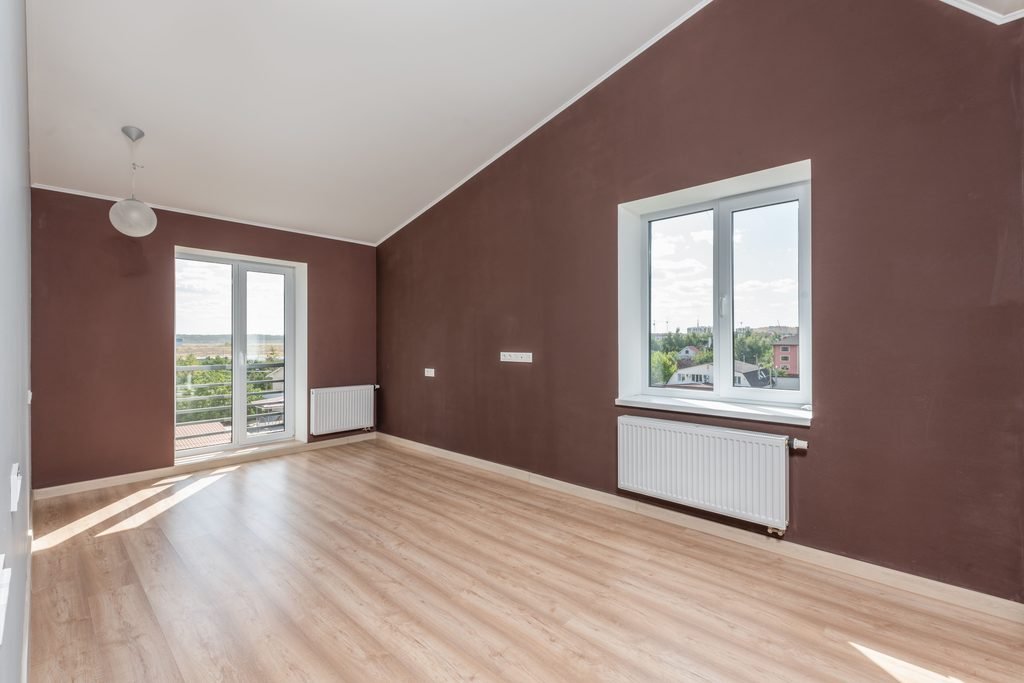
For many people, house interior painting looks like a simple task they’d like to do, but before they reach for their brushes for the first time, they will have quite a bit of work to do. The first step in a complete interior paint job is to check the walls for damage and thoroughly clean surfaces, then fill holes and imperfections, sand rough sections and prime the surface with an appropriate coat before finally applying the topcoat.
The level of preparation necessary for repainting interior surfaces of the home varies depending upon each wall’s condition. A new paint job is not the same as an old Melbourne house that has poorly maintained walls, weak paint adhesion or decades of surface problems that need to be fixed first before a new paint job is applied on the walls.
Painting Interior Walls: Getting a Better Finish
Whether painting interior walls in a living room, bedroom or bathroom, and whether using varnished, stains or painted surfaces, the following basic rules apply. The single most important thing that makes the difference between how the final coat looks and the length of time it remains good looking on any residential property is its preparation.
It’s easy to rush through steps when you’re excited to be done and finish each coat before the next begins to dry, but it will actually impact the quality of the finish. It’s a good idea to double check the wall before the shoot is called over, both in natural and artificial lighting, to pick up on missed areas and uneven coverage that can be easily overlooked when working in just one light environment during the shoot day.
DIY Repainting House Interior: Is It Worth Doing Yourself?
Repainting house interior An honest appraisal of both sides is to be made before embarking on an all-too-familiar process of having an interior space of the house repainted as a DIY project, as it can turn out to be much longer and more expensive than first thought.
Advantages of DIY Repainting House Interior:
- Complete autonomy over the timing, pace and scheduling of the project.
- Fit into a single room or simple space for which there are few preparation needs.
- Possibility for cost reductions in the home labour costs on smaller manageable projects.
- Catered to homeowners who really like hands-on enhancement tasks and have a reasonable degree of experience.
Disadvantages of DIY Repainting House Interior:
- Considerable preparation, painting and clean up time.
- Rollers, brushes, drop sheets, masking tape and primers can really pile up when you add up all these costs.
- Workload is always higher than anticipated, especially on Melbourne homes built before 1990.
- It is very challenging to get a consistent finish without experience.
Don’t assume that DIY is cheaper just because you’re saving money on hiring out materials or equipment, or that you don’t have to pay for your own time on the job.If you really think about it, hiring out materials or equipment is not inherently more expensive than buying them, nor is paying for one’s own time on the job..
Professional Repainting House Interior: What Do Painters Do Differently?
The only difference between house interior care done professionally and DIY is the process as well as experience; it is not just about the better tools. A professional painter takes a systematic approach to each painting job and often can paint more properties, with more uniformity and results, than most homeowners can do on their own.
- What professionals do in an interior painting house project in a repainting house that is different from the others:
- Systematic surface preparation including cleaning, filling, sanding and priming as necessary.
- Protection of floors, skirting boards, fixtures and furniture at all times.
- Practice, practice, practice has led to the development of application technique on a variety of Melbourne residential properties.
- Efficiently sequencing a number of rooms, without unnecessarily interrupting the day to day routine of the household.
- Final quality inspection under different lighting conditions prior to project handover and sign-off.
Why Professional Surface Preparation Matters
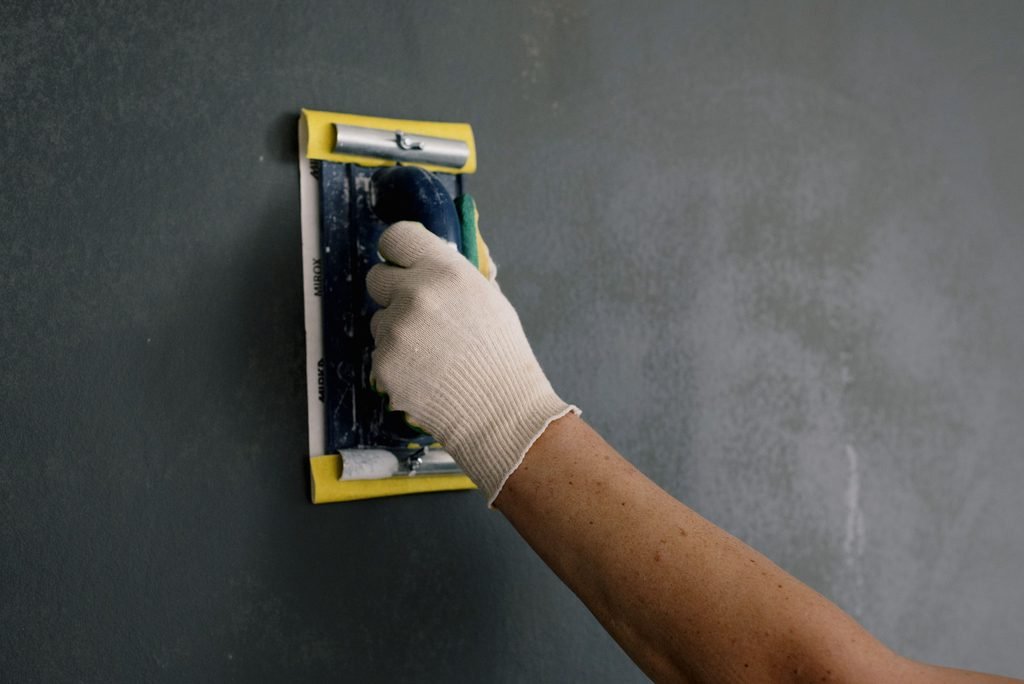
It is easy to see 12 months after the house has been in use that professional painters spend a lot of the time they work on a project preparing the surface rather than painting it.
Professional interior house painting involves cleaning walls of grease and residue, filling all cracks and holes with the proper filler, sanding rough and patched spots smooth, stripping away peeling paint from unstable surfaces and applying the proper primer before the first coat of paint is applied. The condition of the surface under the paint is the first part of any repainting house interior project to get the job off to a quality start. The number one most prevalent cause of poor results with interior painting on Melbourne homes of all ages and styles is skips or rushing in preparation.
DIY vs Professional Painting: Which Option Should You Choose?
| Factor | DIY | Professional |
| Labour | Homeowner does all the work | Painter handles all labour |
| Time | Depends on homeowner availability | Managed to a clear schedule |
| Preparation | Homeowner handles all preparation | Preparation included in service |
| Equipment | Homeowner supplies or hires | Painter provides what is needed |
| Finish quality | Depends on experience | Based on painter’s workmanship |
| Project size | Practical for smaller jobs | Better suited to larger projects |
| Convenience | Requires significant personal time | Less hands-on for homeowner |
DIY tends to suit smaller, straightforward repainting house interior projects where the homeowner has adequate time, reasonable confidence, and surfaces in good condition requiring minimal preparation. For larger Melbourne homes, multiple rooms, larger surfaces that require extensive preparation and when time is limited and a consistent, high-quality finish is all-important, professional painters make more sense.
Interior Repaint Cost: What Should You Budget For?
The interior repaint cost of any repainting house interior project is influenced by far more factors than just the number of rooms it involves. The size of the painting job, ceiling height, condition of walls, preparation, the number of coats, paint quality, and the number of different colours all have a significant impact on the overall investment.
The repainting house interior cost can be influenced by the following factors:
- Overall total area of walls and ceilings to be painted on the entire property.
- Surface condition and requirements for surface preparation or repairs.
- Colour change and existing surface colour determines number of coats needed.
- Type and quality of paint chosen — high quality paint will last much longer, but will be a higher purchase.
- Doors and trims included in a quote vs. not included.
- Number of colour changes — each colour change contains masking, set-up, and transition time.
- Access challenges such as stairs, ceiling and confined access areas.
Common Mistakes to Avoid When Repainting House Interior
There are several common pitfalls to avoid if you want to repainting house interior.
- A number of common pitfalls tend to diminish the quality of any repainting house interior project, whether it’s the homeowner’s or that of an inexperienced operator.
- If walls are dirty, the paint will not adhere, and will fail quickly.
- If these repairs are not done and the surface is not sanded, they will be obvious when painting on top of them.
- If the wrong paint is used in the room (non-washable in a kitchen, for example), this leads to maintenance issues.
- It can be often disappointing to choose colours by visualizing them without samples on the actual wall until the entire room is finished.
- Thick coats will result in paint drips, runs, and rough surface which is hard to fix after it dries.
- Not allowing drying time between each coat has an impact on adhesion and final topcoat appearance.
Why Choose Samsimon Painters for Interior Repainting?
Samsimon Painters have a preparation-centred approach to all repainting house interior paint jobs in Melbourne, recognising that the quality of the finish relies on the work done before the first coat of paint on any surface is applied in your home.
They ensure communication with all homeowners during the quoting and project phases, including providing the whole picture of what work is needed, helping with a range of paint options for each room, and actively caring for all Melbourne properties from initial preparation to having the final coat. When you get a quote in writing, everything will be clear when it comes to your own home.
Frequently Asked Questions
How often should you repaint a house interior?
Most repainting house interior every 5 to 10 years, depending on wear, sunlight exposure and how well the previous coat was applied.
What is the easiest way to paint inside a house?
Thoroughly prepare and apply using good quality rollers and brushes, and applying in manageable areas to ensure a consistent application.
How do I paint inside of house correctly?
The first thing you need to do is clean and prepare the surface, then cut in around edges, and then roll even sections of the main wall areas then apply a second coat.
How do I prepare interior walls before painting?
Clean surface, repair holes or cracks, sand rough surfaces and prime as necessary for the surface.
How much does an interior repaint cost?
The painting cost depends on the size of painting area, condition of wall surface and the type of paint, number of coats to be given, etc. so a written quotation would give the most accurate cost.
What is the price to paint a 4 bedroom house interior?
The price depends on the conditions of the walls, the height of the ceiling, the quality of the paint and the amount of preparation it requires, so it is best to get a quotation that is specific to each particular site.
What type of paint should I use inside my house?
Select for the room – washable finishes for kitchen, bathroom; softer finishes for bedrooms and living areas.
Is repainting house interior cheaper if I do it myself?
Repainting house interior not always cheaper because in addition to any savings in labour you have to consider materials and equipment, and of course your own time.
How long does it take to repaint a house interior?
The time varies depending on the size of the room and the preparation required, for one room it could take a day or two, and for an entire home, a couple of weeks.
Should I hire professional painters or paint the house myself?
This will depend on the time available, confidence in the work and size/complexity of the project.
Conclusion
Repainting house interior spaces can genuinely refresh both the appearance and condition of a home, but success depends heavily on preparation, suitable paint and careful application rather than the colour alone.
When the work is small, simple, and you have ample time and confidence to execute the work correctly, DIY can be effective. If you have a large house, multiple rooms in need of painting, surfaces that are hard to reach or if you are pressed for time, you will likely be better off hiring professional painters.
But the cheapest is not always the best value, so consider the condition of your property, the size of your project, the desired finish, the time you have to dedicate and the budget you have. Ready to refresh your home’s interior? Call SamSimon Painters to chat with them about the painting or refurbishment needs you have for your home and let them know of your needs so they could provide you with a quote.