Introduction
If you’ve walked around a Melbourne factory or warehouse lately and noticed faded walls, worn coatings, or the first signs of corrosion creeping in, you’re not alone. It’s one of the most common calls property managers make, and the instinct is usually the same: just repaint it. But industrial painting contractors will tell you the job is rarely that simple. Surface condition, the right prep work, coating compatibility, site access, and workplace rules all shape how a project actually gets planned and run.
This guide walks through how industrial painting contractors approach commercial and industrial jobs, covering preparation, coatings, application, cost, and how to pick the right team, so you know what to expect before reaching out to Sam Simon Painters for a quote.
What Do Industrial Painting Contractors Actually Do?

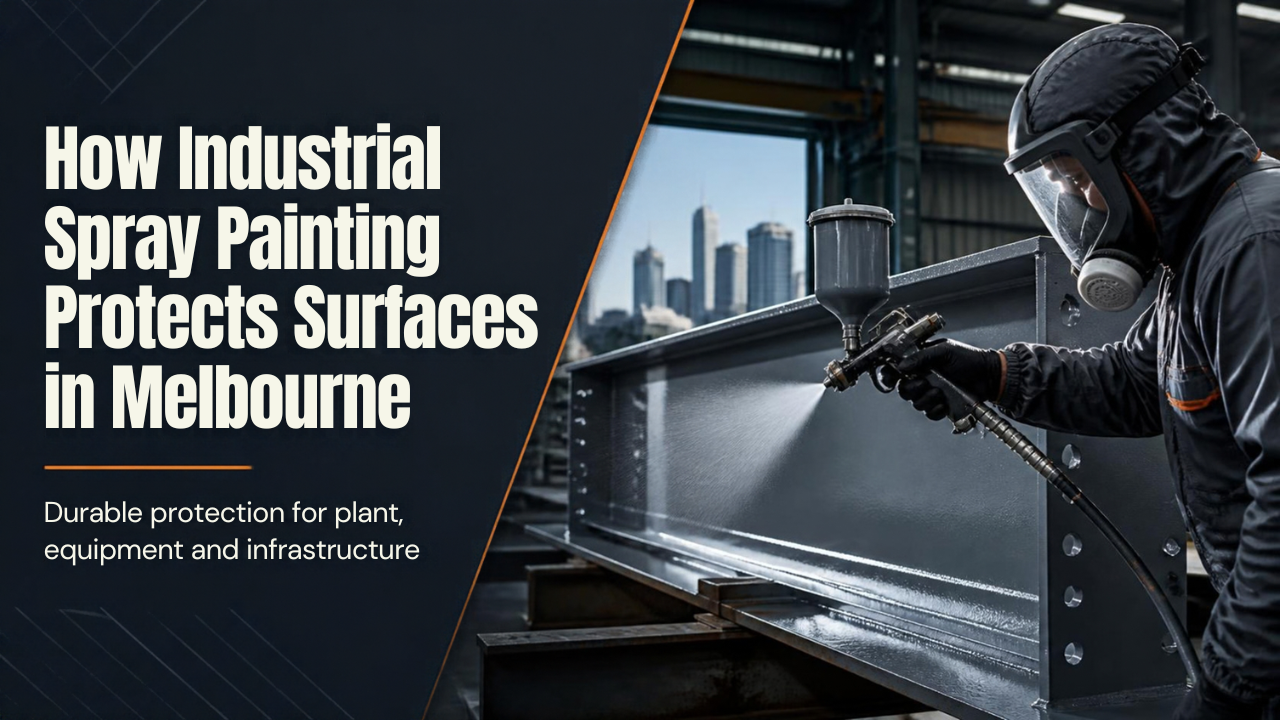
Industrial painting contractors take on large scale work that sits well outside the usual residential job. They protect and refresh factories, warehouses, workshops and other industrial buildings, covering interior and exterior surfaces, structural steel, and sometimes even machinery.
The scope tends to run much wider than a home paint job. These projects often call for protective coatings built to resist corrosion, moisture, or general wear and tear. Because the buildings involved are bigger and more complicated, commercial painters typically spend a lot more time on preparation, access planning, and choosing the right coating than a residential painter ever would.
There’s also a practical side to this work. Industrial painting contractors are used to working around live businesses, and they understand site safety and access requirements long before any paint goes on.
Which Industrial and Commercial Surfaces Get Painted?
Plenty of surfaces across a commercial or industrial site can need attention, including concrete walls, metal structures, steel beams and columns, factory and warehouse walls, ceilings, and doors. External areas, floors, and even selected machinery sometimes make the list too.
Not every surface behaves the same way under the same product, though. A concrete wall that sits in a damp environment needs a completely different system to a steel beam in a dry workshop. Industrial painting contractors match the coating to both the substrate and the environment it has to survive, which is why explaining how a building is actually used helps them land on the right system before work even starts.
Why Does Surface Preparation Matter So Much?
Preparation is arguably the most important stage in any job an industrial painting contractor takes on. Skip or rush it, and even a great coating can fail early, no matter how good the paint itself is.
Cleaning and Removing Contaminants
Cleaning and Removing Contaminants Before coating begins, surfaces need to be clear of dirt, grease, oil, dust, and any loose or flaking material. Leftover contaminants stop a new coating from bonding the way it should, and that shortens its lifespan considerably.
Repairing Damaged Surfaces
Repairing Damaged Surfaces Cracks, damaged concrete, corrosion, and other defects need fixing before painting starts. It gives the new coating something stable and even to grip onto.
Mechanical Preparation
Mechanical Preparation Depending on what the surface is and what’s going over it, methods like sanding or grinding might be needed. There’s no one size fits all here. It really comes down to what’s already on the surface, so this is something industrial painting contractors need to check on site.
What Types of Industrial Painting Are There?
Different environments need different systems, and there’s no single product that works everywhere. Interior industrial painting usually leans toward durability and ease of cleaning, while exterior work has to hold up against weather and UV exposure.
Protective coatings show up a lot on metal, especially near the coast, where corrosion risk is higher. Concrete coatings can lift both the durability and look of floors, walls, and structural elements. Warehouse and factory painting jobs often blend several of these systems across a single site, and it’s usually the industrial painting contractor who works out which combination actually fits.
Painting internal walls comes up a lot too, particularly in offices and reception areas inside a bigger industrial site. Whatever coating gets chosen should suit both the wall type and how that space gets used, since nothing performs equally well in every setting.
How Is Industrial Painting Melbourne Different From Residential Painting?
A lot of people searching for industrial painting melbourne want a straightforward comparison to a standard home paint job. Here’s the short version:
Industrial Painting Residential Painting Often covers much larger areas Usually smaller, more contained areas May involve specialised industrial surfaces Mainly walls, ceilings and residential exteriors More complex access requirements Generally straightforward access Coating selection can get quite specialised Often focused on decorative finishes May require workplace planning Household access and furniture protection matter more
Industrial jobs tend to need heavier planning simply because of the property size, ongoing operations, access constraints and existing surface condition. A warehouse with forklifts running through it all day is on a very different schedule to a family home.
How Do Industrial Painters Melbourne Plan a Job?
Most industrial painters melbourne follow a fairly structured process to keep disruption low and results consistent:
Site inspection and surface assessment Defining the scope and what preparation is needed Selecting a coating suited to the substrate Planning access and scheduling the work Preparing the surface on site Applying paint and coatings A final inspection against the agreed scope
Businesses that keep operating during a project often need the work scheduled around production or staff movement. Staying in clear contact with your industrial painting contractor really does help avoid delays once things get underway.
What Should You Look For in Industrial Painting Companies?
Comparing industrial painting companies can get confusing fast, especially when quotes come back looking wildly different. Whether you’re weighing up a large contractor or a smaller commercial painting company melbourne locals tend to recommend, a practical checklist helps cut through the noise:
Genuine industrial experience The right equipment and site know how A solid grasp of preparation and coatings A clear, written quote with a detailed scope Documented safety procedures and proper insurance Realistic scheduling References from past commercial clients Communication that’s clear and responsive
Try to compare the full scope of work rather than picking based on price alone. A cheap quote that skips proper prep can end up costing more once the coating fails early. If you’re comparing a commercial painting company melbourne businesses have already used, ask to see examples of similar completed work.
What Are Commercial Building Painting Contractors Responsible For?

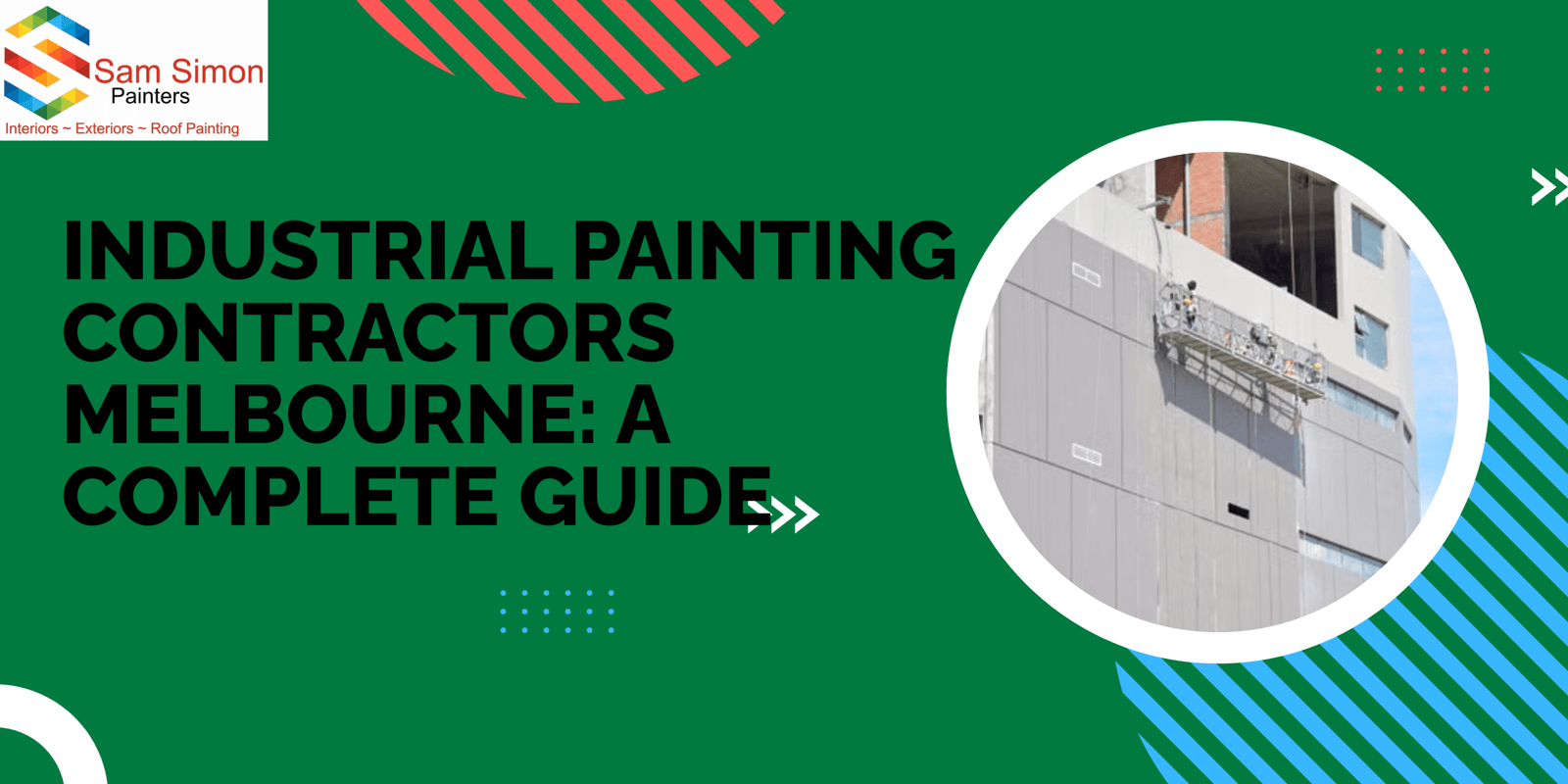
Commercial building painting contractors generally take on bigger jobs than a single shop or office would ever need, covering building exteriors, internal walls, common areas, warehouses, offices, retail spaces and other industrial buildings.
It’s not just about applying paint, either. They’re often responsible for surface repairs, preparation, coating application, and coordinating the whole project so it runs smoothly. Commercial sites frequently need staged work, completed section by section, to keep daily operations from grinding to a halt. In a factory, that might mean timing the work around production schedules so parts of the building stay in use while other sections get painted.
What Determines Commercial Building Painting Cost?
There’s no single fixed price here. Every project comes with its own mix of variables. The main factors usually include:
Total paintable area and building height Current surface condition and how much prep it needs Existing coating type and number of coats required The specific paint or coating specified Access requirements, scaffolding or equipment needed Working hours and general site conditions Any structural repairs and overall project complexity
Because these factors vary so much from site to site, larger projects really do need an in person assessment before you can get a reliable quote. An accurate figure depends on actually seeing the building’s condition, not a description over the phone.
What Is Commercial Wall Painting?
Commercial wall painting is a popular way for businesses to refresh their property without going through a full renovation. It covers warehouses, offices, retail spaces, factories and workshops, both internal and external walls.
A good project usually starts with colour planning that fits the brand or purpose of the space. From there, industrial painting contractors deal with any existing damage, and the finish chosen should reflect how the wall gets used day to day. The right paint always comes down to the surface and the environment surrounding it.
When Should a Business Repaint an Industrial Property?
A few visible signs usually point to it being time: faded coatings, peeling paint, cracking, surface corrosion, stains, or general wear and damage.
Sometimes it’s simply about appearance, an outdated look, especially when refurbishing a property or preparing for a new tenant. Dealing with these issues early, rather than putting it off, usually means less extensive work for industrial painting contractors down the line.
FAQs
What do industrial painting contractors do?
They prepare and paint large scale commercial and industrial buildings such as factories, warehouses and workshops, typically covering walls, ceilings, structural steel and selected equipment surfaces.
How much does commercial building painting cost?
It depends on the paintable area, preparation needed, access requirements, coating type, labour, and site conditions. An on site assessment gives you the most accurate figure.
What’s the difference between industrial and commercial painting?
The two terms overlap a lot in everyday use. Industrial projects generally involve bigger facilities, more specialised surfaces, and more demanding site conditions than a typical commercial job.
How long does industrial painting take?
That comes down to the size of the property, how much preparation is needed, the coating system chosen, access arrangements, and drying time between coats.
What surfaces can industrial painters paint?
Commonly concrete, metal, steel, internal and external walls, ceilings and other suitable surfaces, depending on which coating system is chosen.
How do I choose an industrial painting company?
Look for relevant experience, a detailed written quote, solid preparation standards, proper insurance, clear safety planning, and responsive communication throughout.
Can industrial painting happen while a business is still operating?
Yes, in many cases. Work can often be staged or scheduled around ongoing operations, depending on site conditions and how much access the contractor needs at any given time.
How often should an industrial building be repainted?
There’s no fixed timetable. Weather exposure, surface condition, coating type, and how the building gets used all affect how often it needs repainting.
Final Thoughts
Industrial painting contractors take on projects that need real planning and proper preparation, not just a fresh layer of paint. The coating chosen should always match both the substrate and the environment it has to withstand. Industrial and commercial painting can involve large areas, specialised surfaces, and access challenges a typical residential job simply doesn’t face.
Pricing for this kind of work depends on project specific factors, from total area to access requirements and surface condition. A detailed site assessment gives both sides a clearer scope of work and a more accurate quote. Working with experienced industrial painting contractors makes it easier to plan around ongoing business operations, keeping disruption to a minimum while the job gets done. It also means fewer surprises once work is underway, since preparation and coating decisions are agreed upfront by people who understand industrial painting from start to finish.
Planning an industrial or commercial painting project in Melbourne? Contact Sam Simon Painters to discuss your property, project requirements, and request a quote.