Introduction
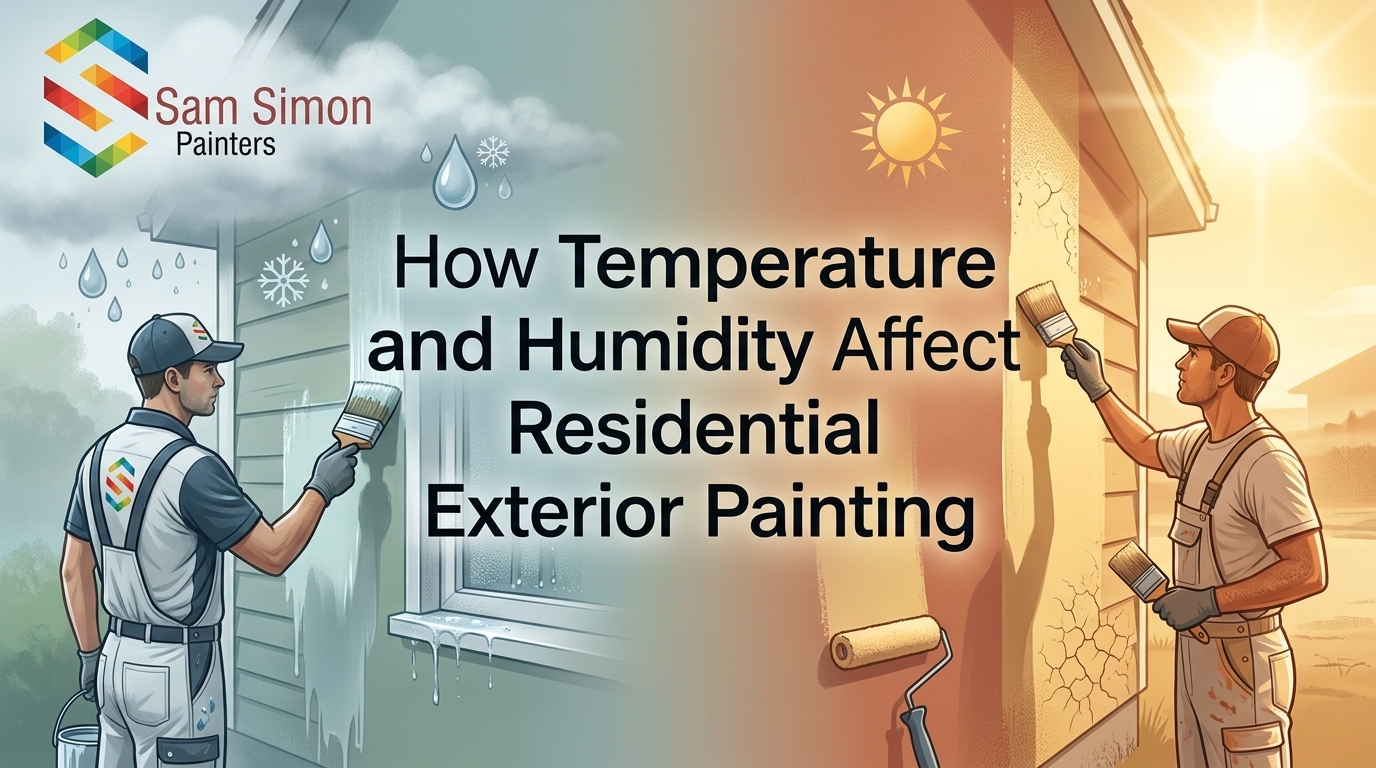
Did you know that if you paint your home’s exterior on the wrong day, you will waste money in as short of time as a few months — it might peel, it might even bubble? Melbourne people trying residential exterior painting often do so when the weather is not ideal and they get a paint job that looks great at first, but quickly deteriorates. Knowing the impact of temperature and humidity on residential exterior painting can help you plan better, make better decisions never to have any of those big surprises head you, and get a long-lasting professional-looking paint job. As with choosing the right paint and the right team, having the right weather is essential.
Melbourne’s climate is unpredictable, with hot summers, wet winters and ever-changing conditions, weather awareness is important when it comes to any residential exterior painting project for the home. A paint job that is applied in the wrong conditions won’t set properly, dry uniformly, or last anywhere near as long as a paint job applied under the proper conditions.
Why Weather Matters in Residential Exterior Painting
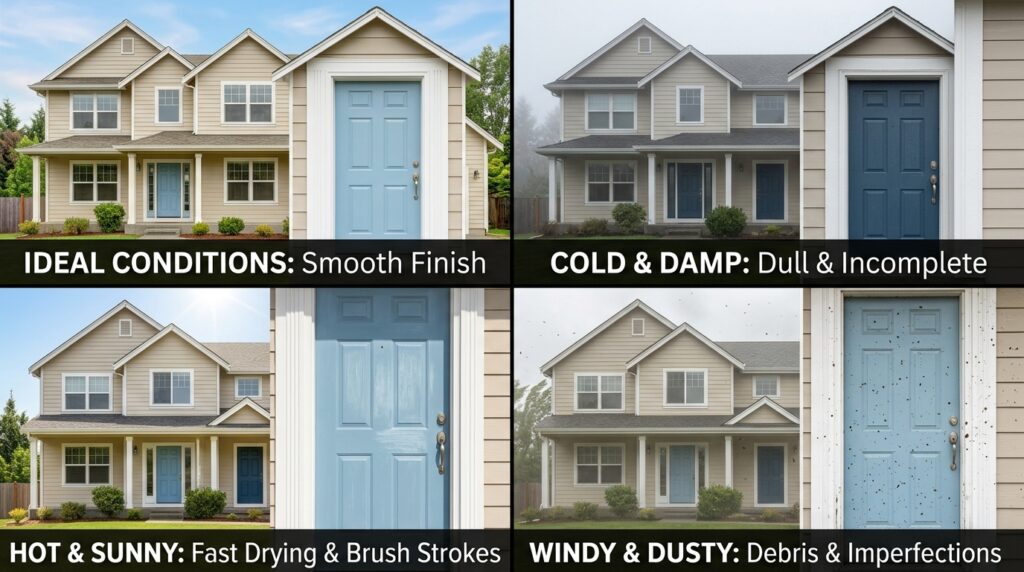
Weather conditions are one of the most important and most neglected factors when it comes to exterior painting for a home, impacting the paint application, drying process, quality of paint, and durability of the exterior paint on every surface. In residential exterior painting projects, poor weather conditions can cause these moisture problems: The moisture becomes trapped underneath paint layers, causing micro-bubbles in the dried paint film; The adhesion of the paint surface fails, which becomes evident weeks later.
Prior to any exterior painting residential surfaces being undertaken in Melbourne, it is essential to closely monitor the daily temperature ranges, humidity and forecast during the process. Sometimes, the inappropriate conditions don’t cause problems right away, but rather at a later stage as peeling, blistering, or mould.
How Temperature Impacts Paint Adhesion and Drying
Temperature conditions will influence the rate of drying, adhesion to surfaces and smoothing of paint on application. At very high temperatures (above 35 degrees), paint skins over prior to the curing of the deeper layers, resulting in a brittle surface that cracks or blisters in a few weeks. Curing is much slower at temperatures below 10 degrees, causing poor adhesion and resulting in a weak and inadequate final coat.
Effect of Humidity on Exterior Paint Quality
Water evaporation from the paint film is slow under high humidity which significantly increases drying times and keeps water vapour underneath the paint film. This causes blistering, peeling and mould to form in exterior residential house painting jobs (in the first year or so). When exterior surfaces are prepared for painting, the relative humidity is between 40 to 70 percent with painting to ensure proper cure and adhesion.
Ideal Weather Conditions for Residential Exterior House Painting
Optimal days for residential exterior house painting in Melbourne are when the weather is moderate (10-30 degrees), low to moderate humidity and dry for the forecast period before painting. Such conditions enable the flow, even drying, and proper curing of paint in order to ensure maximum adhesion and durability. To maximise the value of your investment and increase the lifespan of your exterior finish, it’s important that you plan your painting job with these conditions in mind.
Before any exterior painting project, professional painters keep track of finely detailed forecasts and make adjustments to schedule to account for anticipated wind, rain, humidity, and temperature changes. One of the most significant distinctions between seasoned residential painting crews and untrained operators starting work without considering the environment.
Best Temperature Range for Painting Exterior Walls
Proper drying is recommended to be in the range of 15 to 28 degrees — warm enough for drying but cool enough to avoid skinning out the surfaces before deeper skin is dries. Early morning painting of summer days limits exposure to the sun being at its peak heat during the day, which can lead to drying of the surface and difficulty in finishing the paint. The most favorable conditions for applying the exterior paint will be the mild, stable temperatures that are expected over the next 24 hours with no extreme swings in temperature.
Why Low Humidity Improves Paint Longevity
Low humidity allows moisture to escape from the paint film, and thus produces good molecular bond between paint and prepared surface below. A film that cures in low humidity will have improved flexibility, adhesion and withstand the constant thermal movement caused by seasonal changes in Melbourne. Exterior residential painting projects do best in Melbourne’s spring season or in the mild Fall season when humidity and weather conditions are the lowest.
Common Weather Mistakes in Exterior Painting Residential Projects
The most expensive weather errors made during exterior painting residential projects include failing to factor humidity into the equation, painting when it is predicted to rain and painting without timing changes when it is extremely hot in Melbourne during the summer. These errors can influence adhesion, drying uniformity and long term finish quality in ways that cannot be corrected by stripping and repainting areas affected by these errors. Knowing what these pitfalls are makes it easier for Melbourne homeowners to ask more effective questions as they hire residential exterior painting contractors.
Many homeowners do exterior painting residential jobs because the day appears visually to be good, but without verifying temperature and relative humidity data. Surface conditions can still be damp and slippery even with a clear sky on a sunny Melbourne day due to high levels of humidity from overnight rainfall.
Painting During Rain or High Moisture Conditions
Rain, right after rain or high humidity will keep paint from adhering properly, resulting in a barrier between the paint and the surface and peeling down in months. Overnight dew can result in wet surfaces that are not properly dry enough for reliable adhesion until several hours of dry weather occur, resulting in complete surface evaporation. Never start painting the outside of a house until the exterior has been determined to be dry and stable.
Ignoring Seasonal Changes in Melbourne Weather
- Sudden temperature changes — cause partial drying of the paint films to crack before curing is complete
- Melbourne’s summer storms come on strong in the afternoon hours, and wash down new paint.
- Spring Humidity Surges – With warm days and high humidity from recent rainfall comes the potential for some very high humidity.
- Frost in the mornings during the winter — surfaces that freeze will not stick together until they are warmed up.
Residential Painting in Melbourne – Seasonal Challenges
Melbourne’s four seasons can pose different issues for exterior painting work that homeowners and less-expert contractors may not be familiar with. Melbourne is so well known for its four seasons in a single day that it has become a necessity to be able to plan outdoor works with the exterior of residential painting Melbourne, in order to make the most of the weather.
The ideal Melbourne painting residential results are achieved in the spring and during the mild autumn months when the weather is least unpredictable and fluctuating. Both seasons provide long periods of moderate weather suitable for professional teamwork, neither with the extreme heat and humidity of summer, nor with the cold and moisture of winter.
Summer Heat vs Winter Moisture in Melbourne
UV and afternoon temperatures are very high in Melbourne in summer, with the surface skinning over before the deeper layers cure, resulting in damaged paint. Cold weather, increased rainfall and moisture on the surface during the winter months make for poor adhesion and greatly slow drying times. Both extremes results in the actual condition of being badly suited for residential exterior painting and should be avoided carefully by scheduling the seasons.
Best Season for Residential Exterior Painting in Melbourne
Melbourne’s weather is generally stable with moderate temperatures throughout the year, but spring and mild autumn are always the best times to paint the exterior of your home, as the humidity is low and forecasting windows are predictable. September to November is a good time of the year, especially for springtime conditions, as the days are warm and the risk of extreme weather events to prevent progress is low. If you are looking to repaint your home, it’s ideal to do so during these times of the year because the paint will cure more effectively and look better for longer.
Choosing the Right Residential Exterior Painting Contractors
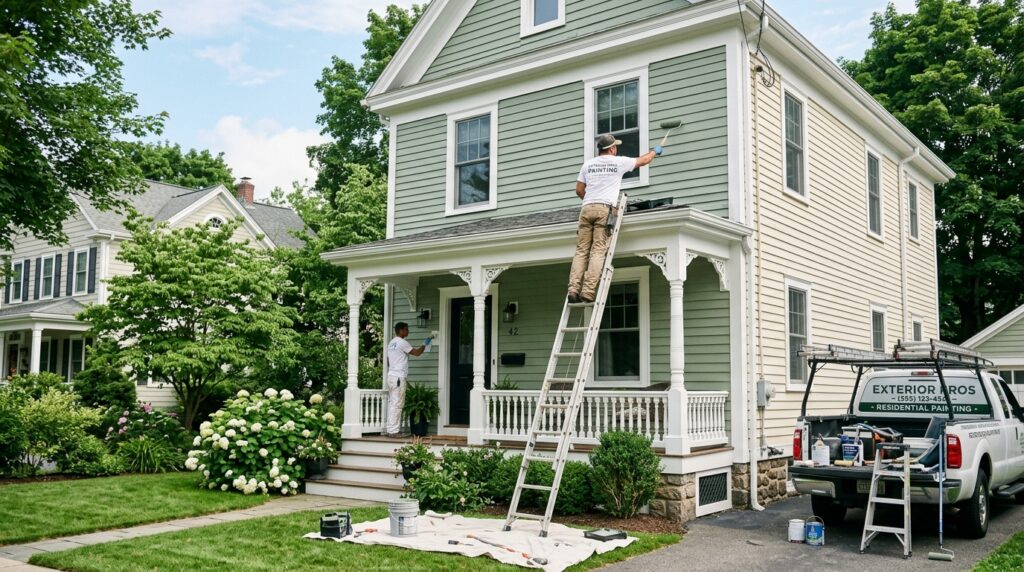
Melbourne’s climate requires knowledge, planning and scheduling skills from residential exterior painting Melbourne contractors that can influence the outcome of the job and its longevity. An inexperienced contractor, who starts work without regard to weather, regularly produces poor results, which are sub-optimal and ultimately cost the homeowner. One of the most crucial decisions any homeowner can make is to hire residential exterior painting companies that have a weather-driven planning process, and have real Melbourne experience.
The best residential exterior painting firms evaluate your house’s orientation, condition of the surfaces, and the microclimate you live in, and then give you a project schedule. UV exposure is much greater in Melbourne on north facing walls due to the lack of a protective barrier; not only for choosing the right paint but also when and how to choose the right time of use.
Why Professional Painters Understand Weather Conditions Better
Expert residential exterior painting companies watch the weather forecast on a daily basis, test surfaces for moisture with moisture meters and plan painting schedules according to the actual conditions that are measured. They know the various properties of different paints under various temperature and humidity conditions and are able to choose the most suitable paint for Melbourne’s seasons. This experience is developed over many years in the real world in the wide variety of suburbs in Melbourne.
Samsimonpainters Weather-Smart Painting Approach in Melbourne
- Pre-job weather assessment — conditions verified as suitable prior to the beginning of painting
- Moisture testing — surfaces are checked for moisture that may be present, but not visible, prior to the application of primer.
- Climate matched product selection — Paints selected for performances in Melbourne’s climate.
- Flexible scheduling – project timeline optimized around the least unfavorable weather window(s)
Residential Painting Cost Factors Affected by Weather
When it comes to budgeting for painting the exterior of the home in Melbourne, many homeowners don’t realize the impact that weather will have on the overall cost of the job. Conditions which cause project delays, such as extended drying periods, or needing to prepare surfaces when rain occurs unexpectedly, all increase total man hours and the residential painting costs.
The cost of the residential painting Melbourne exterior job will also differ according to different seasons, with spring and autumn having slightly higher demands. Hiring a professional is the right option when providing quality results in Melbourne’s changing climate because of the extra planning and monitoring that’s needed to make that work, and the consistently superior value for money it provides over cheap operators who do not bother to assess the weather. A team that thinks in terms of the weather always provides a lower overall residential painting price throughout the lifetime of the paint.
How Weather Delays Increase Painting Costs
When working between coats, if there is unexpected rain, extreme heat, or high humidity during the project, it can cause work to be stopped which means the team has to return on extra days. These delays add to the total labour hours, and for some of them, extra surface preparation may be necessary if conditions have impacted the newly applied primer. When hiring a painting company in Melbourne that has professional residential painting teams, they have clearly defined weather delay policies that help Melbourne homeowners deal with these risks effectively.
Seasonal Pricing Differences in Painting Services
- Summer peak — moderate demand, longer booking lead times.Summer lows — low demand, longer booking lead times.
- Winter was a demand reduction period, with less appropriate painting days available, fewer project options.
- Labour time is added to the drying times due to extended drying waits and early morning starts in summer heat.
- Purchasing outside the peak season = mid-autumn and late winter bookings may be more available
Frequently Asked Questions
What temperature is best for residential exterior painting
Moderate temperatures are ideal for applying and drying.
Explain the impact of humidity on exterior painting residential jobs.
High humidity can slow drying and help to keep the moisture in the paint, making it less durable.
Am I able to paint in my home during the rain?
No, fresh paint can be ruined by rain, and it can cause poor adhesion to the surface underneath.
What will happen when the paint dries quickly in the heat?
It can crack, bubble or form uneven surfaces.
Can you paint your house in the outside during winter?
It is possible but not ideal as a result of cold temperatures and moisture.
How long does it take for paint to dry after it has been applied?
Wait until the surface is dry before painting.
Do professional residential painting companies check weather?
Yes, work is never commenced in the presence of adverse weather conditions without checking the weather conditions first.
which is the best paint for humid conditions?
Exterior paints recommended that are resistant to moisture.
How often should residential exterior painting be done in Melbourne? Typically every 5-10 years, dependent on the level of exposure and quality of the paint.
Does weather affect residential exterior painting cost?
Yes, seasonal demand and delays can cause increased costs.
Final Thoughts
Residential exterior painting takes place within the first season of the year and the two most basic conditions that make the difference between success and failure are temperature and humidity. The three decisions that affect your result and long term residential painting cost the most are the right season, conditions, and residential exterior painting contractors. If you’re considering the painting of your home, professional residential painting teams add weather planning to their jobs, as a project done well in ideal weather conditions will last longer than a job rushed over in less than ideal Melbourne weather.
Contact with credible residential painting Melbourne experts that always take weather resistance into account and plan all projects accordingly. With this information, you should now be ready to plan residential exterior painting around Melbourne’s temperature and humidity and get a paint job that will last for years and look great in every season. Get Your Free Quote from Samsimonpainters Today →