
Introduction
Most Melbourne business owners put repainting off until spring. It feels like the natural moment: the days get longer, the weather lifts and everyone is in a fresh-start mood. The catch is that spring is also when painting crews get busiest, and your own business may be flat out as well.
Winter changes that. Between June and August, a well-planned commercial interior painting project tends to run with fewer scheduling headaches, less pressure on your staff and contractors who are not juggling a dozen outdoor jobs. This guide explains why the cold months suit indoor work, where the real risks sit and what to ask before you book anyone.
Why winter suits indoor work
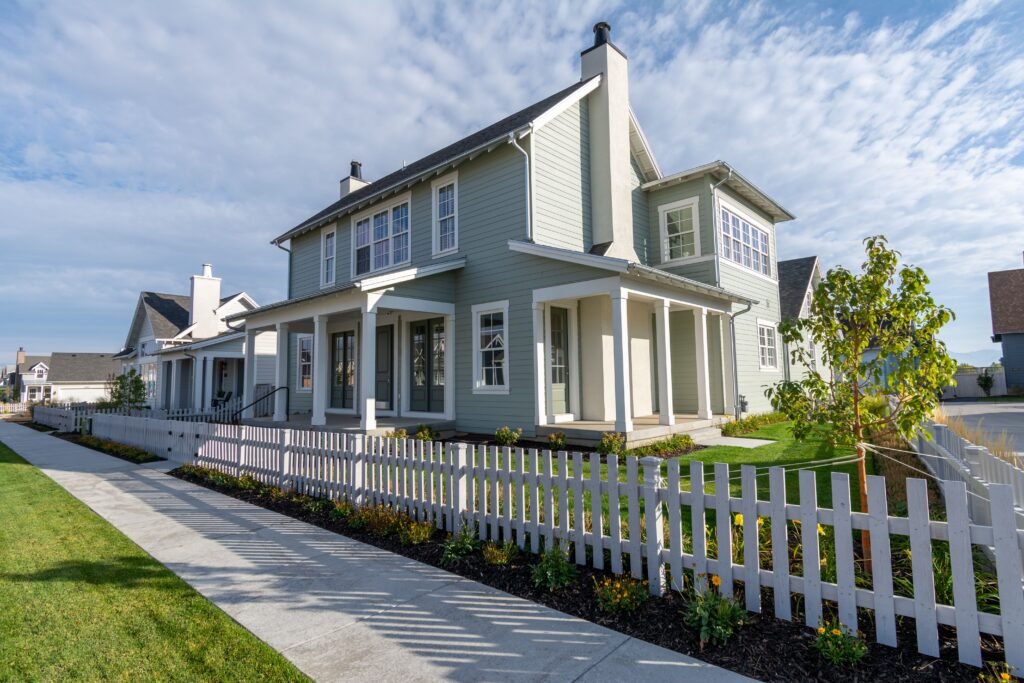
Melbourne’s winter is cool, grey and often damp, which is why outdoor trades slow down. Exterior painting needs dry surfaces and reasonable temperatures, so rain and cold mornings keep interrupting crews working on facades and external walls. Inside a heated building, the weather matters far less. Painters can carry on through a wet week, and the schedule you agree on is much more likely to hold.
Contractors feel this too. When outdoor jobs turn stop-start, crews rely more heavily on indoor work to stay busy. That usually means better access to experienced teams and more choice over start dates. In spring, that flexibility can disappear quickly.
There is a practical benefit for you as well. A crew that is not chasing the weather can commit to a firm start and finish date, which makes it easier to plan around your own deliveries, events and staff leave.
Quieter periods mean less disruption
Disruption is the hidden cost of any repaint. Furniture has to be moved, areas get closed off and staff end up working around dust sheets and wet walls. Winter often gives you more room to manage that.
Some retail and hospitality venues see softer trade once the end-of-financial-year rush is over. School holiday periods can sometimes make staged work easier to arrange, while some offices also operate with fewer staff during winter .Those gaps make staged work, after-hours shifts and weekend sections easier to arrange, so the project can move along without shutting the business down.
Staging is the key. A good crew will split the building into zones, such as one floor, one wing or one department at a time, so staff can keep working in the finished areas while the next section is prepared. Agree the zone order, the hand-back dates and the cleaning routine in writing before the work starts, so everyone knows what to expect each morning.
The 30 June financial year-end sits at the end of the first month of winter. Some businesses plan maintenance spending around that date, so ask your accountant how repainting is treated in your situation. Booking early gives you time to settle scope and timing before the end-of-year scramble.
Indoor conditions: the good and the not-so-good
A heated building is a real advantage. Water-based paints cure best in steady, moderate temperatures, and a space held at a comfortable working temperature gives you that without relying on the weather.Heating can help maintain more stable indoor conditions, which supports more predictable drying.For commercial interior painting, that stability affects adhesion and how evenly the finish sets.
It is not automatic, though. Many commercial buildings turn the heating down overnight and on weekends, which is exactly when painters often work to avoid disturbing staff. Most manufacturers list a minimum application temperature on the product data sheet, commonly around 10°C, and walls that have gone cold overnight can sit below it. A good contractor plans for this by keeping the heating on during the work window, checking surface temperatures and choosing products to suit. If someone tells you winter has no downsides, ask how they deal with cold walls.
Ventilation needs thought as well. With windows shut, air quality matters more in winter. Low-VOC paints, a sensible airflow plan and timing the work so the strongest odours clear before people return all make a noticeable difference in offices, clinics and schools.
What good commercial interior painting services include
A proper job starts well before the first coat goes on. Reliable commercial interior painting services usually cover:
- a site inspection
- a written scope of work
- surface preparation
- the painting itself
- a quality check
- a clean handover
Preparation is the part people underestimate. Filling cracks, sanding, cleaning, spot priming and sealing patched areas decide how the finish looks and how long it lasts. Early failures often trace back to rushed prep rather than the paint itself.
Commercial surfaces also take a beating. Corridors, reception counters, lift lobbies, stairwells and kitchens need durable, washable finishes, and healthcare, food and education spaces can have extra hygiene or emissions requirements. Door frames, columns and feature walls often call for different coatings from the main walls. This is what separates work in a commercial building from repainting a home: scale, durability, access and keeping a business running while the work happens.
How commercial interior painting cost is worked out
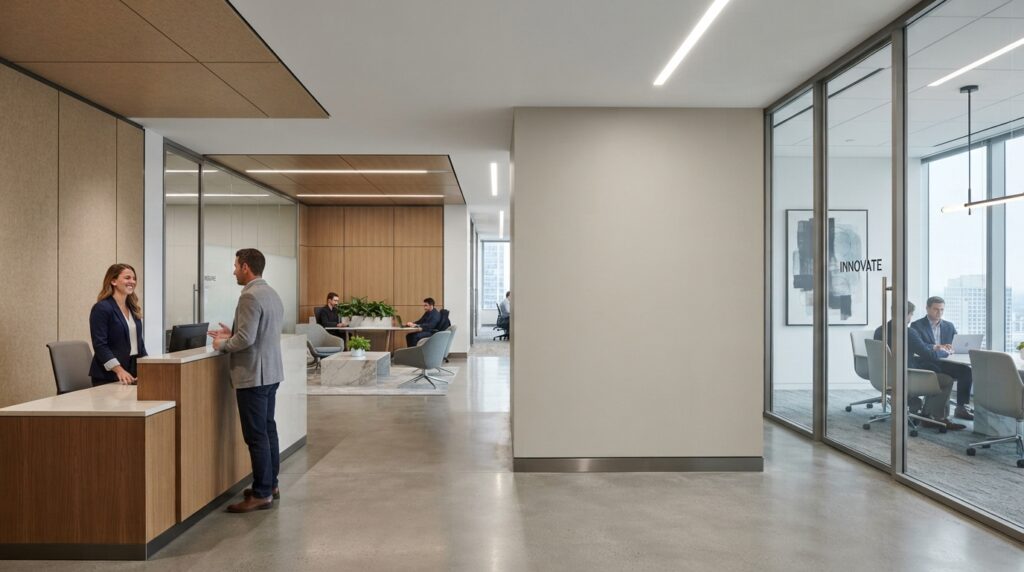
Nobody can give a sensible commercial interior painting cost without seeing the space, so be wary of figures quoted over the phone. The main factors are:
- floor area and ceiling height
- the condition of existing surfaces
- the number of coats required
- the paint specification
- how complicated the access and scheduling are
Working in an occupied building, especially after hours or around sensitive equipment, adds planning time. Bigger jobs often work out more efficient per square metre because setup is spread across more area.
Does winter make it cheaper? Sometimes. When a crew has gaps in its calendar there is more room to negotiate on timing and occasionally on price, but it is never guaranteed and should not be the reason you choose a contractor. Ask for a written quote based on measured areas, compare what is included line by line and be cautious of anything far below the rest. A very low quote may leave out preparation, materials, protection or other important parts of the scope.
Where exterior work fits
Painting a commercial building covers both inside and outside work, and the two are planned very differently. Exterior work includes facades, render, cladding, awnings and external doors. It depends heavily on the weather, which is why many Melbourne owners schedule it for the milder, drier stretches of spring and autumn. Exterior coatings are also chosen for UV and moisture resistance rather than washability.
Interior work does not have that constraint. You can do it all year, and winter is a good time to get it done while exterior work waits for better conditions. If your building needs both, many owners tackle the inside first and book the outside for the milder months so each job gets proper attention. If the exterior is already fading, chalking or peeling, put it on your list too, just not necessarily this winter.
A simple timeline for a winter repaint
Working backwards from the cold months keeps the project calm and predictable.
- March to May: Book a site inspection, agree the scope in writing, approve colours and compare quotes.
- Late May: Confirm the heating plan, access arrangements, security and insurance paperwork. Pay the deposit only once these are settled.
- June to August: Work through the building in stages, finishing one area and handing it back before the next one starts.
- Handover: Walk the site with the project manager, list any touch-ups and agree a date for them to be completed.
If you are reading this after the cold months have passed, the same steps work for a quiet period at any time of year.
What to ask before you book
Ask contractors how they will handle after-hours access, protection for furniture and flooring, noise, odour and signage. Confirm who moves fixtures, how the work will be staged across floors and when each area will be handed back. Check insurance and safety documentation for any crew, especially in multi-tenant buildings where building management may have its own induction rules.
A few more questions are worth asking:
- Who will supervise the crew on site each day?
- How do you protect equipment, carpets and joinery?
- Which paint products will you use, and can I see the data sheets?
- How will you manage temperature on cold mornings?
- What happens if a defect shows up after handover?
Lead time matters too. If you want the work finished before spring trade picks up, start the conversation in autumn so inspections, colour approvals and scope are settled before the cold weather arrives. A site inspection, a written scope and a clear timeline are the three things to insist on before any deposit changes hands.
Frequently asked questions
Is winter a good time for commercial interior painting?
Yes, in most cases. Indoor work is not held up by rain or cold, crews tend to have more availability and quieter trading periods make access easier. The main thing to manage is surface temperature after hours, so confirm the heating plan before work starts.
Is winter painting cheaper?
Not always. Some contractors have more room to negotiate when their calendars are lighter, but pricing still depends on size, preparation, products and access. Compare written quotes on a like-for-like basis.
How long does a commercial interior painting job take?
It depends on the area, the condition of the walls and how much work has to happen after hours. A small suite might take a few days, while a multi-floor fit-out can run for weeks if it is staged. A site inspection gives the only reliable estimate.
Can the work be done after hours or on weekends?
Often, yes. Staged and out-of-hours work is common in occupied buildings. Agree access arrangements, heating and security up front so the crew is not working in cold or locked-off spaces.
What paint suits offices and healthcare spaces?
Low-VOC, washable commercial-grade paints are the usual choice, with extra requirements in clinical or food areas. Check the product data sheet for VOC content, scrub resistance and the recommended application temperature.
When should I start planning a winter repaint?
Autumn is ideal. Starting in March or April leaves time for inspections, quotes, colour approvals and building management sign-off before the cold weather arrives.
Plan your winter repaint
A winter repaint pays off when you plan for easier access, steadier scheduling and less disruption, and when you are honest about the cold-weather details that need attention. From CBD offices to retail premises in the eastern suburbs and warehouses in the west, a well-planned project sets a business up for a stronger spring.
When choosing a provider for commercial interior painting in Melbourne, look for a team that inspects the site, provides a clear written scope and explains how temperature, ventilation and access will be managed. Ready to plan your project? Contact Sam Simon Painters to arrange a site inspection and request a written quote.