
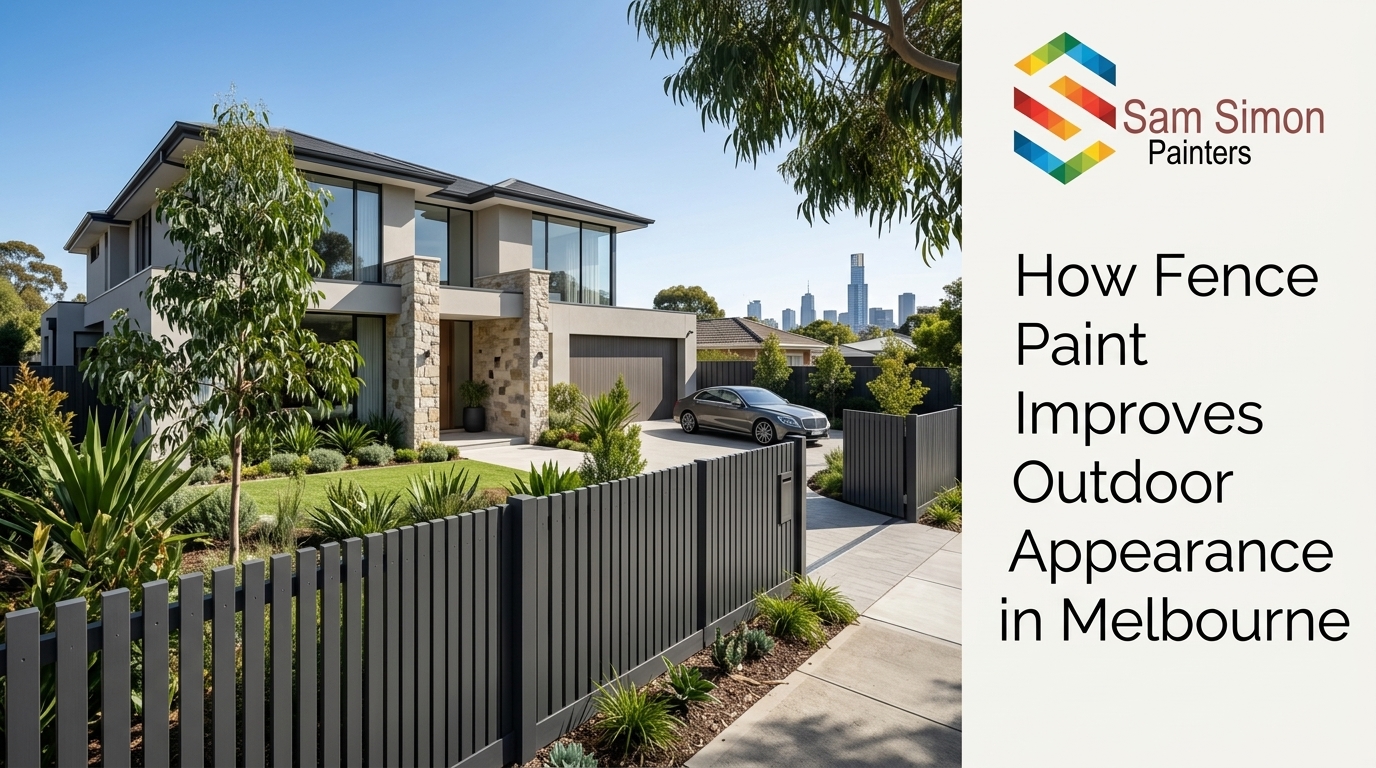
Research has indicated that a well-painted fence can add up to 20% to a home’s value, but most homeowners do not realise this and wait until damage has occurred to paint it. There are many people who are having trouble deciding which fence paint is the most suitable for them in order to protect their fences from harsh weather conditions for a long time. The problem of peeling, fading and needing to repaint is often caused by poor preparation.
This is particularly likely if not using the correct techniques for fencing paint or the correct fence timber colour for outdoor fences. In this guide, Samsimon Painters discusses the use of the right materials and techniques to create a durable, professional finish. Before hiring a professional, you’ll learn some expert hints and tips to help you get the best results each time.
What Is Fence Paint and Why It Matters for Outdoor Spaces
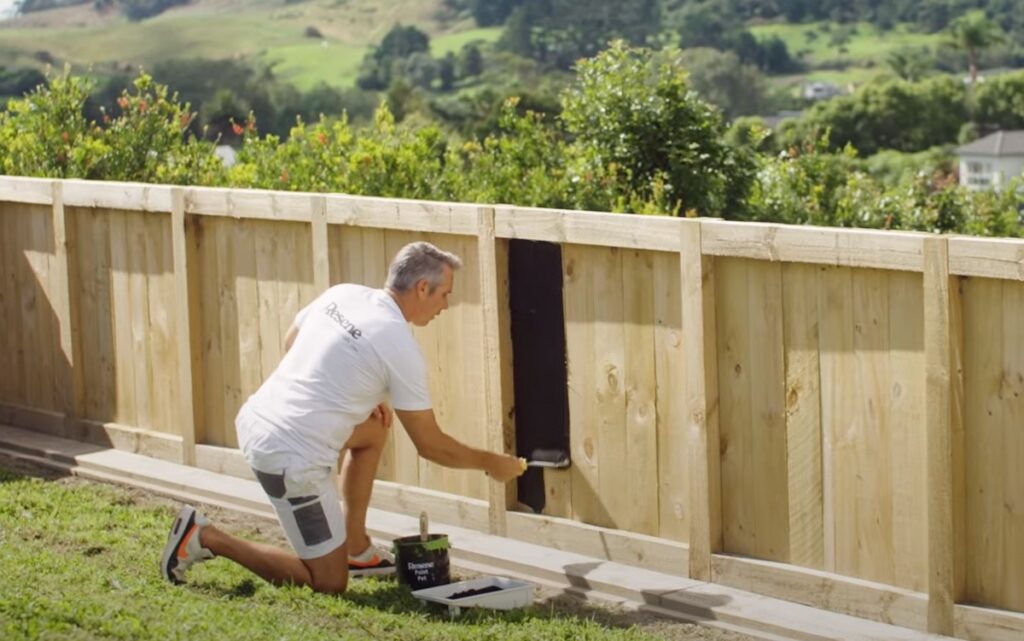
Fence paint is an exterior paint formulated to enhance the appearance and protect outdoor fence materials, such as timber, Colorbond metal, brick and rendered masonry. High-quality fence paint includes UV blockers, waterproofing and stretchable resins that protect it from cracking, peeling or fading too soon when exposed to Melbourne’s extreme weather conditions.
An unpainted or poorly painted fence quickly deteriorates from Melbourne’s strong summer UV exposure and regular rains. Using the right fence paint product and application system shields your fence for years to come, avoids costly repairs, and ensures your property looks great year-round.
Benefits of Using High-Quality Fence Paint
Using high-quality fence paint products provides many benefits compared to low-cost paints or no paint at all:
- Sun protection – stabilisers stop fading and erosion from the Melbourne sun
- Waterproofing – waterproof paint prevents rain from penetrating and causing swelling and rotting
- Extended fence life – coatings prolong lifespan by 5-10 years
- Enhanced curb appeal – new colours enhance landscapes and add property value
- Anti-fungal properties – fungicides stop mould and mildew growth
Common Outdoor Fence Problems Without Paint
Fences without protection decay much more quickly than most Melbourne property owners assume. Wood expands, warps, cracks and rots within a couple of years of losing its protective fence paint layer, making it unsightly and unsafe for homes in every suburb.
Unprotected steel fencing rusts, pits and blisters due to the effects of Melbourne’s salinity, and even more so in the wet, humid months.
How to Paint a Fence – Beginner Guide
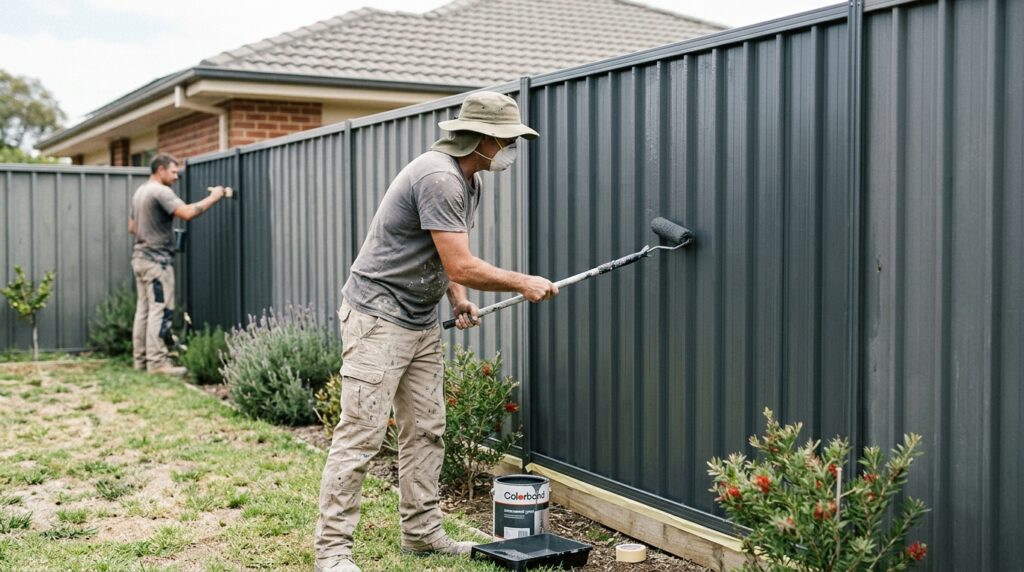
The key to learning how to paint a fence well is knowing that what makes your paint job last is not the paint, but the preparation. The reason why many DIY painting projects don’t last is because homeowners are impatient with cleaning and priming, and apply topcoat over an unstable, unsealed and unclean surface.
Understanding how to paint a fence also involves selecting the right equipment, painting on days with ideal weather conditions and waiting for each coat to dry before applying the next. Melbourne’s climate is variable, so it’s always a good idea to consult a five-day weather forecast before embarking on any outdoor painting project, a step that professional painters always take.
Surface Preparation Before Painting a Fence
Preparation is crucial for any fence paint project – up to 70% of the project’s success depends on it:
- Clear the fence – clear all plants, furniture and impediments from both sides
- Pressure wash – clean all dirt, mould, lichen and flaking paint away
- Sand rough areas – remove raised grain, splinters and edges from timber
- Scrape off damaged paint – scrape all peeling and blistering areas back to solid material
- Fill cracks and holes – use external quality filler for damaged timber or render
Applying Primer and First Coat Correctly
Primer is essential when learning how to paint a fence on bare, repaired, or unpainted sections. Use a good quality exterior primer for the material you’re painting (acrylic wood primer for timber, metal primer for Colorbond, and masonry primer for brick or rendered fences) and wait until it has dried before painting your first coat.
Apply the first coat of fence paint using smooth, overlapping strokes – along the grain if painting timber and overlapping while the paint is still wet if painting Colorbond or timber.
Painting a Fence – Best Techniques for Long-Lasting Results
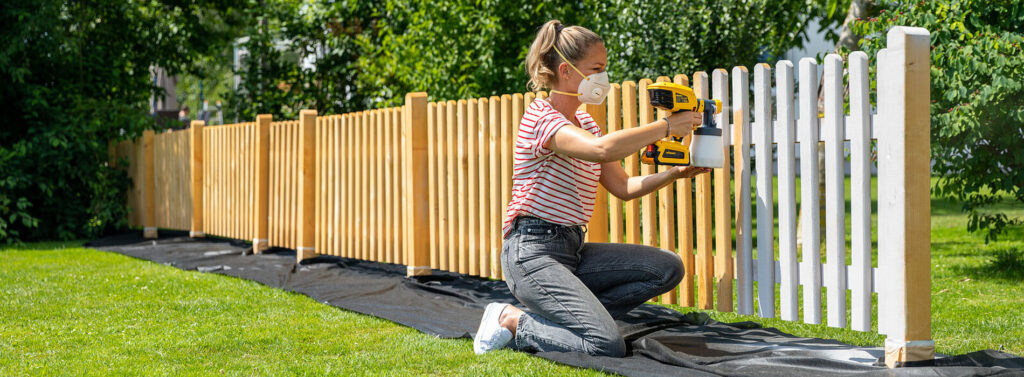
When it comes to painting a fence to a professional standard, it’s not just the products that matter – minor variations in application technique can make a huge difference to the durability and appearance of the finish. Whether you’re applying paint with a brush, roller or spray, even pressure and consistent angle and overlap of each pass is the key to producing a result that lasts 10 years, rather than requiring re-painting every two years.
Choosing the right weather conditions to paint fence is also important – don’t spray on a sunny afternoon, windy day or if rain is due within 24 hours of painting. Overcast days with a morning start work best in Melbourne’s changing weather conditions to ensure paint dries properly without waiting for a surface “skin” to form.
Best Tools for Painting a Fence
Using the right tools will make painting fence quicker, simpler and more professional looking:
- Polyester bristle brush – best for touchups, trims, palings and tight spaces
- Short-nap roller – ideal for flat, broad fence panels and rendered fences
- Airless sprayer – quickest application for long fence lengths and lattices
- Extension pole – prevents fatigue, reaches taller or longer fences
- Droplets and tape – to protect walkways, gardens and walls
Common Mistakes to Avoid While Painting a Fence
The most frequent mistakes made in painting a fence that cause premature failure include omitting primer on bare or repaired sections, applying paint during the hottest part of the day that causes premature skinning, and applying too many coats of paint without waiting for the paint to dry properly.
Painting a fence is always done professionally with multiple coats of paint, with patience and discipline, regardless of the quality of the paint product.
Fence Paint Colours – Choosing the Right Outdoor Style
Fence paint colours play a crucial role in Melbourne outdoor design – the right colour brings your garden together, enhances your home’s façade, and ties together a stylish and impressive design that stands out from the street. Faced with a vast array of paint colours from the nation’s biggest brands, it’s important to narrow down choices according to your home’s architectural style, garden landscape and council regulations to make the decision-making process less overwhelming and secure.
Charcoals, warm whites, soft greys and earthy tones are all the rage in outdoor home design for 2025 – and colour consultation with a reputable fence painter can help select the right colour to add value, curb appeal and energy to your home.
Popular Fence Colours in Melbourne Homes
Dark grey and charcoal – modern, bold and works well with contemporary homes
Off-white and white – timeless, light and suitable for traditional and modern homes
Timber tones – warm, natural and pairs well with gardening
Sage green and olive – earthy tones, increasingly popular in inner Melbourne gardens
Matte black – striking and dramatic, great for boundary definition
How Fence Colour Impacts Property Value
Fence colours play a significant role in your home’s kerb appeal – one of the most critical factors impacting buyer perceptions and valuations in the fiercely competitive Melbourne real estate market.
Residential real estate agents regularly report that properties with tastefully painted and coloured fences receive more interest and initial property offers. Property owners in Melbourne can achieve a higher sale price by hiring an expert decorator for colour advice, and investing in high-quality fence paint products, before putting their property on the market.
Timber Fence Paint – Best Protection for Wooden Fences
Timber fence paint products are designed to penetrate into the wood fibres and prevent moisture, UV damage, and fungal and mould growth which destroy untreated wood exposed to Melbourne’s harsh climate. Unlike other exterior paints, fence paint products include flexible resins that allow them to expand and contract with the wood fence in changing temperatures and humidity
The type of timber fence paint system – penetrating oil, solid colour stain or full acrylic topcoat – chosen is determined by the type of wood, condition and desired appearance. Fence paint professionals consider all these factors when selecting products, ensuring that the paint system selected will provide the optimal protection and aesthetic finish for your fence.
Benefits of Timber Fence Painting
- Water resistance — stops timber swelling, cracking and rotting from water absorption
- Sunlight barrier – prevents bleaching, grey and degradation of timber by UV radiation
- Increased lifetime – painted fences have a lifespan of 15-25 years, compared to 5-8 years
- Mould and mildew resistant – fungicides prevent biological attack in shaded areas
- Retained strength – coating retains structural integrity and prevents wood fibres from breaking down
Maintenance Tips for Painted Timber Fences
To keep a painted timber fence looking good in Melbourne’s weather, it needs regular inspection and touch-up to avoid small paint failures escalating into larger, more extensive repair work in the future.
Most painted timber fences should be repainted every 5-8 years in Melbourne – although fences exposed to the sun and wind (such as those facing north and west) may need repainting every 4-5 years. Annual low-pressure washing with a mild detergent to remove dirt, mould spores and other biological contaminants ensures that each coat of paint will last longer between full repaints.
Painting Colorbond Fence – Modern Metal Fence Protection
Painting Colorbond fence systems requires special care that is different to painting timber and masonry fence – namely, the use of metal-compatible primers and acrylic topcoats formulated for steel surfaces. Although Colorbond steel fencing is delivered with a factory baked-on finish, this coating becomes lighter, chalky and degrades over time – making painting Colorbond fence surfaces a key maintenance activity that many Melbourne homeowners are undertaking on 10 year old or older Colorbond fences.
The key to painting Colorbond fence is surface preparation to remove all chalk, dirt and rust, followed by a metal-specific primer that adheres to the factory coating. This cleaning and priming is essential, otherwise the topcoats will peel off the deteriorated Colorbond surfaces
Why Colorbond Fences Need Painting Maintenance
Colorbond steel fences are extremely robust, but the high UV levels in Melbourne cause the factory finish to fade, chalk and lose colour vibrancy over time. Painted Colorbond fence surfaces are renewed, protected against moisture ingress and rust, and the fence’s lifespan is extended by a decade or more.
Premium fence paint for Colorbond contain heat-reflecting pigments and UV stabilisers that lower surface temperatures, and the cycle of degradation that Melbourne’s weather inflicts on all exposed metal surfaces.
Best Paint Types for Colorbond Fences
- Metal primer – first coat to ensure topcoat adheres to steel substrate
- 100% acrylic exterior topcoat – flexible, UV resistant and all Colorbond colours available
- Reflectant coatings – cool surface on north and west facing panels
- Rust-inhibiting primer – essential for any sections of surface oxidation or rusting
- Two-pack epoxy systems – most durable paint for badly worn-metal surfaces
FAQ
What is fence paint and why is it important?
Fence paint helps preserve fences against the elements, enhancing their look and lifespan.
How do you paint a fence?
Prepare, sand, prime and paint in thin, even coats with adequate drying times.
What type of paint to use on timber fence?
Weather resistant wood or acrylic paints work well on timber fences.
How long does fence painting last in Melbourne?
Between 3-5 years, depending on climate and paint type.
Are spray paint fence techniques suitable for large fences?
Yes, spray painting is great for large fences for an even coat.
What colours should I paint my fence?
Modern home fences can be painted grey, white or natural wood colours.
Should I paint or replace a fence?
Yes, it’s cheaper and can rejuvenate the fence’s look and protection.
Should Colorbond fences be painted?
Yes, regular painting preserves colour and protects from the elements.
What’s the cost of fence painting Melbourne?
Prices depend on fence dimensions, material and wear, but professional painting is a worthwhile investment.
Should I hire professionals for fence painting?
Yes, for quality finish, time and longevity.
Conclusion
Fence paint is an affordable, high-value improvement to Melbourne homes that protects against UV rays and moisture, improves kerb appeal, and adds value to your home. Whether you’re selecting the right paint for timber fence, painting Colorbond fence systems, using spray paint on a fence, or considering fence paint colours to brighten up your home – each step affects the longevity and look of your finish. Melbourne-based fence paint experts deliver trade quality products, preparation and application techniques that do the job better, over the long run, than DIY.
With these tips on how to select and use fence paint for your Melbourne home, you can now upgrade your curb appeal and enhance your investment in years to come. 👉 Receive Your Free Melbourne Fence Painting Quote with Sam Simon Painters